
Table of Contents
Wenn Sie die Kurzfassung der Frage wollen, wie kleine Betriebe hohe Mindestbestellmengen (MOQs) bewältigen können, ohne ihre Bankkonten zu leeren, lautet sie: Hören Sie auf, fertige Farben zu kaufen, und fangen Sie an, ein Mischsystem zu kaufen, konzentrieren Sie sich auf häufig verwendete „Anker“-Tinten und arbeiten Sie direkt mit einem Hersteller zusammen, der sich mit der Logistik kleiner Chargen auskennt.
Dadurch konnten wir beobachten, wie Geschäfte ihre Tintenkosten um 301 % senkten und ihren Lagerbestand an ungenutzten Produkten um fast die Hälfte reduzierten. Sie erhalten dieselbe professionelle Plastisolfarbe wie die großen Hersteller, zahlen aber nur für die tatsächlich verbrauchte Menge.
Wir kennen den Kampf der „kleinen Läden“.
Wir von ECOPRINTINK kennen beide Seiten des Druckprozesses. Wir wissen, wie frustrierend es ist, einen Auftrag über 24 Shirts zu bekommen, der einen ganz bestimmten Farbton wie „Electric Lime“ erfordert. Man geht zum Händler, und der sagt einem, die Mindestbestellmenge sei ein Gallon. Jetzt hat man Tinte im Wert von $80, von der man für den Auftrag aber nur $5 benötigt. Der Rest verstaubt im Regal und zersetzt sich, bis er unbrauchbar ist.
Bei zu hohen Zahlungen geht es nicht nur um den Preis pro Unze; es geht auch um die Opportunitätskosten, wenn Ihr Geld in einem Plastikeimer liegt, anstatt für Marketing oder neue Siebe verwendet zu werden.
1. Die „Ankerfarben“-Strategie: Masse dort einsetzen, wo es darauf ankommt
In jeder Druckerei werden 801 TP3T Ihrer Arbeiten üblicherweise nur mit wenigen Farben durchgeführt. Weiße Tinte kann über 501 TP3T des gesamten Tintenverbrauchs einer Druckerei ausmachen.
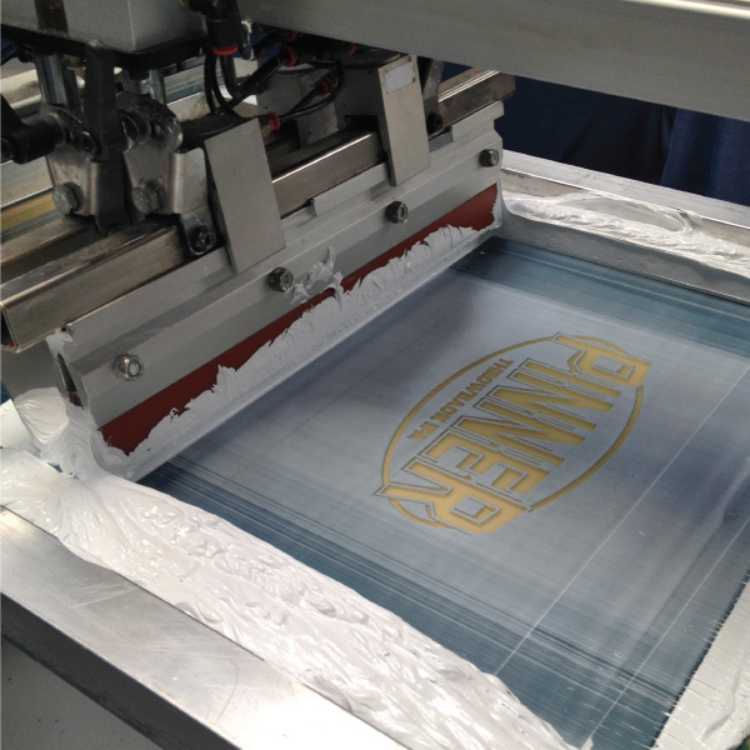
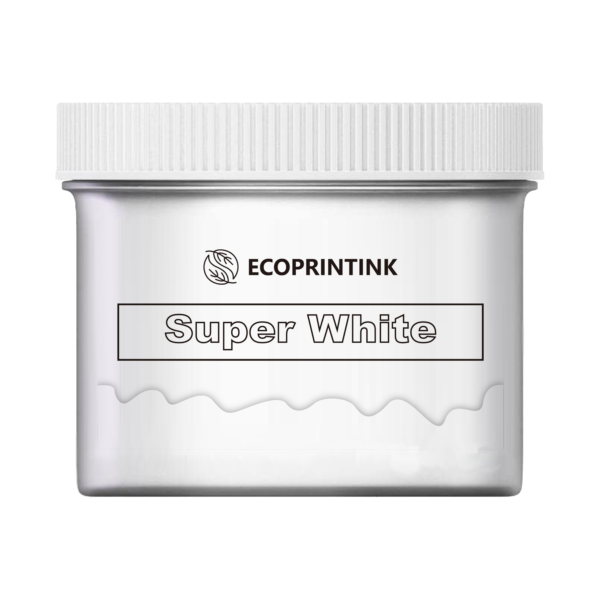
Our Best Practice: Kaufen Sie Ihr white plastisol ink und schwarze Tinte in der größtmöglichen Menge, die Sie sich leisten und lagern können. Das ist Ihr „Anker“. Wenn Sie einen 5-Gallonen-Eimer weiße Tinte von einem Hersteller von SiebdruckfarbenOftmals erreichen Sie damit deren Mindestbestellmenge oder Versandschwelle. Dadurch können Sie kleinere, „risikoreiche“ Farben wie Spezialtinten von Herstellern auf dieselbe Palette packen, ohne zusätzliche Frachtkosten zu zahlen.
| Ink Type | Typische Verwendung % | Kaufstrategie |
| Untergrund Weiß | 50% – 60% | Großpackung (5 Gallonen +) |
| Standard Schwarz | 15% | Gallonen |
| Individuelle Markenfarben | 10% | Mischsystem |
| Spezialität (Gold/Glow) | 5% | Quarts/Proben |
2. Das Mischsystem: Ihr Geheimnis für niedrige Lagerbestände
Wer immer noch alle Pantone-Farben als vorgemischte Gallone kauft, zahlt zu viel. Erfolgreiche Kleinbetriebe nutzen ein Mischsystem aus Basisfarbe und Pigment.
Statt 50 verschiedenen Eimern mit Blau, Rot und Grün empfehlen wir eine hochwertige, ausgewogene Basisfarbe. Wenn ein Kunde einen bestimmten Farbton wünscht, wiegen Sie die Basisfarbe ab und geben die konzentrierten Pigmente hinzu.
- Der Vorteil: Man lagert nur wenige Gallonen Grundierung und kleine Fläschchen mit Pigment.
- Die Mathematik: Ein Gallon individuell gemischter Tinte ist oft 20% günstiger, wenn man sie selbst mischt, als wenn man einen vorgemischten Gallon von einem Händler kauft.
3. Der Versand ist der stille Margenkiller.
Wir haben festgestellt, dass die Versandkosten bei vielen kleinen Läden bis zu 15–201 Tsd. Euro des Rechnungsbetrags ausmachen können. Hier kommt es häufig zu Überzahlungen.
Best Practice: Bestellen Sie niemals nur einen Gallon. Wenn Sie die Fracht- oder Kurierpreise (wie UPS oder DHL) vergleichen, ist das erste Pfund immer am teuersten. Ein zweiter oder dritter Gallon erhöht die Versandkosten in der Regel nur um wenige Dollar. Wir empfehlen unseren Kunden daher, ihren Bedarf zu bündeln. Anstatt auftragsbezogen zu bestellen, sollten Sie Ihren Kalender konsultieren und für den gesamten Monat vorbestellen.
4. Direkte Partnerschaften mit Herstellern
Vertriebshändler bieten einen hervorragenden Service, müssen aber auch Gewinn erzielen. Wenn Sie ecoprintink kaufen plastisol ink Durch den direkten Zugriff von uns wird eine Auszeichnungsebene entfernt.
Wir haben festgestellt, dass viele kleine Läden glauben, sie seien „zu klein“, um mit einem Hersteller zu sprechen. Das ist ein Irrglaube. Hersteller wie wir suchen langfristige Partner. Wir beliefern lieber einen wachsenden Laden, der regelmäßig bestellt, als einen Großkonzern, der einmal im Jahr jeden Cent ausquetscht.
„Das Management Ihrer Lieferkette ist genauso wichtig wie der Druck selbst. Eine Druckerei, die ihr Tintenlager im Griff hat, kann mit 15% höheren Nettogewinnmargen arbeiten als eine, die reaktiv einkauft.“
5. Umgang mit Mindestbestellmengen für Spezialtinten
Spezialfarben wie Gold-Siebdruckfarbe oder reflektierende Plastisolfarbe haben in der Regel höhere Preise und strengere Mindestbestellmengen.
So lässt sich das Problem lösen:
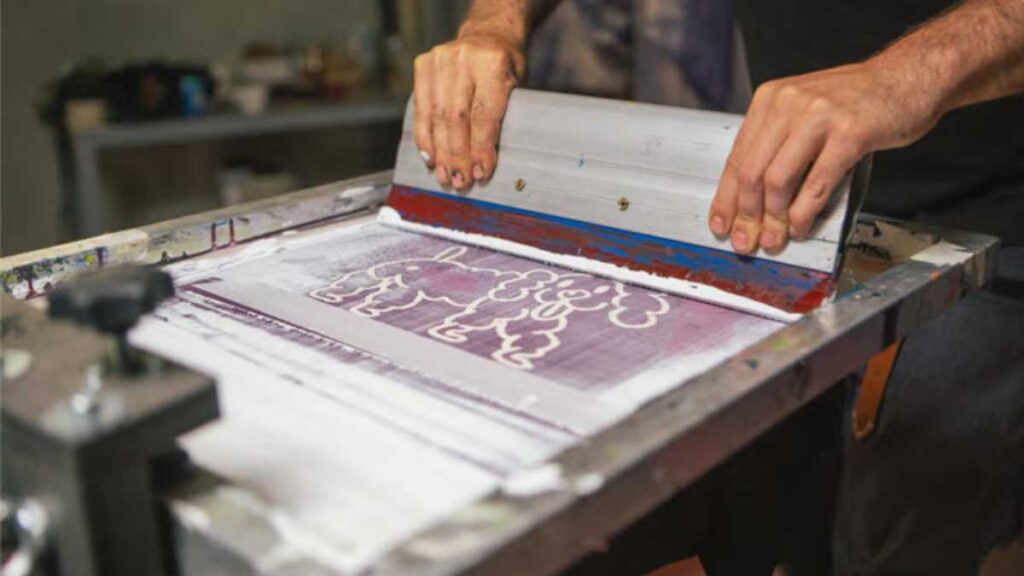
- Steigern Sie Ihren Umsatz mit Ihren aktuellen Jobs: Wenn Sie für einen Kunden einen Gallon (ca. 3,8 Liter) nachleuchtende blaue Plastisolfarbe kaufen müssen, bieten Sie diese Ihren anderen Kunden in derselben Woche gegen eine geringe Gebühr als „Upgrade“ an. So reduzieren Sie Ihren Lagerbestand und decken die Kosten für die Farbe.
- Musterkits: Fragen Sie Ihren Hersteller von Siebdruckfarben nach Testsets. Wir bieten häufig kleinere Mustermengen unserer fluoreszierenden Plastisol-Siebdruckfarbe an, damit Sie den Markt testen können, bevor Sie eine Großbestellung aufgeben.
6. Technische Effizienz: Tinte sparen, Geld sparen
Manchmal passiert die Überbezahlung schon beim Drucken, nicht erst an der Kasse. Ist die Druckfarbe zu dickflüssig (hohe Viskosität), wird mehr Farbe aufgetragen als nötig. Das verschwendet Geld und das Shirt fühlt sich an wie eine kugelsichere Weste.
Best Practice: Verwenden Sie stets eine nicht blockierende Druckfarbe oder einen Verdünner, um einen gleichmäßigen Farbfluss zu gewährleisten. Siebdruckfarbe für Textillösung stellt sicher, dass Sie mit jedem Tropfen die maximale Fläche abdecken.
7. Die Falle der „abgelaufenen Tinte“ vermeiden
Plastisol ist zwar lange haltbar, aber nicht unbegrenzt. Wer eine große Menge kauft, um Geld zu sparen, diese aber nicht innerhalb von 24 Monaten verbraucht, riskiert, dass die Weichmacher wandern und die Tinte dadurch steif wird oder schlecht aushärtet.
Unsere Faustregel: Wenn Sie einen Gallon innerhalb von 12 Monaten nicht verbrauchen können, kaufen Sie ihn nicht in großen Mengen. Die Ersparnis durch den Mengenrabatt geht verloren, wenn Sie 20 Minuten damit verbringen müssen, einen sich entmischten Eimer wieder zu vermischen.
Fallstudie: Der Übergang von der Garage zum Studio
Wir arbeiteten mit einem Geschäft in Ohio zusammen, das alle zwei Wochen eine Gallone weiße Plastisolfarbe bestellte. Die Versandkosten beliefen sich auf $35 pro Gallone ($65).
Wir haben sie auf eine vierteljährliche „Ankerorder“ umgestellt:
- 1 x 5-Gallonen-Eimer weiß.
- 1 x Mischbasis-Set.
- Result: Ihre Versandkosten sanken innerhalb von vier Monaten von $280 auf nur noch $75. Ihre durchschnittlichen Kosten pro Gallone sanken um $22. Mit diesen jährlichen Einsparungen von $1.200 konnten sie ihr neues Belichtungsgerät finanzieren.
Wichtigste Erkenntnisse für einen cleveren Einkauf
- Konsolidieren: Schluss mit der „Ein-Gallonen-Gewohnheit“.
- Mischen: Um den Lagerbestand gering zu halten, verwenden Sie ein Basis- und Pigmentsystem.
- Anker: Kaufen Sie Ihre weiße Tinte in großen Mengen, um die Mindestbestellmengen zu erreichen.
- Direkt: Sprechen Sie mit uns bei ECOPRINTINK über Ihr konkretes monatliches Druckvolumen.
Häufig gestellte Fragen: Tinte kaufen wie ein Profi
Frage 1: Ehrlich gesagt, wie lange kann ich einen Eimer Plastisol stehen lassen, bevor er in den Müll gehört?
Folgendes ist wichtig: Plastisol ist ziemlich robust. Im Gegensatz zu wasserbasierten Farben, die schon bei der kleinsten Berührung austrocknen, hält sich ein verschlossener Eimer Plastisol in der Regel mindestens zwei bis drei Jahre. Ich habe sogar schon fünf Jahre alte Eimer geöffnet, die nach kräftigem Umrühren mit einem Rührgerät noch einwandfrei funktionierten. Der eigentliche Feind ist nicht die Zeit, sondern die Hitze. Lagern Sie Ihre Farbe in der Nähe Ihres Trockners und die Temperatur im Eimer steigt über einige Wochen auf über 32 °C, beginnt die Farbe direkt im Behälter zu gelieren oder auszuhärten. Ist sie erst einmal zu dieser dicken, klumpigen Masse geworden, hilft auch kein Verdünner mehr. Halten Sie die Deckel fest verschlossen, stellen Sie die Eimer nicht auf den heißen Boden, und sie halten länger als die meisten Ihrer Geräte.
Frage 2: Kann ich verschiedene Plastisolmarken mischen, um meine eigene Mindestbestellmenge zu erreichen?
Wir raten davon ab. Verschiedene Hersteller verwenden unterschiedliche Harze und Weichmacher. Das Mischen dieser Stoffe kann zu Aushärtungsproblemen oder „Geisterbildern“ führen. Es ist ratsam, für Ihr Basissystem bei einem einzigen Hersteller von Siebdruckfarben zu bleiben.
Frage 3: Bedeutet „umweltfreundlich“, dass es teurer ist?
Nicht unbedingt. PVC-freie Plastisolfarbe war zwar früher deutlich teurer, doch der Preisunterschied hat sich verringert. Tatsächlich wünschen sich viele anspruchsvolle Kunden ausschließlich umweltfreundliche Siebdruckfarbe, sodass Sie für deren Verwendung sogar einen Aufpreis verlangen können.
Frage 4: Woran erkenne ich, ob ich für Großbestellungen (5 Gallonen) bereit bin?
Wenn Sie jeden Monat die gleiche Farbe bestellen, lohnt es sich. Die Einsparungen beim Stückpreis und den Versandkosten machen es in der Regel zu einer klaren Sache.
Frage 5: Was soll ich tun, wenn meine Tinte im Eimer zu dickflüssig wird?
Nicht wegwerfen! Verwenden Sie einen härtbaren Verdünner. Dieser verdünnt die Tinte, ohne die Härtungseigenschaften zu verändern. So lässt sich Tinte sparen, die sonst verschwendet würde.
 EN
EN  PT
PT  ES
ES  DE
DE  FR
FR  IT
IT  JA
JA  PL
PL