
Table of Contents
Wenn Ihre Drucke reißen oder sich vom Kleidungsstück abwaschen, liegt wahrscheinlich ein Aushärtungsproblem vor. Die kurze Erklärung ist einfach: Ihre Tinte hat die erforderliche Schmelztemperatur nicht in der gesamten Schicht erreicht. ECOPRINTINKWir haben bereits Hunderten von Betrieben geholfen, dieses Problem zu lösen. Die richtige Aushärtung bedeutet null Kundenretouren, deutlich schnellere Produktionszeiten und höhere Gewinne für Ihr Unternehmen.
Wir kennen den Stress, wenn eine Bestellung von 500 T-Shirts zurückkommt, weil sich die Farbe abgelöst hat. Für jeden Produktionsleiter ist das ein Albtraum. Wir haben jahrelang im Labor und in der Produktion gearbeitet, um die genauen Ursachen herauszufinden. screen printing plastisol ink Fehler und wie man sie verhindern kann.
Warum „trocken“ nicht ausreicht
Plastisolfarbe ist im Grunde flüssiger Kunststoff. Anders als wasserbasierte Farben, die durch Verdunstung trocknen, muss Plastisolfarbe mit dem Stoff „verschmelzen“. Hält man die Farbe einige Sekunden lang einem Blitz aus, fühlt sie sich trocken an, ist aber noch nicht ausgehärtet. Harz und Weichmacher müssen eine Temperatur von etwa 160 °C erreichen, um einen festen, haltbaren Film zu bilden.
Wenn nur die oberste Schicht diese Temperatur erreicht, sieht der Druck bis zum ersten Waschen hervorragend aus. Danach bleibt die untere Schicht weich, und das gesamte Kleidungsstück löst sich auf. Wir nennen dies „Unterhärtung“, und es ist die häufigste Ursache für Materialfehler in unserer Branche.
Die drei Hauptursachen, die wir jeden Tag sehen
1. Die Bandgeschwindigkeit-Temperatur-Falle
Wir beobachten häufig, dass Produktionsleiter die Temperatur erhöhen und das Förderband beschleunigen, um einen Liefertermin einzuhalten. Das ist ein sicheres Rezept für eine Katastrophe.
- The Issue: Die Oberfläche der Tinte wird versengt, aber die Hitze hat keine Zeit, bis zum Grund vorzudringen.
- Unsere Lösung: Es ist besser, einen Trockner mit längerer Laufzeit bei moderater Temperatur zu betreiben als einen kurzen Trockner mit hoher Hitze. Ihre Tinte benötigt eine gewisse Einwirkzeit. Der Tintenfilm muss mindestens 15–30 Sekunden lang die Schmelztemperatur erreichen, um eine vollständige Verbindung zu gewährleisten.
2. Das Problem mit weißer Tinte und der Dicke
Nicht alle Tinten sind gleich. Wenn Sie eine dickere Tinte verwenden, ... white plastisol ink Es benötigt wesentlich länger zum Aushärten als eine dünnflüssige schwarze Tinte.
- The Issue: Weiße Tinte ist dicht und reflektiert Infrarotwärme. Bei einem dicken Farbauftrag wirkt sie wie ein Isolator.
- Expertenmeinung: Wir raten unseren Kunden stets, die Bandgeschwindigkeit bei stark weißen Drucken zu reduzieren. Bei Drucken mit hochdichter Plastisolfarbe kann sich die Aushärtezeit verdoppeln.

3. Substrat und Umgebung
Manchmal liegt das Problem nicht an der Tinte oder dem Trockner, sondern am Hemd.
- The Issue: Bei hoher Luftfeuchtigkeit im Lager speichern die Baumwollfasern Feuchtigkeit. Beim Trocknen des Hemdes verdampft die Hitze das Wasser, bevor die Druckfarbe überhaupt erhitzt wird.
- Der Beweis: Ein hoher Feuchtigkeitsgehalt in Textilien kann die effektive Aushärtungstemperatur um bis zu 20-30 Grad senken.
Best Practice: The “Donut” Test
Wir empfehlen, einmal wöchentlich eine Temperatursonde (ein Thermoelement) zu verwenden. Tauchen Sie die Sonde in die Tinte und führen Sie das Gerät durch den Trockner. Die Sonde liefert Ihnen eine digitale Temperaturkarte. Erreicht die Sonde nicht 160 °C (320 °F) und hält diese Temperatur nicht mindestens 15 Sekunden lang, müssen Sie die Bandgeschwindigkeit reduzieren.
Aushärtungsdaten, die Sie kennen müssen
| Ink Type | Empfohlene Fusionstemperatur | Häufige Fehlerursache |
| Standard Plastisol | 320°F (160°C) | Zu hohe Riemengeschwindigkeit |
| PVC-freie Plastisolfarbe | 280°F – 300°F | Schwankende Trocknerwärme |
| Hersteller von Spezialtinten (Leucht-/Metallic-Tinten) | 320°F | Reflektierte Infrarotwärme |
Wie man Heilungsprobleme endgültig löst
Wir haben eine Schritt-für-Schritt-Checkliste entwickelt, um unseren B2B-Partnern zu helfen, Fehler bei der Fehlerbehebung zu vermeiden.
Schritt 1: Überprüfen Sie den Zustand Ihres Trockners
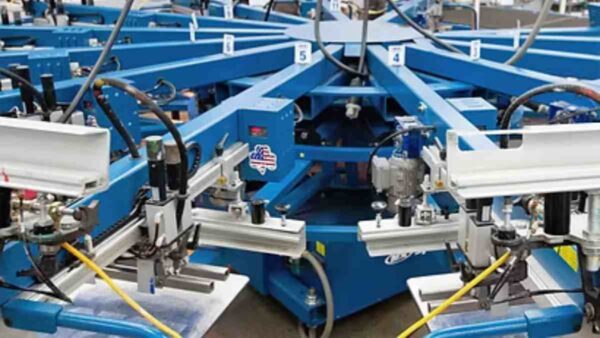
Verlassen Sie sich nicht auf die Digitalanzeige Ihres Trockners. Diese Sensoren messen die Lufttemperatur, nicht die Tintentemperatur. Wir verwenden Laser-Thermometer für eine schnelle Überprüfung, aber nur ein Ringfühler gewährleistet absolute Sicherheit. Sind Ihre Heizelemente alt, können sie „kalte Stellen“ aufweisen, die dazu führen, dass die Hälfte Ihrer Shirts nicht richtig fixiert wird.
Schritt 2: Verwalten Sie Ihren Tintenfilm
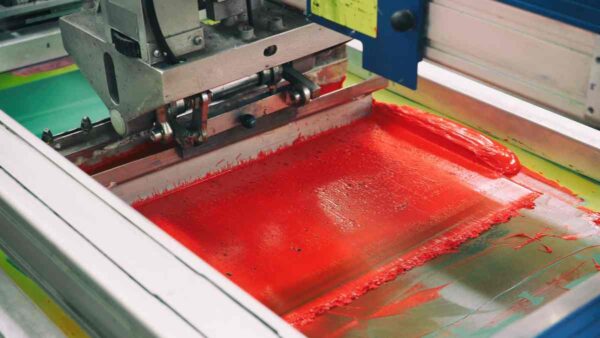
Wenn Sie auf dunklem Polyester drucken, verwenden Sie wahrscheinlich Anti-Migrations-Plastisolfarbe. Diese Farben sind zwar so konzipiert, dass sie Farbstoffe blockieren, aber sie sind sehr dickflüssig. Wir empfehlen, ein feineres Sieb mit höherer Maschenweite zu verwenden, um den Farbfilm dünner zu halten. Dünnere Filme härten schneller und gleichmäßiger aus.
Schritt 3: Das „Dehnen und Waschen“-Protokoll
Kein Auftrag verlässt unser Werk ohne einen Belastungstest.
- Warten Sie, bis das Hemd vollständig abgekühlt ist.
- Dehnen Sie den Ausdruck um etwa 50%.
- Wenn es reißt, ist die Tinte nicht ausreichend ausgehärtet.
- Wenn es sich dehnt und wieder zurückspringt, ist es wahrscheinlich in Ordnung.
Der Waschtest ist jedoch der einzig wirkliche Beweis. Wir haben eine Waschmaschine im Geschäft und waschen Proben im Intensivwaschgang.
Schritt 4: Bessere Chemie nutzen
Minderwertige Tinten weisen uneinheitliche Harzpartikelgrößen auf. Das bedeutet, dass manche Teile der Tinte bei 150 °C schmelzen, während andere 170 °C benötigen. Wir von ECOPRINTINK bieten Ihnen: Siebdruckfarbenlösungen die mikronisierte Harze verwenden. Dadurch wird sichergestellt, dass jedes einzelne Molekül gleichzeitig verschmilzt und ein deutlich „toleranteres“ Aushärtungsfenster entsteht.
„Wir sind auf die Niedrigtemperatur-Serie von ECOPRINTINK umgestiegen, und unsere Energiekosten sanken um 151 TP3T, weil wir unsere Trockner bei niedrigeren Temperaturen betreiben konnten, ohne Qualitätseinbußen hinnehmen zu müssen.“ Produktionsleiter, Gruppe für Bekleidung in großen Stückzahlen.
Umgang mit Spezialjobs
Wenn Sie verwenden specialty ink manufacturer Bei Produkten wie Puff- oder Reflexionstinte gelten andere Regeln. Puff-Tinte dehnt sich bei Erreichen einer bestimmten Temperatur aus. Wird sie zu lange ausgehärtet, fällt sie zusammen und wirkt flach. Wird sie nicht ausreichend ausgehärtet, fühlt sie sich matschig an und blättert ab.
Für diese kniffligen Aufgaben empfehlen wir eine längere Einwirkzeit. Das bedeutet, die Hitze etwas zu reduzieren, das Hemd aber länger im Tunnel zu lassen. So hat das Aufhellungsmittel Zeit zu reagieren, ohne die Oberfläche zu verbrennen.
Unser abschließender Rat für Führungskräfte
Produktionsgeschwindigkeit ist wichtig, aber Qualität ist entscheidend. Falls Sie ständig Probleme mit der Aushärtung haben, empfehlen wir Ihnen, die Höhe Ihres Trockners zu überprüfen. Manchmal sind die Heizplatten zu weit vom Förderband entfernt. Durch eine Verringerung des Abstands (ca. 5–10 cm) lässt sich die Wärmeübertragung deutlich verbessern.
Achten Sie außerdem auf ausreichende Belüftung. Wenn Rauch und Dämpfe im Trockner verbleiben, bilden sie eine Art „Decke“, die verhindert, dass die Hitze die Tinte erreicht. Ein sauberer Trockner trocknet schnell.
Häufig gestellte Fragen: Was Produktionsleiter uns fragen
Frage 1: Warum fühlt sich meine Tinte nach dem Aushärten immer noch klebrig an?
Das bedeutet in der Regel, dass die Tinte überhärtet ist oder zu viel Hitze verwendet wurde. Wenn der Weichmacher „kocht“, hinterlässt er einen klebrigen Rückstand. Versuchen Sie, die Temperatur zu senken und die Trocknungszeit zu verlängern.
Frage 2: Kann ich ein Blitzhärtungsgerät verwenden, um Hemden vollständig auszuhärten?
Wir raten von der Verwendung in der Produktion ab. Die Blitzgeräte arbeiten ungleichmäßig. Es entstehen mit hoher Wahrscheinlichkeit Stellen, an denen die Tinte nicht vollständig aushärtet, was zu Auswaschungen führt.
Frage 3: Beeinflusst die Farbe des Kleidungsstücks die Aushärtung?
Ja. Schwarze Shirts absorbieren Wärme und härten schneller aus. Weiße oder neonfarbene Shirts reflektieren Wärme und brauchen länger. Testen Sie immer, wenn Sie die Farbe Ihres Kleidungsstücks wechseln.
Frage 4: Woran merke ich, ob ich zu lange aushärte?
Wenn der Stoff gelb wird (Versengen) oder die Tinte sehr spröde wird und leicht abblättert, ist die Aushärtung zu lang. Dies kann auch zu Farbstoffwanderung bei Polyester führen.
Frage 5: Gibt es eine Tinte, die bei niedrigeren Temperaturen aushärtet?
Ja. Unsere Formeln mit geringem Ausbluten und niedriger Aushärtungstemperatur sind so konzipiert, dass sie bei 132–138 °C verschmelzen. Das ist ideal für empfindliche synthetische Stoffe und spart Energie.

 EN
EN  PT
PT  ES
ES  DE
DE  FR
FR  IT
IT  JA
JA  PL
PL