
Índice
Se você for comprar tinta plastisol a granel, não comece pensando em "qual é o balde mais barato?". Comece pensando em: qual tinta nos ajuda a imprimir peças de roupa resistentes, reduzir rejeições, passar nos testes de lavagem e proteger nossa margem de lucro?
Essa é a verdadeira resposta.
Em 2026, os preços de fornecedores públicos mostram que a tinta plastisol branca padrão pode custar cerca de $128,50 por galão ou $510,50 por balde de 5 galões, de acordo com a Wilflex. Tintas especiais custam muito mais. A tinta plastisol refletiva listada pela Anthem Printing custa cerca de $314,99 por galão e cerca de $1.299,99 a $1.324,99 por balde de 5 galões.
Sim, o preço importa. Mas na produção real de vestuário, o menor preço da tinta ainda pode resultar no maior custo por unidade.
Na ECOPRINTINK, analisamos tinta plastisol Como ferramenta de produção, uma boa tinta não fica simplesmente parada em um balde. Ela ajuda a sua impressora a funcionar melhor, mantém as cores estáveis, cura corretamente e garante ao seu cliente uma peça de roupa que ele pode lavar sem preocupações.
Por que o preço da tinta plastisol a granel é importante em 2026
O mercado de impressão de vestuário ainda apresenta forte demanda. A Future Market Insights, divulgada pela PR Newswire, projeta que o mercado de impressão de camisetas personalizadas crescerá de US$ 5,1 bilhões em 2026 para US$ 12,4 bilhões em 2036, com uma taxa de crescimento anual composta (CAGR) de 9,31%.
A serigrafia também continua sendo um importante método de produção. A Coherent Market Insights estima que a serigrafia deterá 52,81 trilhões de dólares do mercado de impressão de camisetas personalizadas em 2026.
Isso explica por que fábricas de vestuário, fornecedores de merchandising, fabricantes de uniformes, marcas de roupas esportivas e empresas de produtos promocionais ainda se importam com a tinta plastisol. Ela funciona bem para grandes tiragens. Proporciona cores vibrantes. Suporta trabalhos repetidos. Além disso, oferece aos fabricantes maior controle quando o volume de pedidos aumenta.
No entanto, à medida que a produção aumenta, pequenos problemas com a tinta tornam-se rapidamente dispendiosos.
Uma base branca que precisa de uma passada extra na impressora atrasa o processo. Uma estampa em poliéster que desbota após a cura pode arruinar um lote inteiro. Uma estampa que racha depois da lavagem pode se transformar em uma reclamação do cliente. Ninguém quer receber essa ligação.
Por isso, sempre dizemos aos compradores B2B: comparem o custo por impressão de qualidade, e não apenas o custo por galão.
Panorama público dos preços da tinta plastisol a granel
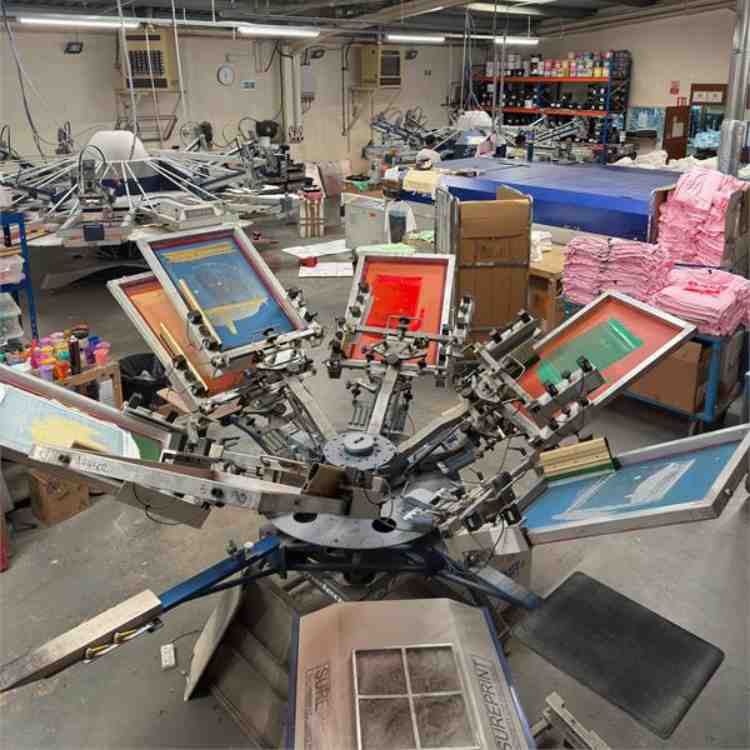
Aqui está uma visão geral simplificada dos preços reais praticados pelo público, com base nas páginas analisadas durante a pesquisa.
| tipo de tinta | exemplo público | tamanho | preço listado | O que isso significa para os compradores? |
|---|---|---|---|---|
| plastisol branco padrão | Wilflex Epic Quick White | 1 galão | $128.50 | Referência útil para tinta branca premium |
| plastisol branco padrão | Wilflex Epic Quick White | 5 galões | $510.50 | O balde a granel reduz o custo por galão. |
| plastisol refletor | Tinta refletora Allureglow USA | 1 galão | $314.99 | Os efeitos especiais custam muito mais |
| plastisol refletor | Tinta refletora Allureglow USA | 5 galões | $1,299.99-$1,324.99 | Pedidos especiais em grande quantidade exigem planejamento. |
A tabela mostra algo simples. Plastisol padrão e plastisol especial não devem ser comparados em termos de preço. Se você estampa camisetas básicas de algodão, suas necessidades são de um tipo. Se você estampa roupas de segurança, efeitos especiais ou produtos premium, seu orçamento para tinta muda.
O que influencia o preço da tinta plastisol?
Formulação
A composição química da tinta altera o preço.
Tintas plastisol padrão, tintas plastisol de baixa cura, tintas com baixa transferência de cor, tintas sem ftalatos, alternativas sem PVC e tintas especiais têm aplicações diferentes. Uma camiseta básica de algodão não precisa da mesma tinta que uma roupa esportiva de poliéster. Uma estampa puff para moda não usa a mesma fórmula que uma base branca.
Para peças de vestuário sensíveis ao calor, a tinta de baixa temperatura de cura pode ser uma boa opção. A tinta branca da FN-INK indica uma temperatura de cura baixa de 260°F (aproximadamente 127°C).
A Avient/Wilflex também lista diferentes faixas de cura em seu guia de 2026, com alguns produtos curando de 250°F a 320°F, dependendo do sistema de tinta e do caso de uso.
O tempo de cura é crucial. Se a configuração da sua secadora, o tecido e a tinta não forem compatíveis, você terá dificuldades o dia todo para concluir o trabalho.
Tipo de tecido
O tecido influencia mais do que muitos compradores imaginam.
O algodão geralmente imprime bem. O poliéster pode causar migração de corantes. O náilon pode exigir cuidados especiais. As misturas de algodão e poliéster ficam em um meio-termo, o que parece fácil até a peça começar a soltar tinta após o aquecimento.
Antes de cotarmos ou recomendarmos tinta, precisamos conhecer o tecido. É por isso que nosso tinta serigráfica para solução em tecido Concentra-se primeiro na peça de roupa.
Se você estampa camisetas de poliéster, roupas de trabalho ou vestuário de alta performance, pode precisar de tinta com baixa transferência de cor ou antimigração. O custo inicial pode ser maior, mas evitar a migração da tinta pode salvar o pedido.
Opacidade
Tinta branca é algo muito importante.
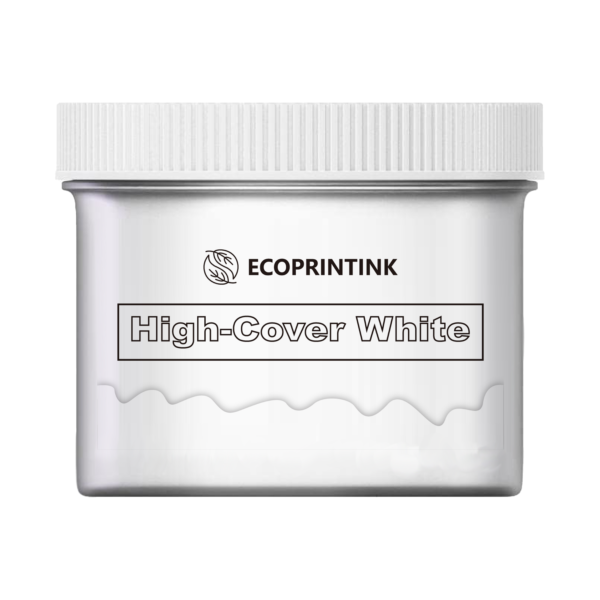
Em peças de roupa escuras, o plastisol branco costuma funcionar como base. Se o branco parecer fraco, as cores de cima não se destacarão. Se a tinta precisar de mais passadas, a impressora ficará mais lenta. Se a camada de tinta ficar muito espessa, o toque do tecido ficará comprometido.
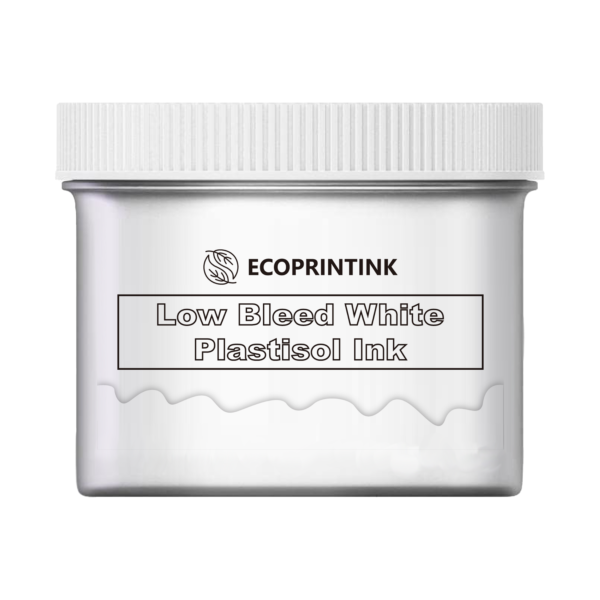
Por esse motivo, os compradores não devem tratar toda tinta branca como igual. Uma tinta forte tinta plastisol branca Pode ajudar a reduzir passagens extras e manter as tarefas com roupas escuras mais limpas.
Efeitos especiais
Tintas especiais custam mais porque oferecem mais funcionalidades.
Tintas refletivas, puff, que brilham no escuro, com glitter, metalizadas, flocadas, fluorescentes e de alta densidade criam efeitos que a tinta padrão não consegue. Elas também atendem a diferentes mercados. Pense em equipamentos de segurança, roupas casuais, uniformes esportivos, produtos promocionais para eventos e vestuário promocional personalizado.
Os preços divulgados publicamente pela Anthem Printing mostram que a tinta plastisol refletiva tem preços muito mais altos do que os exemplos de tinta branca padrão.
Isso não significa que a tinta especial seja "cara demais". Significa que você deve usá-la onde o valor da peça de roupa justifique o efeito. Por exemplo, a tinta plastisol refletiva faz mais sentido em roupas de segurança ou produtos premium do que em camisetas promocionais de baixo custo.
O custo real é o custo por unidade impressa de qualidade.
O preço por balde fornece um número. O preço de produção fornece a verdade.
Eis como analisamos a situação quando conversamos com fabricantes de vestuário.
| fator de custo | Por que isso importa |
|---|---|
| preço da tinta | seu custo inicial de material |
| cobertura | Quantas impressões você consegue com a tinta? |
| opacidade | Quantas braçadas você precisa? |
| tempo de flash | quão rápido a imprensa pode se mover |
| janela de cura | se a tinta seca com segurança |
| taxa de rejeição | Impressões ruins reduzem a margem. |
| resultado da lavagem | seu cliente vê isso primeiro |
O plastisol com cura incompleta pode descascar, rachar, soltar-se com a lavagem ou apresentar imperfeições. Recomenda-se verificar a temperatura da secadora, a velocidade da esteira e realizar testes de lavagem.
Aqui está um exemplo simples de fábrica.
Você compra tinta mais barata para um pedido de moletons de poliéster. No papel, você economiza dinheiro. Durante a produção, o corante vermelho da peça começa a migrar para a estampa branca. Sua equipe diminui a velocidade da secadora, ajusta a pré-exposição, realiza testes e ainda assim descarta parte do lote. Agora, a tinta "barata" custou tempo, mão de obra, peças de roupa e confiança.
É esse tipo de coisa que tentamos evitar.
Boa prática: compare a cor da tinta com a do tecido antes de comparar preços.
Se você pedir apenas uma lista de preços, receberá números. Se pedir a tinta certa, obterá um resultado de produção melhor.
Antes de comparar fornecedores, anote:
- tecido de vestuário
- cor da peça
- impressão colorida
- quantidade do pedido
- tipo de secador
- temperatura alvo de cura
- requisito do teste de lavagem
- sensação tátil da mão no alvo
- efeito de impressão
O guia de produtos separa as tintas por substrato, faixa de malha, dados de cura e desempenho. Isso reforça a mesma ideia: a escolha da tinta começa com o trabalho, não com o balde.
Para compradores em grande quantidade, nossa tinta plastisol para serigrafia é um ponto de partida melhor do que um pedido de cor aleatória. Ela ajuda você a pensar na aplicação, no tecido e no resultado.
Boa prática: teste antes de expandir.
Parece básico, mas economiza dinheiro de verdade.
Antes de fazer um pedido grande, faça um pequeno teste na peça final. Não teste apenas em um retalho de algodão limpo se o pedido final for de tecido de poliéster. Isso é como testar um guarda-chuva na sua sala de estar. Não vai te dizer quase nada.
Um bom teste deve incluir:
| test | o que você aprende |
|---|---|
| teste de impressão | se a tinta flui bem na impressora |
| verificação de opacidade | se a cor cobre a peça de roupa |
| verificação rápida | se a velocidade de produção parece realista |
| verificação de cura | se a impressão atingir a cura correta |
| teste de elasticidade | se a impressão racha sob pressão |
| teste de lavagem | se a impressão resiste ao uso real |
Se a impressão passar nessas verificações, então a compra em grande quantidade faz sentido. Se falhar, você ainda terá tempo para fazer ajustes.
Boa prática: criar um scorecard de fornecedores
Um fornecedor deve oferecer mais do que apenas um preço.
Ao comparar fornecedores de tinta plastisol, utilize uma tabela de pontuação simples.
| item do placar | O que perguntar |
|---|---|
| adequação do produto | Essa tinta combina com o nosso tecido? |
| dados técnicos | Podemos rever as orientações sobre cura e uso? |
| estabilidade do lote | O fornecedor aceita encomendas repetidas? |
| suporte de cores | Eles podem ajudar com cores padrão e personalizadas? |
| gama especializada | Eles podem oferecer suporte a efeitos premium? |
| Serviço B2B | Eles podem ajudar antes do início da produção? |
| suporte por atacado | Eles conseguem lidar com pedidos em grande quantidade? |
Isso é importante para as fábricas. Você não quer um fornecedor que desapareça depois da emissão da fatura. Você quer um parceiro que ajude a resolver problemas antes que eles se transformem em devoluções.
É por isso que muitos compradores procuram a ECOPRINTINK como uma opção confiável. plastisol ink supplier e não apenas um vendedor de produtos.
Como os fabricantes de vestuário devem começar
Se você é iniciante em compras em grande quantidade, mantenha o processo simples.
Primeiro, escolha a peça de roupa. Depois, escolha a tinta.
Para camisetas de algodão, o plastisol padrão pode funcionar bem. Para roupas esportivas de poliéster, procure opções antimigração ou com baixa transferência de cor. Para peças escuras, priorize a opacidade e o desempenho da base. Para roupas de moda ou de segurança, considere tintas especiais.
Aqui está um guia rápido.
| sua necessidade de produção | melhor direção da tinta |
|---|---|
| camisetas básicas de algodão | tinta plastisol padrão |
| peças escuras | tinta branca de alta opacidade |
| roupas esportivas de poliéster | tinta de baixa dispersão ou antimigração |
| tecido sensível ao calor | tinta plastisol de baixa cura |
| produtos premium | efeito puff, brilho, glitter, foil ou tinta de alta densidade |
| vestuário de segurança | reflective plastisol ink |
Se sua equipe busca um ponto de partida, nossas soluções de tinta para serigrafia podem ajudar a conectar a escolha da tinta com a peça de roupa, o efeito da impressão e a configuração da produção.
Para equipes de compras que já conhecem seu volume, a tinta plastisol no atacado é a opção ideal para consultas sobre grandes quantidades.
Por que a ECOPRINTINK funciona para compradores B2B
A ECOPRINTINK se concentra nas necessidades de impressão de vestuário B2B. Priorizamos a produção estável, a fidelização de clientes e a praticidade para uso em fábricas.
Nossos clientes geralmente desejam:
- cor consistente
- fornecimento confiável em grandes quantidades
- forte opacidade
- desempenho de prensa suave
- soluções com tecido combinado
- opções de tinta especiais
- apoio antes da produção em massa
É por isso que não gostamos de soluções genéricas. Elas soam bem, mas as fábricas não funcionam com soluções genéricas. Elas funcionam com roupas reais, secadoras reais, prazos reais e clientes reais.
Se você produz roupas em grande quantidade, a melhor tinta plastisol é aquela que se adapta à sua realidade de produção.
FAQ
Q1. Qual é o preço médio da tinta plastisol a granel em 2026?
Exemplos públicos mostram que a tinta plastisol branca padrão custa cerca de $128,50 por galão e $510,50 por balde de 5 galões. A tinta plastisol refletiva especial pode chegar a custar cerca de $314,99 por galão ou mais.
Q2. A tinta plastisol mais barata é melhor para pedidos em grande quantidade?
Nem sempre. Tintas mais baratas podem custar mais caro se precisarem de mais passadas, curarem mal, borrarem no poliéster ou falharem no teste de lavagem. A PRINTING United Alliance observa que o plastisol com cura insuficiente pode descascar, rachar, soltar-se na lavagem ou apresentar descamação.
P3. Por que a tinta plastisol de baixa cura é importante?
A tinta de baixa temperatura de cura pode ser útil para peças de vestuário sensíveis ao calor e para o controle da temperatura na secadora. A tinta branca FN-INK indica uma temperatura de cura de 260°F (127°C). A Avient/Wilflex também lista diferentes faixas de temperatura de cura para seus sistemas de tinta.
Q4. Quando devemos usar tinta plastisol especial?
Use tintas especiais quando a peça de roupa precisar de um efeito nítido ou de maior valor. Tintas refletivas, puff, que brilham no escuro, com glitter, metalizadas e de alta densidade funcionam bem para roupas de segurança, vestuário casual, uniformes esportivos e produtos premium.
Q5. Como podemos começar a comprar tinta plastisol a granel da ECOPRINTINK?
Comece definindo o tecido, a cor da peça, o efeito de impressão, o volume do pedido e a configuração de cura. Em seguida, teste a tinta na peça real antes de aumentar a escala de produção. A ECOPRINTINK pode ajudá-lo a escolher a tinta plastisol ideal para as suas necessidades de produção B2B.

 EN
EN  PT
PT  ES
ES  DE
DE  FR
FR  IT
IT  JA
JA  PL
PL