
Índice
Lidar com impressões fantasmas em uma fábrica de grande volume se resume a dois fatores principais: manter a neutralidade química durante a recuperação das telas e controlar rigorosamente a temperatura de cura. Ao padronizar o procedimento operacional padrão (POP) de limpeza das telas e adotar uma tinta plastisol estável, a diferença será imediata. Isso elimina o retrabalho, acaba com o desperdício de tecido e garante que a última camiseta de um lote de 10.000 peças fique tão impecável quanto a primeira amostra. Corrigir esse problema não se trata apenas de economizar dinheiro com peças danificadas; trata-se de manter a reputação de qualidade da sua fábrica inabalável.
O verdadeiro custo do ghosting: por que ele acaba com a produção
Em uma gráfica movimentada, uma "imagem fantasma" é mais do que um incômodo; é um verdadeiro pesadelo para o lucro. O termo "imagem fantasma" se refere à imagem tênue e indesejada de um design anterior que aparece em uma nova peça de roupa. Isso geralmente acontece de duas maneiras: ou há uma "névoa" física deixada na tela de impressão que se transfere para o próximo trabalho, ou ocorre uma reação química no próprio tecido depois que a camiseta é impressa e empilhada.
É um problema comum para fabricantes de vestuário, especialmente quando se passa de tecidos escuros para claros ou se usam tintas de qualidade inferior que não reagem bem com resíduos de produtos químicos de limpeza. Honestamente, quando toda a linha de produção precisa parar só para descobrir a origem de uma imagem fantasma, o tempo perdido geralmente custa muito mais do que o próprio tecido.
A ciência por trás da mancha de imagem
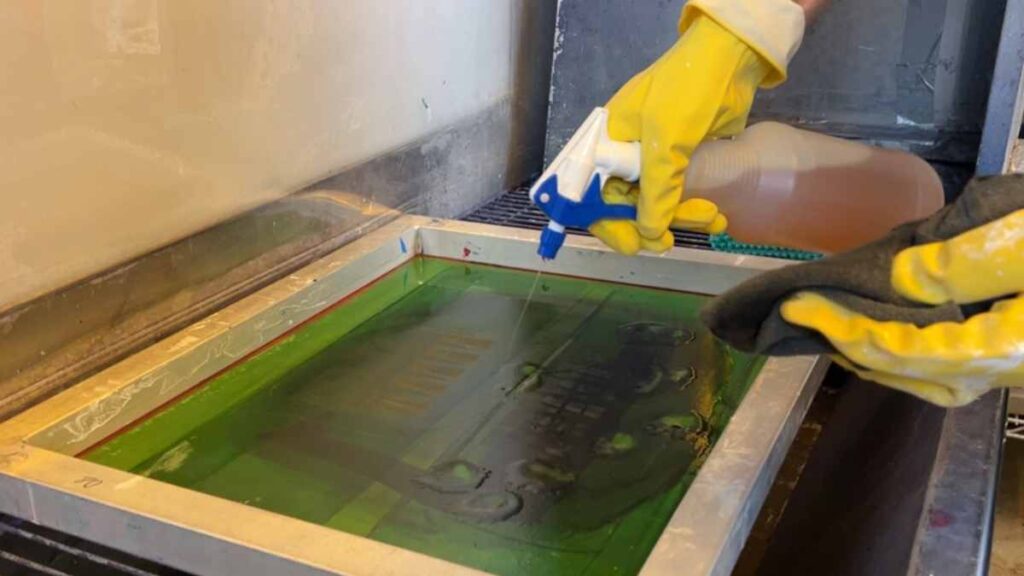
Acredita-se geralmente que imagens fantasmas provêm de resíduos de tinta ou emulsão que não foram removidos durante o processo de recuperação. Mas, como um fabricante de tinta plastisol para serigrafia, encaramos isso de uma maneira um pouco diferente — muitas vezes é uma reação química muito mais persistente que ocorre nos bastidores.
Eis o que acontece: quando você aplica removedor de névoa ou desengordurantes fortes em uma tela, esses produtos químicos podem ficar presos nas ranhuras da malha. Se a tela não for neutralizada adequadamente, a próxima aplicação de... tinta plastisol branca Se você insistir, o produto vai reagir com os resíduos. Essa reação acaba "descolorindo" o tecido ou alterando a cor da tinta, deixando-a exatamente no formato do seu desenho antigo.
Por que a estabilidade da tinta de qualidade é importante
As fábricas frequentemente enfrentam problemas com o efeito fantasma devido à tinta que utilizam, que apresenta concentrações inconsistentes de pigmento ou plastificantes instáveis. Se a tinta não for formulada para resistir à interferência química, torna-se propensa ao efeito fantasma.
Na ECOPRINTINK, nosso foco é criar uma estrutura química estável. Quando uma fábrica utiliza uma estrutura estável de alta densidade, isso resulta em maior estabilidade. tinta de serigrafia para tecidoA tinta age como um escudo. Ela não reage com traços de produtos químicos de limpeza e permanece na superfície da fibra, em vez de penetrar e causar um efeito de "halo".
Análise de especialista: Muitos problemas de transparência são, na verdade, "transparência térmica". Isso acontece quando camisetas quentes são empilhadas logo após saírem da secadora. O calor retido entre as camadas faz com que a tinta da camiseta de baixo reaja com o tecido sem estampa da camiseta de cima.
Tabela de Solução de Problemas de Fábrica: Identificando a Causa
| Sintoma | Causa primária | Solução Imediata |
| Imagem tênue na malha da tela | Desengorduramento inadequado | Utilize um removedor de névoa de alta qualidade e uma lavagem de alta pressão. |
| Contorno amarelado no tecido | Resíduos químicos na malha | Neutralize as telas com uma mistura de vinagre branco e água 10% ou com um estabilizador específico. |
| A imagem só aparece após o empilhamento. | fantasmas térmicos | Instale ventiladores de refrigeração na extremidade do secador de esteira. |
| A cor da tinta muda em misturas de polímeros. | Migração de corante | Mude para uma tinta plastisol antimigração sem PVC. |
Melhores práticas para recuperação de telas
Se a sua fábrica está apresentando uma alta incidência de fantasmas nas impressões, o primeiro lugar a verificar é a sala de serigrafia. A maior parte dessa "névoa" é, na verdade, tinta seca ou resíduo de emulsão.
- Utilize degradadores de tinta específicos: Não confie em solventes de uso geral. Use um degradador especificamente desenvolvido para o tipo de tinta que você está usando.
- A pressão é fundamental: Uma mangueira de jardim comum não vai dar conta. Você precisa de uma lavadora de alta pressão (com pelo menos 1500 PSI) para remover os resíduos das interseções da tela.
- A etapa de neutralização: Esta é a etapa mais negligenciada em grandes fábricas. Após a limpeza e desengorduramento, a tela geralmente apresenta um pH alcalino. Se esse pH não for neutralizado, a tela reagirá com a próxima aplicação de tinta.
Prevenção profissional: os quatro pilares da impressão limpa
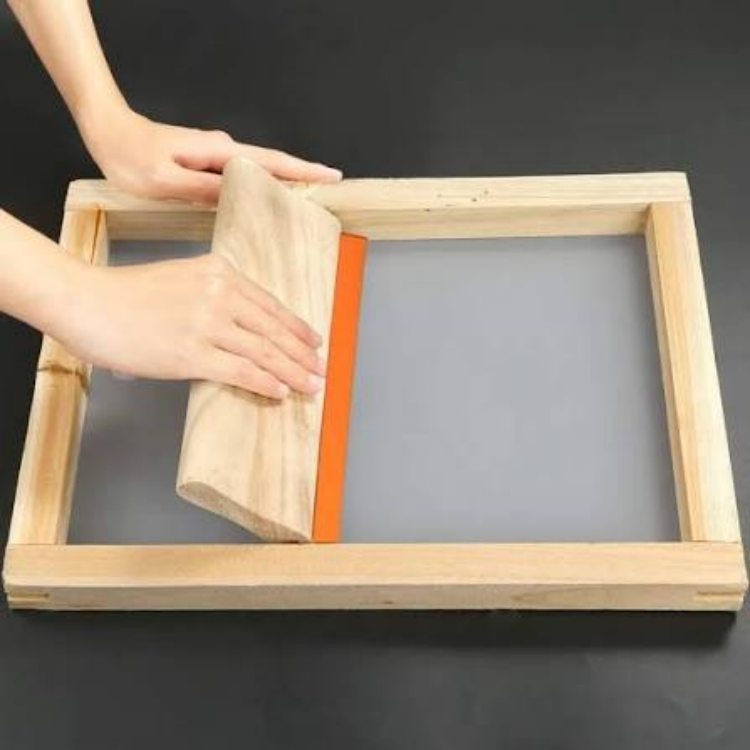
Para manter suas linhas de produção funcionando sem retrabalho, sugerimos que você se concentre nestas quatro áreas principais do processo de fabricação:
1. Manter alta tensão na malha
Telas de baixa tensão são um ímã para problemas. Elas tendem a reter mais tinta e resíduos químicos nas "linhas" da trama da malha. Mantendo a tensão da tela alta e constante, você facilita muito o trabalho da lavadora de alta pressão para remover todos os resíduos durante o processo de reciclagem.
2. Monitoramento preciso das temperaturas do secador
Não confie apenas no visor digital da secadora. Use uma sonda em formato de rosca ou um termômetro infravermelho para obter uma leitura real da temperatura da superfície da peça. A secagem excessiva é uma das principais causas de manchas fantasmas, pois o calor excessivo inicia a sublimação na fase gasosa — o ponto exato em que os corantes do tecido começam a migrar para a tinta.
3. A Fase Crítica de Resfriamento
O calor é o inimigo de uma pilha de roupas recém-lavadas. Certifique-se de que todas as camisas estejam resfriadas a menos de 38°C (100°F) antes mesmo de serem colocadas na mesa de dobrar. Se você as empilhar enquanto ainda estiverem quentes, estará criando essencialmente um forno químico pressurizado que favorece a formação de marcas fantasmas entre as camadas.
4. Padronização da química da sala de triagem
A limpeza variável leva a resultados variáveis. Recomendamos treinar sua equipe da sala de serigrafia para seguir um protocolo rigoroso: usar exatamente o mesmo volume de produtos químicos e o mesmo tempo de enxágue para cada tela. Isso elimina o fator "erro humano", onde uma tela fica perfeitamente neutra enquanto a seguinte ainda apresenta resíduos do removedor de névoa reativa.
Reduzindo o tempo de inatividade com melhores opções de tinta.
Sejamos realistas: para uma fábrica de roupas, uma impressora parada é dinheiro jogado fora. Se sua equipe está constantemente lutando contra imagens fantasmas, o problema pode não ser a impressora em si; talvez seja hora de analisar seriamente seu fornecedor de tinta. Muitas tintas comuns usam cargas mais baratas que são mais propensas a reações químicas.
Nós fornecemos soluções de tinta para serigrafia que priorizam alta opacidade e baixas temperaturas de cura. Ao reduzir a temperatura da secadora, você automaticamente diminui o risco de fantasmas térmicos e migração de corantes. Isso significa que sua equipe pode imprimir mais rápido e agilizar a entrega dos pedidos.
Desvendando o Mistério do Ghosting
O efeito fantasma não é um fantasma; é uma marca química. Ao garantir que suas telas sejam quimicamente neutras e sua tinta termicamente estável, você pode praticamente eliminar esse problema. Fábricas que investem em melhores procedimentos operacionais padrão (POPs) para a sala de serigrafia e em materiais de alta qualidade tinta plastisol Veremos uma redução drástica nas peças de vestuário de "segunda qualidade".
A longo prazo, o pequeno aumento no custo de uma tinta estável é muito menor do que o custo de descartar um pedido de 500 moletons de alta qualidade. A consistência é a base do crescimento de uma fábrica, e eliminar o efeito fantasma é um passo importante para atingir esse objetivo.
Perguntas frequentes para fabricantes de grande escala
P1. A troca para tinta à base de água impede o efeito fantasma?
Na verdade, em muitos casos, as tintas à base de água podem ser mais problemáticas. Geralmente, precisam de mais tempo na secadora, e esse calor extra aumenta o risco de reações indesejáveis no tecido. Para produção em alta velocidade, uma tinta plastisol de alta qualidade com aditivo de baixa cura é quase sempre a opção mais segura.
Q2. Por que o efeito fantasma é um problema tão grande em misturas de poliéster?
Tudo se resume à forma como são fabricados. O poliéster é tingido com corantes dispersos, e esses corantes têm a tendência de se transformarem em gás quando aquecem demais. Se a tinta não tiver um "bloqueador" sólido incorporado, esses gases simplesmente atravessam a tinta ou reagem com os produtos químicos da tela. É assim que se obtém aquela clássica e indesejada imagem fantasma.
Q3. Qual é a maneira mais rápida para uma fábrica testar se um novo lote de tinta é propenso a manchas fantasmas?
Para grandes gráficas, realizar um "teste de empilhamento" é o padrão ouro. Imprima várias amostras, empilhe-as enquanto ainda estiverem quentes após a secagem e coloque um peso sobre elas por 24 horas. Se não houver transferência de imagem no dia seguinte, significa que suas configurações de tinta e cura estão estáveis o suficiente para impressões de alto volume.
Q4. Como saber se nossos produtos químicos de limpeza são o problema?
Faça um teste "em branco". Pegue uma tela que tenha sido limpa, mas que ainda apresente um embaçamento visível. Imprima uma base transparente através dela em uma camiseta de teste. Se o embaçamento aparecer na camiseta, significa que o processo de limpeza está deixando muito resíduo.
Q5. O prazo de validade da tinta afeta a transparência da imagem?
Se a sua tinta for velha, ela pode se "separar". Basicamente, os plastificantes param de se ligar corretamente aos pigmentos. Isso torna a tinta muito mais instável quimicamente e propensa a reagir com corantes de tecido ou qualquer resíduo que esteja na sua tela. Sério, sempre troque o seu estoque de tinta.
 EN
EN  PT
PT  ES
ES  DE
DE  FR
FR  IT
IT  JA
JA  PL
PL