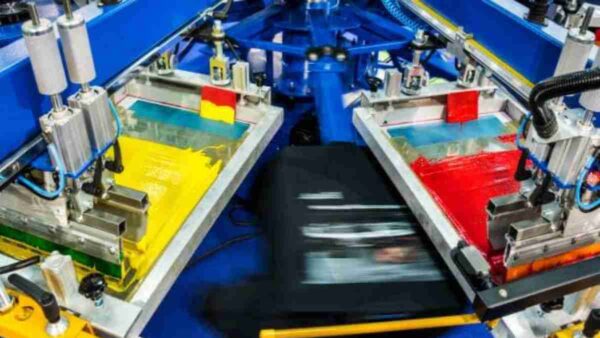
Best Plastisol Ink for Small Garment Workshops in Italy
Our Plastisol Ink Solutions aren’t just about chemicals in a bucket; they’re about giving you the freedom to create without limits.

Our Plastisol Ink Solutions aren’t just about chemicals in a bucket; they’re about giving you the freedom to create without limits.
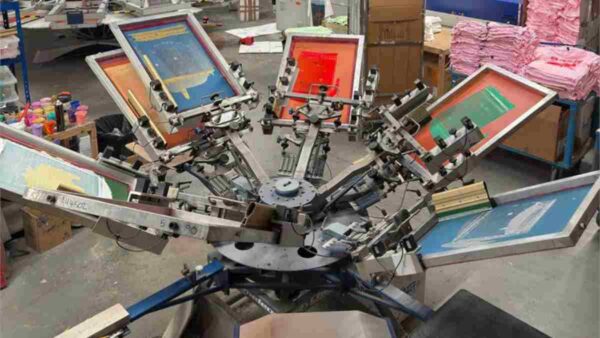
By partnering with a plastisol ink supplier uk that offers low minimums, you keep your cash in your bank account instead of letting it sit in a dusty bucket on a shelf. This strategy cuts your waste by up to 40%, lets you say “yes” to custom plastisol ink small order jobs, and ensures your ink is always fresh for the best print quality.
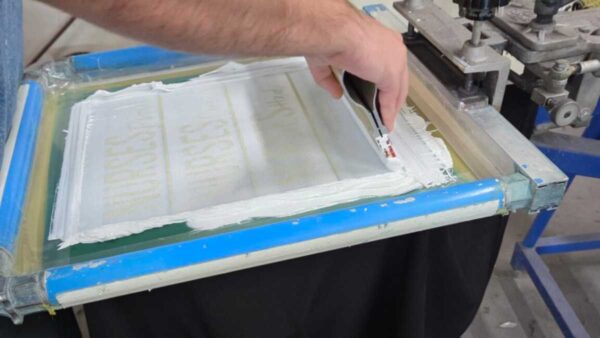
By nailing this one technical detail, we don’t just help you stop the plastisol ink cracking; we help you build a shop known for shirts that last for years. You’ll kill off those expensive customer returns and finally have the confidence to charge premium prices for your work. At ECOPRINTINK, we’ve spent years in the trenches of production floors to turn this “ink problem” into a science.
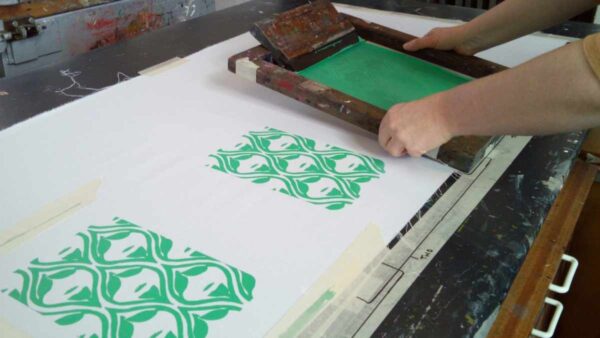
If you want to run a high-volume print shop in Germany without constantly looking over your shoulder for regulators, you need to switch to OEKO TEX plastisol ink. At ECOPRINTINK, we’ve seen that the “secret sauce” for successful German manufacturers isn’t just about design—it’s about compliance. By moving to a certified screen printing ink, you protect your business from massive fines, cut your energy bills with lower curing temps, and finally land those big-name EU retail contracts that demand total safety.
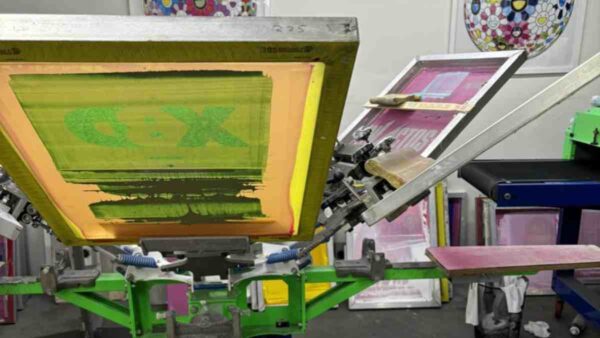
If you want the short answer on how to save money on ink in Italy, here it is: Stop looking at the price per bucket and start looking at the price per shirt. You can reduce your costs by 20-30% by switching to high-opacity inks that cover in one stroke, buying in bulk, and reducing your waste on the screen.
At ECOPRINTINK, we have spent years helping print shops in Milan, Prato, and Naples. We have seen that “cheap” ink often ends up being the most expensive because it requires more hits, more flashes, and more labor. By using a high-quality plastisol ink, you actually spend less because you use less product.
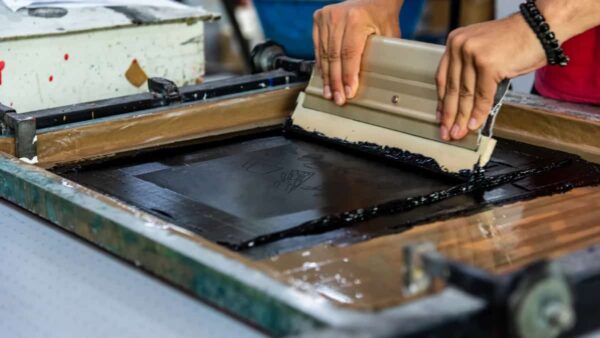
Let’s be real: shipping a massive order to a client in Berlin or Munich and getting a call three days later about “flaking ink” is every printer’s nightmare. In the German market, nobody cares how good your design looks on the press—if it doesn’t survive the first wash cycle, you’ve failed. A curing problem plastisol ink isn’t just a technical glitch; it’s a business killer that eats your margins and trashes your reputation.
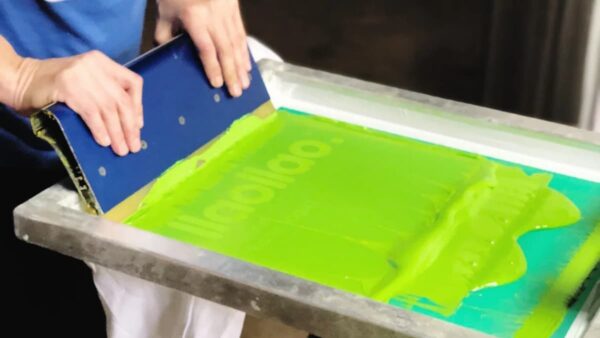
At ECOPRINTINK, we’ve spent years helping high-volume shops move away from “cheap” alternatives toward high-performance plastisol ink germany. In this guide, we’ll share our expertise on why REACH compliance is your best friend and how to optimize your shop for the German market.
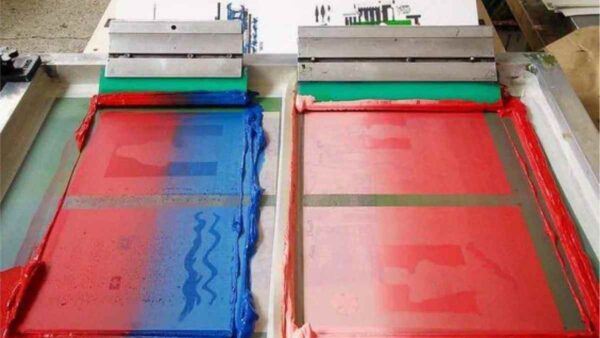
At ECOPRINTINK, we’ve spent the last few years watching the German market move away from “bottom-barrel” pricing toward “efficiency-first” buying. In this guide, we’re going to walk you through the actual costs you’ll face and how to keep your margins from disappearing.
If you want the short version: German buyers don’t just buy ink; they buy insurance against legal nightmares. Before they even talk about your price per kilo, they’re going to scrutinize your SDS (Safety Data Sheet) against the latest ECHA SVHC list, grill you on phthalate levels, and demand third-party proof like OEKO-TEX. If your paperwork has even one hole in it, your shipment is going to rot in a warehouse at the port of Hamburg.
 EN EN
EN EN  PT
PT
 ES
ES
 DE
DE
 FR
FR
 IT
IT
 JA
JA
 PL
PL