
Table of Contents
Listen, I’ve been in more screen printing shops than I’ve had cups of espresso in Milan, and that’s saying something. If you’re running a plastisol ink workshop in Italy, you know the vibe. It’s about craft. It’s about that “Made in Italy” tag that actually means something. But here’s the cold, hard truth: your talent doesn’t mean a lick if your ink is fighting you.
I’ve walked the floors of tiny studios in the Prato textile district where the heat is stifling and the space is tighter than a pair of vintage Armani jeans. In those environments, you don’t just need “ink.” You need a solution that doesn’t clog your screens or poison your air. That’s where I come in. As a solution expert for ECOPRINTINK, I’ve spent years figuring out why some shops thrive while others literally wash their profits down the drain.
Let’s talk about why choosing the right Plastisol Ink is the most important business decision you’ll make this year.
The High Stakes of the Italian Market
Italy isn’t like the rest of the world. Here, a “small business” often produces for global fashion houses. The quality standards are through the roof. If you’re a plastisol ink small business owner in Florence or Treviso, you’re dealing with two giant headaches:
- European Regulations (REACH): The EU doesn’t play around with chemicals.
- The “Hand-Feel” Obsession: If the print feels like a piece of sandpaper, the customer is sending it back.
I remember visiting a shop near Lake Como. They were using a cheap, generic brand. The ink was so thick they had to add a mountain of reducer, which killed the opacity. They were losing 20% of their margin just in re-prints. I handed them a tub of our Screen Printing Plastisol Ink and told them to stop working so hard. The difference was night and day.
Why Your Shop Needs a Specialized Plastisol Ink Italy Supplier
You could buy ink from anywhere, but why would you? Most big suppliers treat small Italian workshops like an afterthought. They want to sell 500-gallon drums. At ECOPRINTINK, we focus on the artisan.
Being a reliable plastisol ink italy supplier means understanding that your electricity costs are some of the highest in Europe. You need ink that cures fast and at lower temperatures. According to data from the European Commission on Energy, industrial energy prices in Italy have fluctuated wildly, making efficiency a survival trait, not just a “nice-to-have.”
The “Secret Sauce”: What Makes a Great Ink?
If you want to win in this game, you need to understand the technical side without getting bored to tears. Here’s the breakdown of what we put into our Screen Printing Ink Solutions.
1. The Non-Blocking Miracle
In a small workshop, you might not have the best ventilation. Standard inks dry up in the mesh if you look at them wrong. Our Non-Blocking Printing ink is a game changer. It stays open in the screen for hours but cures instantly under the flash. No more scrubbing screens mid-run.
2. The Eco-Friendly Edge
The fashion world is going green. If you aren’t using PVC-Free Plastisol Ink, you’re living in the past. Major brands are now demanding Eco-Friendly Screen Printing Ink because consumers want to know their T-shirt isn’t a toxic waste site. Our Plastisol Ink Manufacturer process ensures that you meet all Oeko-Tex Standard 100 requirements.
Comparison Table: Why Quality Costs Less
| Feature | Cheap Generic Ink | ECOPRINTINK Solution | Impact on Profit |
| Opacity | Requires 3 passes | High Opacity (1-2 passes) | 30% faster production |
| Screen Clogging | High (Wash every hour) | Zero (Non-blocking) | Less downtime, more prints |
| Compliance | Questionable | REACH & Oeko-Tex | No legal risks with big brands |
| Softness | Plastic-like | “Soft Hand” Finish | Higher retail value per shirt |
How to Set Up for Success (The Professional Way)
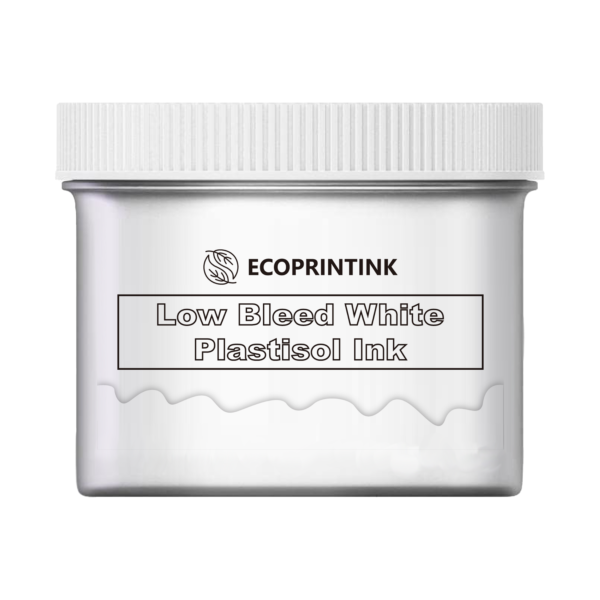
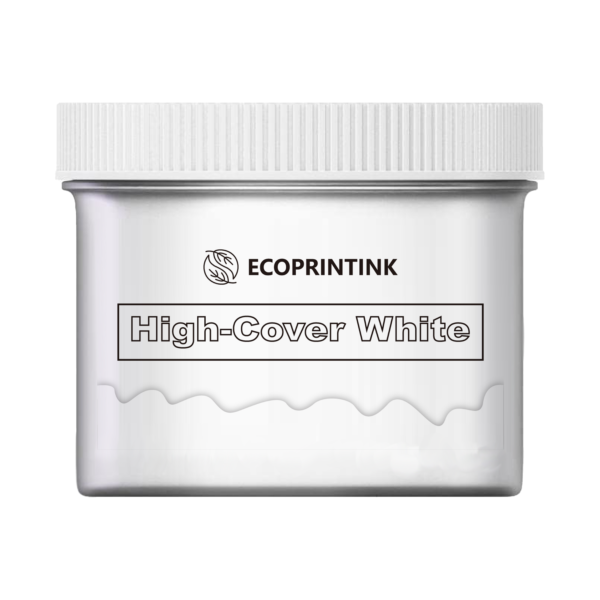
I’ve seen guys try to print White Plastisol Ink through a 120T mesh with a dull squeegee and then wonder why it looks like a ghost. Stop it.
If you want that crisp, professional look that Italian boutiques crave, follow my “expert-approved” workflow:
- Screen Prep: For bold whites, use a 43T to 77T mesh. Don’t go higher unless you’re doing halftones.
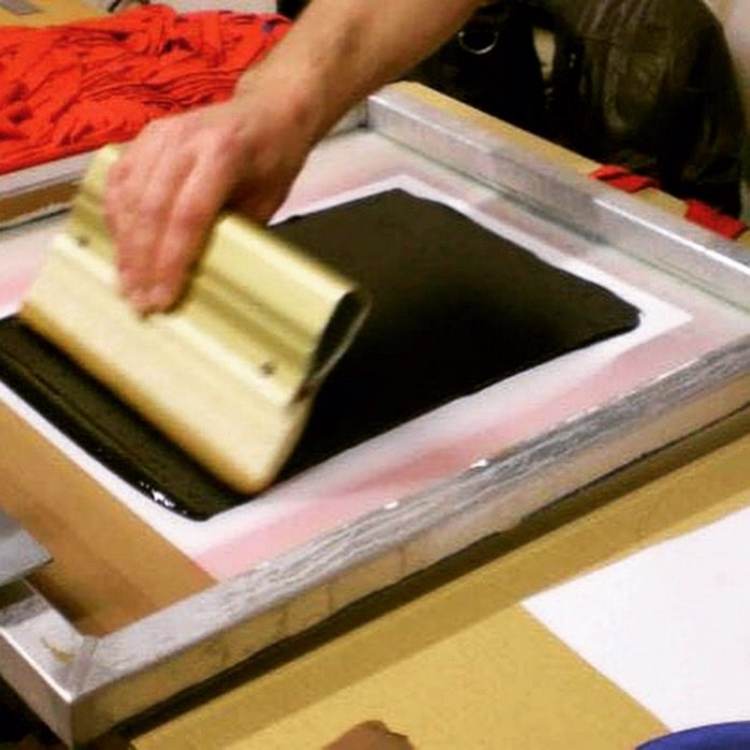
- The Squeegee: Use a 70/90/70 triple durometer squeegee. It gives you the pressure you need without bending like a noodle.
- The Ink: Use our Wholesale Plastisol Ink straight from the bucket. It’s “press-ready.” Don’t go adding thinners unless you absolutely have to.
- Curing: Set your dryer to 160°C. Check it with a donut probe. A laser gun is okay but it only tells you the surface temp. You need the ink to cure all the way through to the fabric.
Solving the Migration Nightmare
If you’re printing on polyester or those trendy Italian “tech blends,” you’ve seen it: you print a beautiful white, and the next day it’s turned a sickly pink because the fabric dye bled through.
I’ve solved this for dozens of shops using our Anti-Migration Plastisol ink. It’s a specialized gray or black underbase that stops dye migration dead in its tracks. It’s like a firewall for your T-shirt.
The Specialty Advantage: Stand Out or Die
In a crowded market, being “okay” is a death sentence. You need to offer something your competitors can’t. That’s why I always tell my Italian clients to stock up on specialty inks.
Imagine walking into a pitch with a sample that has Puff Plastisol Ink for a 3D effect or Glow In The Dark Blue Plastisol Ink for a club brand. You aren’t just a printer anymore; you’re a designer.
Some of our most popular “crowd-pleasers” in the Milan fashion scene include:
- Gold Silkscreen Ink for that luxury touch.
- Reflective Plastisol Ink for high-end streetwear.
- Chameleon Screen Printing Plastisol Ink for those “wow” pieces.
Why I Trust ECOPRINTINK (And You Should Too)
I don’t just work here; I use this stuff. I’ve seen the Screen Printing Ink Manufacturer side of things where companies cut corners on pigments to save a cent. We don’t do that.
Our pigments are sourced to be light-fast and vibrant. When you use our Fluorescent Screen Printing Plastisol Ink, it doesn’t look dull after one wash. It stays bright because the pigment load is higher than the industry average. That’s the difference between a shirt that ends up in a vintage shop in twenty years and one that ends up in a landfill in two weeks.
Case Study: The Roman Streetwear Start-up
A young guy in Rome came to me last year. He was doing everything right—great designs, great marketing—but his prints were cracking. He was using a local “budget” ink. I moved him to our High Density Plastisol ink and taught him about proper dwell time in the dryer.
Six months later? He’s doubled his production and moved into a larger space. He told me the best part wasn’t the ink; it was the fact that he stopped getting angry emails from customers about cracked prints. That’s what a real Screen Printing Ink for Fabric Solution looks like.
Frequently Asked Questions (The Stuff You’re Actually Wondering)
Q1. Is Plastisol ink still the best choice for small shops in Italy compared to Water-based?
Absolutely. While water-based is popular, it’s a nightmare to manage in small batches because it dries in the screen so fast. Plastisol Ink gives you total control. You can leave the screen, go have lunch, and come back to the same perfect print.
Q2. How do I know if my ink is truly REACH compliant?
Always ask your Plastisol Ink Supplier for an SDS (Safety Data Sheet). At ECOPRINTINK, we provide full documentation for our Non-PVC Plastisol Ink to ensure you stay on the right side of EU law. You can check the latest REACH updates on the ECHA website.
Q3. Can I mix different colors of ECOPRINTINK?
Yes! Our Color Plastisol Ink Manufacturer process ensures that all our standard colors are perfectly compatible. You can create custom pantones without worrying about chemical separation.
Q4. Why is my white ink so thick and hard to print?
White ink has the highest pigment load. If it’s cold in your shop, it’ll feel like printing with peanut butter. The trick? Stir it! Plastisol is “thixotropic”—the more you stir it, the creamier it gets. Use a drill mixer for 2 minutes and you’ll see the magic happen.
Q5. Do you ship directly to Italy?
We serve the Italian market with fast, reliable shipping. Whether you need a single gallon of Glow In the Dark Plastisol Ink or a pallet of White Plastisol Ink, we’ve got you covered.
Final Thoughts: Don’t Settle for “Good Enough”
You’re an Italian printer. You have a reputation for excellence to maintain. Don’t let a bad batch of ink be the thing that holds you back. Whether you’re a plastisol ink workshop just starting out or a seasoned veteran, the tools you use define your ceiling.
I’ve spent my career helping shops like yours break through that ceiling. Our Plastisol Ink Solutions aren’t just about chemicals in a bucket; they’re about giving you the freedom to create without limits.
Give ECOPRINTINK a try. Your squeegees—and your customers—will thank you.
 EN
EN  PT
PT  ES
ES  DE
DE  FR
FR  IT
IT  JA
JA  PL
PL