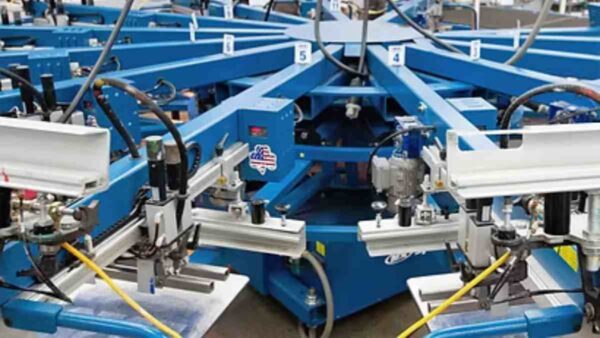
Boost Throughput by 30%: The Master Guide to Optimizing Flash Time for High-Speed Automatic Presses
Automatic screen printing presses are built for speed but the flash cure unit often dictates the actual rhythm of the shop floor.

Automatic screen printing presses are built for speed but the flash cure unit often dictates the actual rhythm of the shop floor.
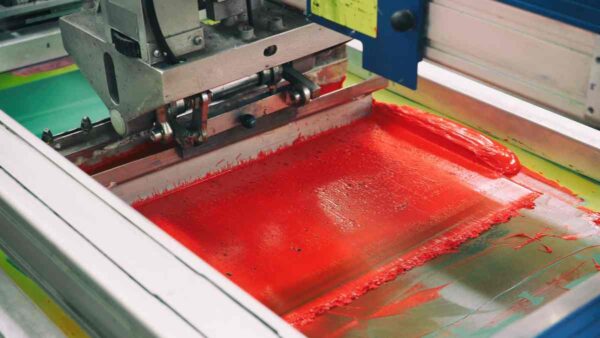
You should look at how many good shirts you finish every hour. Using a high-quality white plastisol ink can cut your labor costs and it can lower energy bills by 20% because it clears the screen faster and it dries quicker.
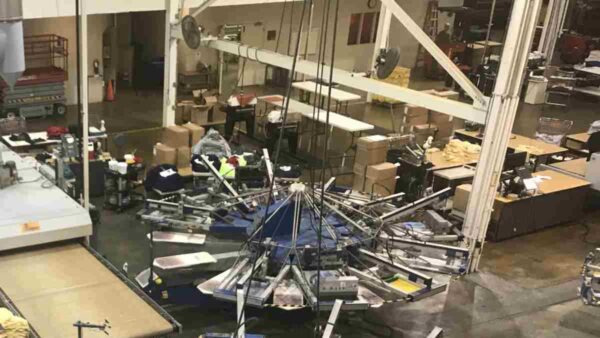
To get a handle on this, you really need a solid mix of stable screen printing plastisol ink, consistent curing setups, and a close eye on your mesh tension. Lowering your rework rate doesn’t just save the garment; it instantly cuts your costs and keeps your clients from looking elsewhere.
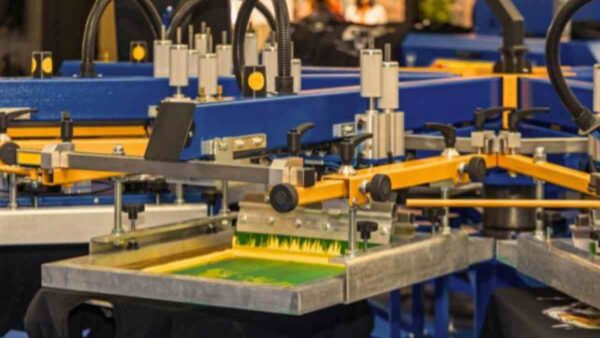
Dealing with ghost prints in a high-volume factory really boils down to two main factors: staying chemically neutral during screen reclamation and keeping your curing heat under tight control.
Modern plastisol ink absolutely supports sustainable mass production. The trick is moving away from those old, phthalate-heavy formulas of the past and switching to non-phthalate or pvc-free plastisol ink systems.
If you are dealing with pigment-dyed or garment-dyed apparel, the solution is pretty straightforward: you absolutely need high-opacity low-bleed plastisol ink.

Whether you need the soft rise of puff or the architectural precision of high density, we provide the technical support and wholesale plastisol ink supply to keep your production lines moving efficiently.
price matters. But in real apparel production, the lowest ink price can still become the highest job cost.
At ECOPRINTINK, we look at plastisol ink as a production tool. A good ink doesn’t just sit in a bucket. It helps your press run better, keeps colors steady, cures correctly, and gives your customer a garment they can wash without worry.
If you want the short answer to how small shops beat high minimum order quantities (MOQs) without draining their bank accounts, here it is: Stop buying finished colors and start buying a mixing system, concentrate your volume on high-use “anchor” inks, and partner directly with a manufacturer who understands small-batch logistics.
By doing this, we have seen shops cut their upfront ink costs by 30% and reduce their wasted shelf inventory by nearly half. You get the same professional-grade plastisol ink as the big guys, but you only pay for what you actually pull through a squeegee.
 EN EN
EN EN  PT
PT
 ES
ES
 DE
DE
 FR
FR
 IT
IT
 JA
JA
 PL
PL