
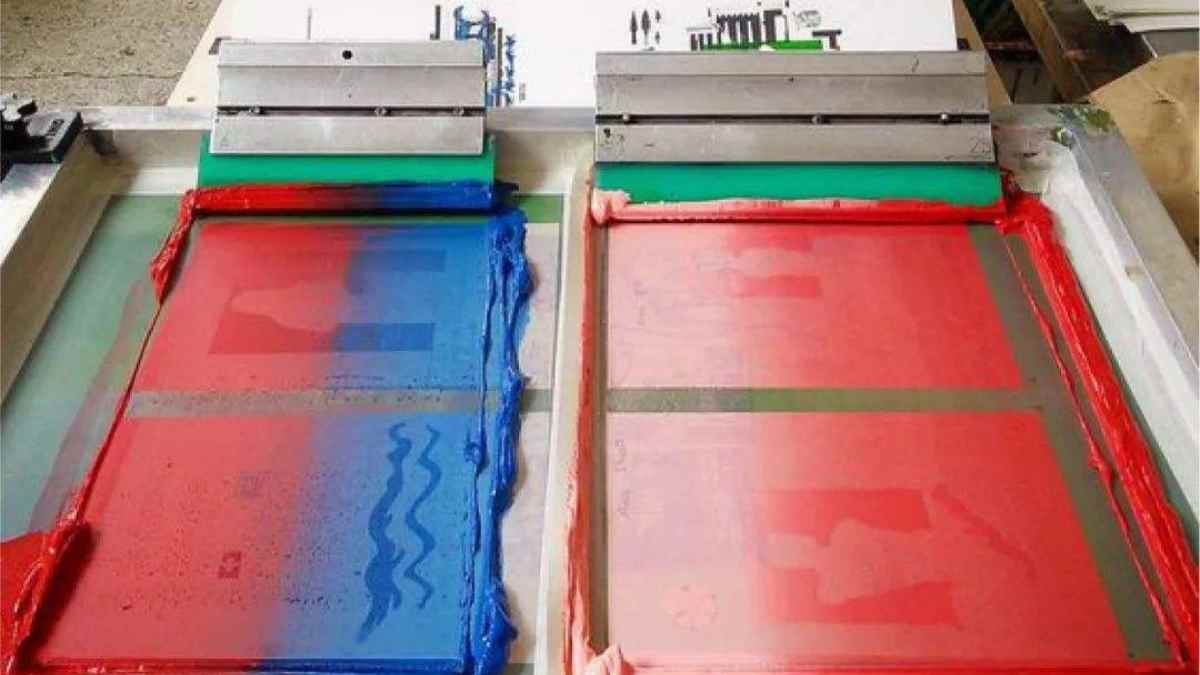
If you’re looking for a straight answer on the bottom line, here’s what we are seeing: By 2026, the plastisol ink price germany is going to land somewhere between €13.50 and €26.00 per kg. Why the gap? It mostly depends on how much pigment you’re packing and if the ink is a “low-cure” specialty. The big win here is that if you switch to high-solids formulas now, you can actually cut your total production costs by about 15% even if the price per bucket looks higher. You’re essentially paying for performance that saves you money on the back end.
5. Na ECOPRINTINK, we’ve spent the last few years watching the German market move away from “bottom-barrel” pricing toward “efficiency-first” buying. In this guide, we’re going to walk you through the actual costs you’ll face and how to keep your margins from disappearing.
Índice
1. The Real Numbers: Breaking Down Plastisol Ink Cost Per Kg
When you’re calculating your tinta plastisol cost per kg, you’ve got to look past the invoice. In the German market, we have to deal with energy spikes and chemical regulations that other regions just don’t face.
What You’ll Likely Pay in 2026 (B2B Estimates)
| Product Type | Common Use Case | Est. Price (€/kg) |
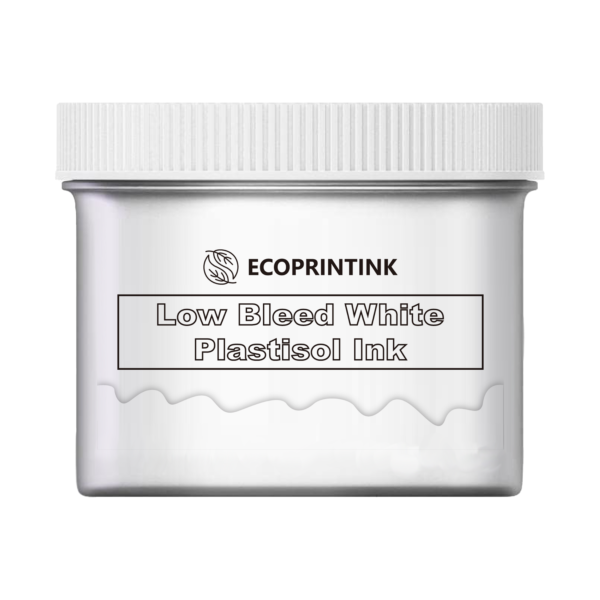
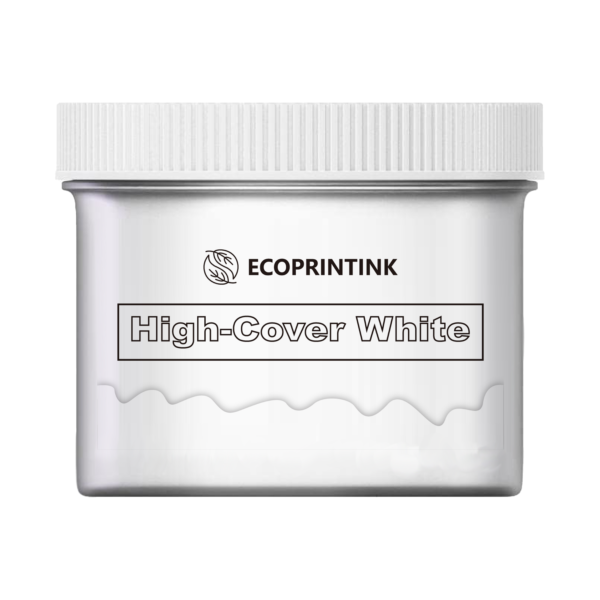
| High-Opacity White | The “workhorse” for dark shirts | €13.50 – €17.00 |
| Standard CMYK Mixes | High-volume process jobs | €16.00 – €20.50 |
| Low-Cure Series | Performance wear / Energy saving | €20.00 – €26.00 |
| Specialty (Neon/Metallic) | High-end fashion accents | €28.00 – €45.00 |
Why are these prices shifting?
It’s not just inflation. We are seeing a major crunch in the supply of high-grade plasticizers and TiO2 (the stuff that makes white ink white). Plus, the German Carbon Leakage Protection Regulation (BECV) means that any chemical manufacturing happening in our backyard has a “green tax” baked in. When you see a higher plastisol ink wholesale price, you’re often paying for that compliance and the massive energy bills required to grind and blend these inks.
Expert Tip: We always tell our partners: stop looking at the cost of the ink and start looking at the cost of the shirt. A cheap, thin ink requires two passes and two flashes. A premium high-opacity plastisol ink does it in one. You might pay 20% more for the ink, but you’ll save 30% on labor and power.
2. Navigating the German Regulatory “Tax”
Germany is arguably the toughest place in the world to sell textile chemicals. By 2026, ECHA (European Chemicals Agency) is expected to tighten the screws even more on phthalates.
- REACH is the Law: If your ink isn’t REACH compliant, you’re looking at massive fines and rejected shipments.
- The ZDHC Push: Major German brands like Adidas and Hugo Boss are moving toward ZDHC Level 3. Using eco-friendly screen printing inks isn’t just a “nice to have” anymore; it’s a requirement to get on their vendor list.
3. How to Hack the Plastisol Ink Wholesale Price
If you want to get the best Fplastisol ink wholesale price in 2026, you can’t just shop around for the lowest quote. You need a strategy.
Bulk Buying & Logistics
In Germany, the “LKW Maut” (truck toll) has made shipping heavy buckets of ink expensive. We’ve found that customers who order 500kg pallets instead of 20kg pails save about 12% just on the freight and “small order” surcharges.
Stick to a Mixing System
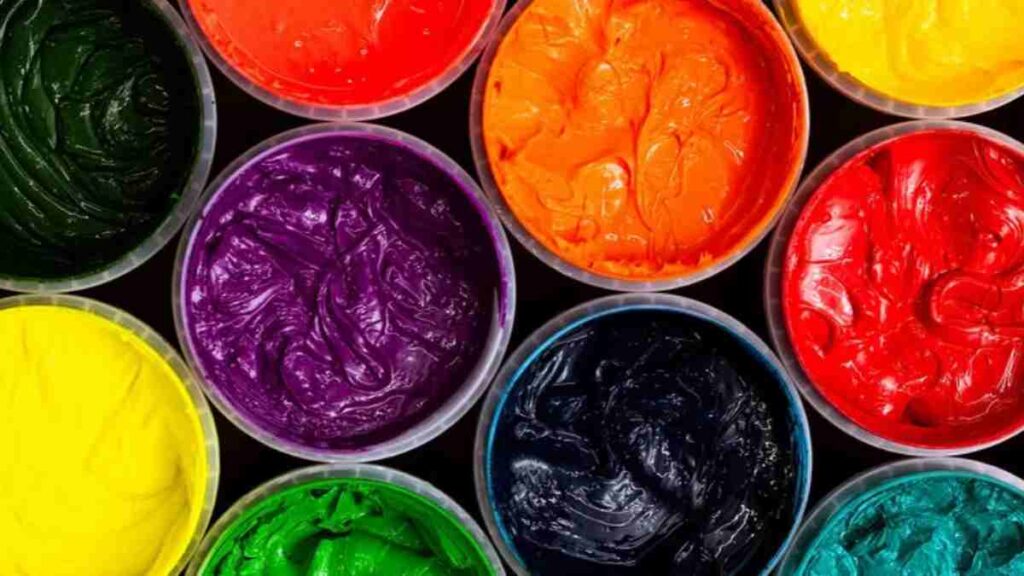
Don’t buy 50 different spot colors. Buy a base and a set of pigments. Using our plastisol color mixing system allows you to mix exactly what you need, reducing waste to almost zero. It keeps your inventory lean and your plastisol ink cost per kg predictable.
Our Best Practice: Before you commit to a new supplier, ask for a “solids content” test. High-solids inks don’t shrink during curing. It’s the secret to getting that premium, “heavy” feel on a garment without actually using more ink. Check out our screen printing cost guide to see the math in action.
4. The Energy Saver: Why Low-Cure is the Future
With German electricity prices being what they are, your conveyor dryer is your biggest enemy. Standard plastisol needs about 160°C to cure. Low-cure formulas hit that same point at 130°C.
Why we are pushing this for 2026:
- Lower Bills: You can drop your dryer temps and save roughly 20% on power.
- No Scorching: You won’t ruin expensive polyester jerseys or delicate blends.
- Faster Speed: Lower temps mean faster belt speeds.
5. Case Study: Turning a Profit in Hamburg
We recently worked with a mid-sized shop in Hamburg that was frustrated by the rising plastisol ink price germany. They were using a “budget” white at €11.00/kg.
The Issue: It was so thick they had to add reducer (which messed up the opacity) and it took forever to flash.
The Fix: We swapped them to our tinta plastisol branca at €15.00/kg.
The Results:
- Ink Savings: They used 25% less ink because the coverage was so much better.
- Energy: They dropped their flash time by 2 seconds per shirt.
- Profit: They saved nearly €500 on a 10,000-shirt run, even though the ink “cost” more.
6. Real-World Advice for 2026
- Watch the Temperature: German winters can make your ink like cold peanut butter. Store your bulk plastisol ink in a climate-controlled room (18-25°C) or you’ll waste money on thinners.
- Go Digital: If you’re still mixing by eye, you’re losing money. Use a digital scale and a mixing app.
- Check the “Maut”: Always calculate your “landed cost.” Sometimes a local German supplier is cheaper than a “low-price” import once you add the tolls and carbon taxes.
FAQ: What’s Actually on Your Mind?
Q1: Is it actually still legal to use PVC inks in Germany for 2026?
Look, the short answer is yes. As long as it’s phthalate-free and meets REACH, you’re in the clear legally. But the truth is, the market is moving. Most of our high-end B2B clients are already transitioning to PVC-free options because that’s what the big retail brands are demanding.
Q2: Why is my cost per kg for white ink so much lower than my blues or reds?
It’s pure volume. We produce white ink by the ton, which keeps the manufacturing costs down. However, don’t get too comfortable—white ink is tied directly to the price of Titanium Dioxide. If that market spikes, the plastisol ink price germany for whites will jump overnight.
Q3: How do I avoid the small order surcharges?
In Germany, the logistics of shipping a single 20kg bucket are a nightmare for distributors. To get a better plastisol ink wholesale price, try to consolidate your orders to at least 100kg. That’s usually the “magic number” where the freight costs start to make sense.
Q4: Will the “LKW Maut” increase affect my ink cost?
Honestly? Yes. Logistics now make up about 5-8% of your total invoice. We recommend ordering less frequently but in larger volumes to minimize how many times that truck has to stop at your door.
Q5: What is the shelf life if I buy in bulk?
If you keep it sealed and out of the frost, most of our plastisols are good for 24 months. We always suggest a “FIFO” (First-In, First-Out) system so you aren’t sitting on old stock that has started to settle.
 EN
EN  PT
PT  ES
ES  DE
DE  FR
FR  IT
IT  JA
JA  PL
PL