
Table of Contents
Jeśli chcesz przyspieszyć swoją produkcję w Wielkiej Brytanii, odpowiedź jest prosta: potrzebujesz maszyny o niskiej temperaturze i wysokiej nieprzezroczystości screen printing plastisol ink. Przechodząc na szybko utwardzalny tusz plastizolowy, możesz skrócić czas naświetlania o 50% i obniżyć temperaturę suszenia do 130°C. To nie tylko przyspiesza, ale także obniża rachunki za energię i chroni przed zniszczeniem drogich materiałów. ECOPRINTINKwidzieliśmy, że zakłady zwiększyły swoją wydajność godzinową o 20% po prostu zmieniając skład chemiczny tuszu.
Dlaczego prędkość ma znaczenie na rynku brytyjskim
Codziennie rozmawiamy z właścicielami drukarni od Londynu po Glasgow. Wspólny temat? Terminy są coraz krótsze, a koszty energii utrzymują się na wysokim poziomie. W Wielkiej Brytanii dominują „szybka moda” i gadżety eventowe. Jeśli nadal używasz tradycyjnych tuszy, które wymagają 160°C do utrwalenia, dosłownie marnujesz pieniądze.
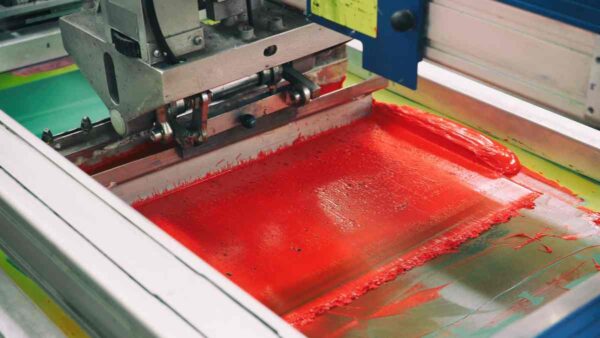
Opracowując naszą farbę sitodrukową do tkanin, skupiliśmy się na szybkim sitodruku produkcyjnym. Zrozumieliśmy, że wąskim gardłem zazwyczaj nie jest prędkość rakla, ale lampa błyskowa. Jeśli biała baza schnie 6 sekund, automatyczna prasa jest po prostu bardzo drogim przyciskiem do papieru.
Ukryte koszty stosowania niewłaściwego tuszu
- Przegrzanie tkaniny: To przepis na katastrofę. Wysokie temperatury prowadzą do irytującego „kurczenia się poliestru”, a co gorsza, „migracji barwnika”, gdzie kolor tkaniny przenika do nadruku.
- Zmarnowana praca: Pomyśl o kosztach pracy. Jeśli Twój cykl produkcyjny jest długi, produkujesz mniej koszulek na godzinę. To sprawia, że każdy nadruk jest droższy niż powinien.
Nauka o szybkości tuszu plastizolowego
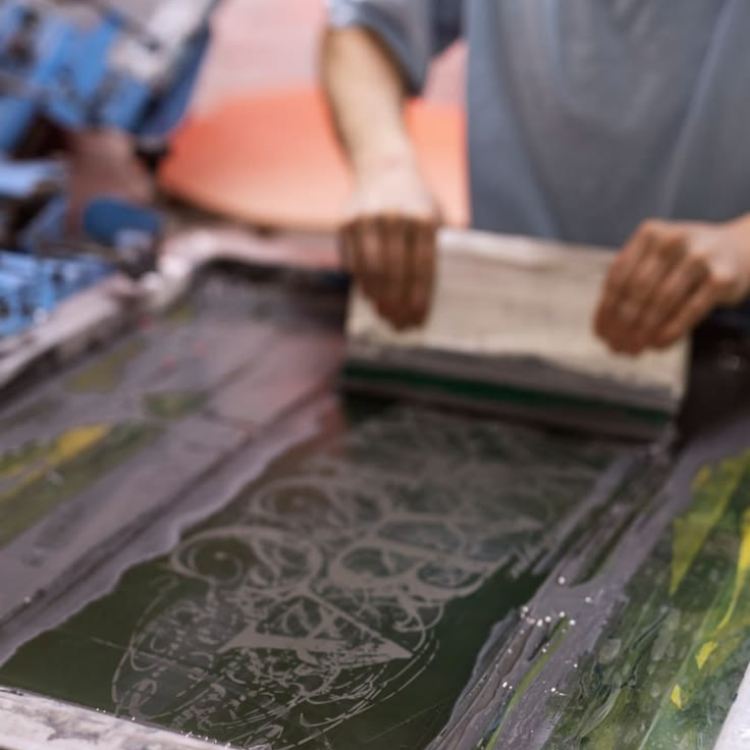
Szczerze mówiąc, wielu drukarzy uważa, że wszystkie plastizole są praktycznie takie same. To nieprawda. Szybkość druku tuszu plastizolowego w dużej mierze zależy od jakości żywicy i mieszanki plastyfikatorów, których używamy. Nasza formuła w ECOPRINTINK została opracowana tak, aby „żelować” niemal natychmiast pod wpływem podczerwieni.
Spostrzeżenia eksperta: „Przejście ze stanu ciekłego do stałego filmu (stopienie) zwykle następuje w temperaturze 160°C w przypadku tradycyjnych tuszy. Nasze zaawansowane screen printing ink plastisol solutions „Do tego punktu można dojść już przy temperaturze 130°C-140°C.” — Dyrektor techniczny, ECOPRINTINK.
Dane dotyczące wydajności: ECOPRINTINK kontra konkurenci
| Feature | Tradycyjne tusze brytyjskie | ECOPRINTINK Szybkoschnący |
| Czas błysku (IR) | 5 – 7 sekund | 2 – 3 sekundy |
| Pełna temperatura utwardzania | 160°C (320°F) | 130°C (265°F) |
| Mokro na mokro | Biedny (lepki) | Doskonały (matowe wykończenie) |
| Oszczędność energii | 0% | Do 25% |
Jak zoptymalizować swój sklep, aby zapewnić szybką realizację zamówień
Nie tylko sprzedajemy tusze; rozwiązujemy problemy. Jeśli chcesz osiągnąć cel 500 koszulek na godzinę, postępuj zgodnie z naszymi najlepszymi praktykami.
1. Zacznij od właściwej bazy
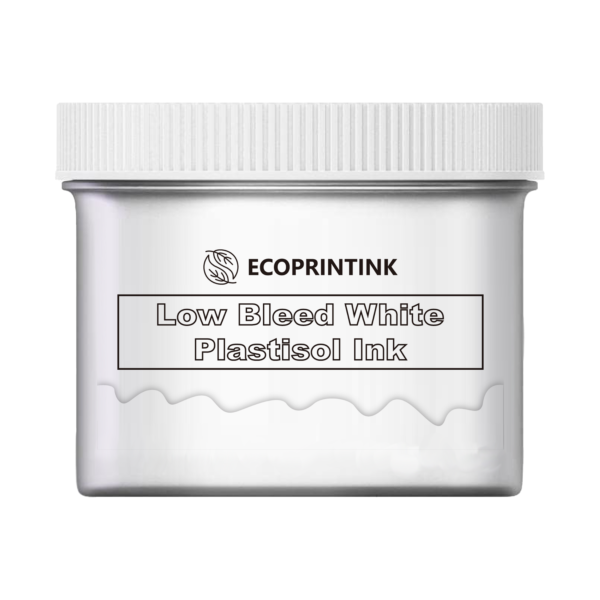
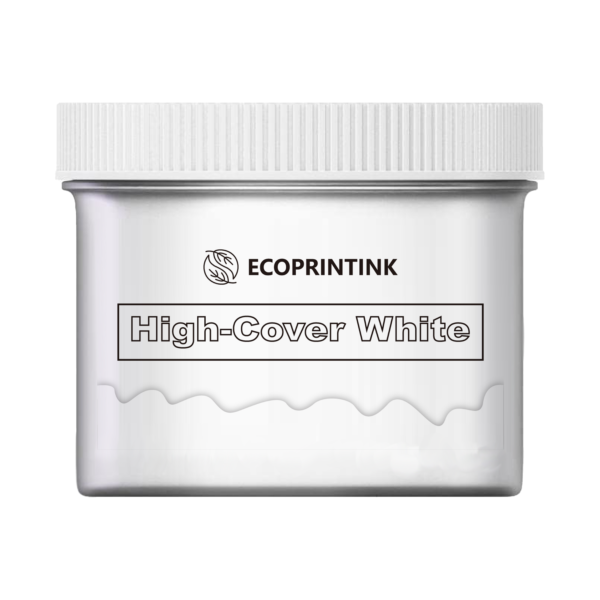
Podstawą każdego szybkiego druku jest biel. Jeśli biel jest gęsta i lepka, cała praca będzie powolna. Polecamy nasze white plastisol ink ponieważ ma „krótki” korpus. Szybko ścina się pod ściągaczką, co oznacza, że można używać mniejszej siły nacisku i poruszać się szybciej.
2. Najlepsza praktyka: lampa błyskowa „do suchości w dotyku”
Tak naprawdę, sztuką jest nie przesadzić z błyskiem. Zbyt wiele drukarek podgrzewa płytę bazową do temperatury wystarczającej do usmażenia jajka. Wystarczy, że tusz będzie suchy w dotyku. Dzięki naszemu szybko utwardzającemu się tuszowi plastizolowemu, dwusekundowy impuls często wystarcza. Dzięki temu palety pozostają chłodne, co zapobiega wysychaniu lub zatykaniu się tuszu w sitach.
3. Zastosuj drukowanie na mokro
Jednym z najlepszych sposobów na szybki druk sitowy jest wyeliminowanie migotania między kolorami. Nasze tusze są opracowane tak, aby przylegały do siebie, nie powodując zacieków. Możesz wydrukować zadanie w czterech kolorach z zaledwie jednym migotaniem po białej bazie.
Spełnianie brytyjskich przepisów bez utraty szybkości
W Wielkiej Brytanii obowiązują jedne z najsurowszych przepisów dotyczących chemikaliów na świecie (REACH). W przeszłości wiele szybko utwardzalnych tuszy wykorzystywało agresywne środki chemiczne, aby uzyskać niską temperaturę topnienia. My poszliśmy inną drogą.
Dla dużych brytyjskich marek, takich jak ASOS czy sklepy sieciowe, zrównoważona produkcja to nie tylko „fajna rzecz” — to potężny argument sprzedażowy, który można wykorzystać.
Zalety naszej ekologicznej gamy produktów:
- Zero ftalanów: Produkt nie zawiera ftalanów, więc możesz bezpiecznie drukować ubrania dla niemowląt i ubranka dla osób o wrażliwej skórze.
- Soft Hand Feel: W przeciwieństwie do ciężkich, tradycyjnych tuszy, nasz tusz plastizolowy bez PCV po praniu jest zaskakująco podobny do tuszu na bazie wody.
- Brak zatykania ekranu: Pozostaje otwarty w siatce przez wiele dni, a nie tylko godzin.
Rozwiązanie „problemu poliestru”
W Wielkiej Brytanii odzież sportowa i robocza jest bardzo popularna. Zazwyczaj jest to poliester 100% lub jego mieszanki. Problem? Po podgrzaniu poliestru do 160°C barwniki tkanin zamieniają się w gaz i przenikają do tuszu. Zjawisko to nazywa się migracją barwnika.
Ponieważ szybkość utwardzania naszego tuszu plastizolowego pozwala na utwardzanie w temperaturze 130°C, utrzymujesz się poniżej „punktu gazowego” większości barwników poliestrowych. Oznacza to, że Twoje białe kolory pozostają jaskrawo białe, a czerwone nie stają się różowe. Jesteśmy specialty ink manufacturer który stawia na pierwszym miejscu stabilność.
Studium przypadku z życia wzięte: Centrum Druku w Manchesterze
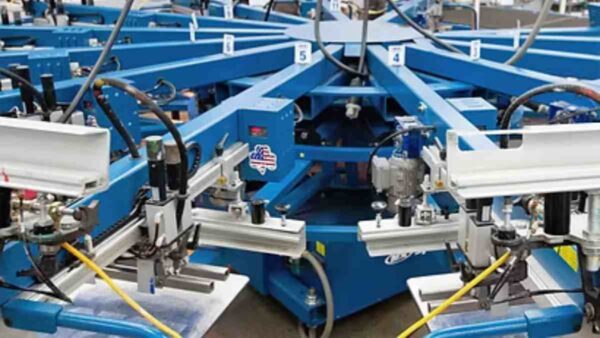
W zakładzie o dużej przepustowości w Manchesterze pracowały trzy automatyczne prasy. Zmagali się z „lepkością” na stacjach błyskowych, co zmusiło ich do zwolnienia prędkości taśmy.
Rozwiązanie:
Zamieniliśmy ich standardowy tusz na serię ECOPRINTINK o niskim stopniu utwardzania.
The Results:
Zwiększyli prędkość taśmy z 3,2 do 4,5 metra na minutę. Czasy błysku skróciły się o połowę – z 5 do 2,5 sekundy. Ich wskaźnik odrzuceń? Spadł gwałtownie, ponieważ te „zacinające się” bóle głowy zniknęły. Najlepsze jest to, że udało im się zmieścić dodatkowe 2000 koszul tygodniowo bez konieczności zatrudniania nocnej zmiany.
Najlepsze praktyki dotyczące postępowania z tuszem
Aby w pełni wykorzystać potencjał naszego szybko utwardzalnego tuszu plastizolowego, musisz obchodzić się z nim właściwie. Oto nasza wewnętrzna „ściągawka”:
- Wymieszać przed użyciem: W rzeczywistości plastizol „budzi się”, gdy się go miesza. Użyj mieszadła wiertarko-wkrętarki przez 30 sekund, aby uzyskać optymalną płynność.
- Sprawdź swoją siatkę: Do szybkich przebiegów zalecamy użycie oczek 43T–77T dla kolorów wierzchnich i 32T dla mocnych białych baz.
- Monitoruj swoją suszarkę: Nie ufaj wyświetlaczowi cyfrowemu piekarnika. Użyj sondy „donut” lub laserowego termometru, aby sprawdzić rzeczywistą temperaturę powierzchni tuszu.
Why Choose ECOPRINTINK?
Słuchajcie, wiemy, że na rynku brytyjskim panuje bezwzględna konkurencja. Jeśli chcecie być na bieżąco, szybsze, czystsze i wydajniejsze drukowanie nie jest opcjonalne – to jedyny sposób na zwycięstwo. Nie jesteśmy po prostu kolejnym dostawcą. Jesteśmy producentem specjalistycznych tuszy, który koncentruje się na przyszłości branży.
Nasze farby plastizolowe do sitodruku są testowane w rzeczywistych warunkach. Dbamy o to, aby każda partia miała taką samą szybkość i spójność kolorów. Oznacza to, że gdy ponownie zamówisz farbę „Royal Blue”, będzie ona taka sama jak ta, którą kupiłeś sześć miesięcy temu.
Podsumowanie korzyści
Oto podsumowanie. Zwiększysz swoje przychody, drukując więcej koszul w tym samym czasie. Przestaniesz przepłacać za energię, ponieważ niższe temperatury oznaczają niższe rachunki. Jakość pozostanie na najwyższym poziomie, ponieważ przypalone koszule i migracja barwników staną się przeszłością. I szczerze mówiąc, po prostu o wiele łatwiej jest spełnić brytyjskie standardy REACH i OEKO-TEX.
FAQ
P1. Czy mogę używać ECOPRINTINK na bawełnie 100%?
Zdecydowanie. Działa znakomicie na bawełnie, ale prawdziwa „magia” dzieje się na tych trudnych mieszankach i syntetykach, gdzie utrzymanie niskiej temperatury jest kluczowe.
P2. Dlaczego mój tusz jest nadal mokry po przejściu przez suszarkę?
Zwykle oznacza to, że prędkość taśmy jest zbyt duża lub elementy suszące są zbyt daleko. Należy pamiętać, że nawet w przypadku szybko utwardzającego się tuszu plastizolowego, cała warstwa tuszu musi osiągnąć temperaturę utwardzania (130°C+), aby się nie rozpuściła.
P3. Czy tusz o niskiej zawartości tłuszczu jest tak samo trwały w praniu?
Tak. W rzeczywistości, ponieważ tusz nie jest „przegrzany” (co czyni go kruchym), zauważysz, że tusze o niskiej temperaturze utwardzania często charakteryzują się lepszą rozciągliwością i odpornością na pranie w dłuższej perspektywie.
P4. Czy ten tusz jest gotowy do użycia od razu po wyjęciu z wiaderka?
W większości przypadków tak. Projektujemy nasze tusze tak, aby były gotowe do druku. Nie musisz bawić się z reduktorami, chyba że zależy Ci na efekcie vintage i ultracienkiej farby.
P5. Jak mogę zmienić obecną markę?
Sugerujemy zacząć od naszego białego tuszu plastizolowego. Gdy zauważysz różnicę w szybkości błysku na warstwie bazowej, reszta kolorów będzie płynnie przechodzić.

 EN
EN  PT
PT  ES
ES  DE
DE  FR
FR  IT
IT  JA
JA  PL
PL