
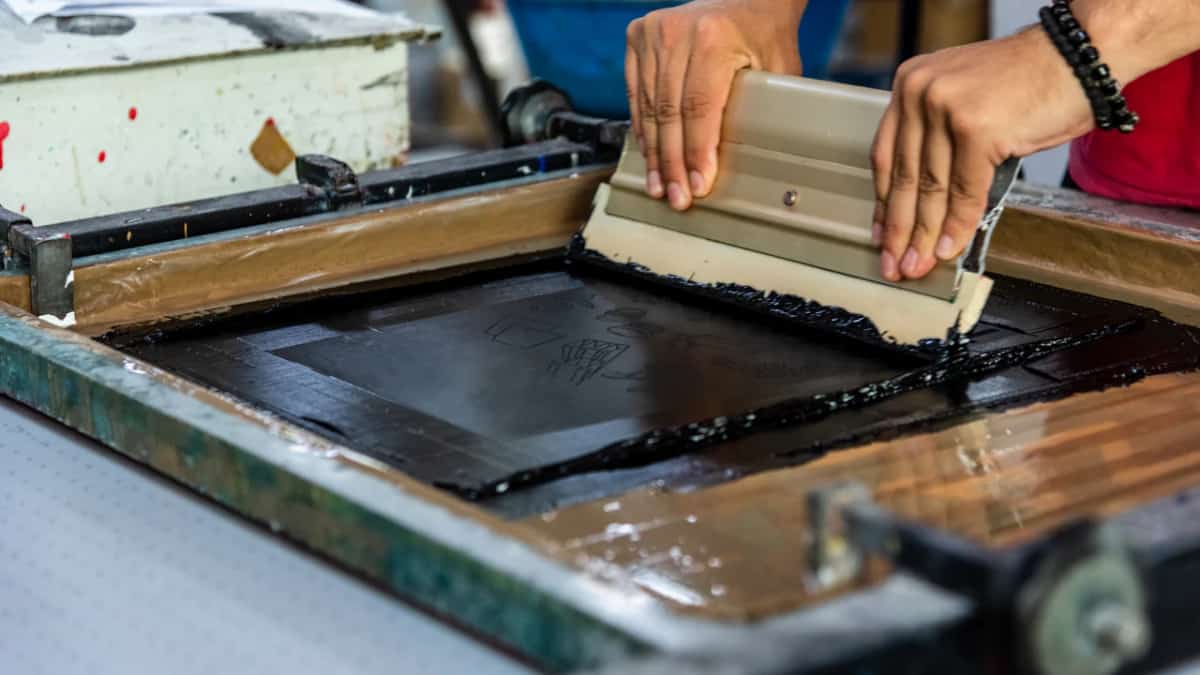
Bądźmy szczerzy: wysłanie ogromnego zamówienia do klienta w Berlinie lub Monachium i otrzymanie telefonu trzy dni później z informacją o „łuszczącej się farbie” to koszmar każdego drukarza. Na rynku niemieckim nikogo nie obchodzi, jak dobrze projekt wygląda na maszynie drukarskiej – jeśli nie przetrwa pierwszego cyklu mycia, to poniosłeś porażkę. Problem z utwardzaniem plastisol ink to nie tylko usterka techniczna; to zabójca biznesu, który pochłania Twoje marże i niszczy Twoją reputację.
Jeśli chcesz poznać sedno sprawy już teraz, oto ono: aby zapobiec nieutwardzeniu tuszu plastizolowego, musisz upewnić się, że cała warstwa tuszu – od powierzchni aż po włókna tkaniny – zostanie poddana temperaturze topnienia 160°C (320°F) przez co najmniej 15 do 20 sekund. Osiągnięcie tego poziomu pozwoli Ci wyeliminować problemy z wypłukiwaniem, przestać marnować pieniądze na rachunki za energię elektryczną suszarki i sprawić, by certyfikaty OEKO-TEX® były naprawdę ważne.
At ECOPRINTINKPrzeszliśmy setki hal produkcyjnych. Widzieliśmy te same błędy od Stuttgartu po Hamburg. Oto jak je naprawiamy.
Table of Contents
Chemia: Dlaczego „suchy” nie jest tym samym co „utwardzony”
Największą pułapką jest myślenie, że skoro tusz nie jest lepki, to już po nim. Plastizol to w zasadzie płynny plastik (żywica PVC i plastyfikator). Nie „wysycha” przez parowanie jak tusz na bazie wody. On się „łączy”.
Gdy tusz osiągnie magiczną temperaturę 160°C, cząsteczki żywicy pęcznieją i wchłaniają plastyfikator. Tworzą jedną, twardą, elastyczną powłokę. Jeśli osiągniesz tylko 145°C, tusz pozostaje „niedostatecznie utrwalony”. Na taśmie wygląda dobrze, ale w momencie kontaktu z pralką wiązanie pęka, a wzór dosłownie odpada z koszulki. To najczęstsza przyczyna. problem z utrwalaniem sitodruku z którymi spotykamy się podczas audytów.
Bariera termiczna
Wyobraź sobie warstwę tuszu jak stek. Możesz przypiec zewnętrzną powierzchnię, podczas gdy wnętrze jest jeszcze surowe. Większość drukarni używa pirometru laserowego do pomiaru temperatury. Problem? Ten laser odczytuje tylko powierzchnię. Jeśli drukujesz gęstą, „puszącą się” farbą lub ciężką, białą warstwą bazową, „rdzeń” farby może być o 20 stopni chłodniejszy niż wierzch.
Dlaczego niemieckie normy produkcji zmieniają zasady gry
Niemcy stawiają pewne konkretne przeszkody, które ignoruje wielu międzynarodowych przewodników.
1. Współczynnik wilgotności
Klimat Niemiec bywa wilgotny. Jeśli Twoje bawełniane koszule leżą w magazynie w dolinie Renu, chłoną wilgoć. Kiedy koszula trafia do suszarki, ciepło marnuje się na odparowanie wody z tkaniny, zanim jeszcze zacznie nagrzewać się tusz.
- Wgląd w dane: Dane techniczne AATCC pokazują, że wysoka zawartość wilgoci może opóźnić rozpoczęcie procesu utwardzania nawet o 10 sekund. Należy dostosować prędkość taśmy, aby zrekompensować „mokre” ubrania.
2. Wysokie koszty energii
Porozmawiajmy o najważniejszym: cenach prądu. Kuszące jest zwiększenie prędkości taśmy, żeby zaoszczędzić na liczniku. Ale „szybko i na gorąco” to przepis na katastrofę. Suszenie w suszarce o temperaturze 190°C, żeby utrwalić tusz w 10 sekund, zazwyczaj przypala tkaninę i pozostawia rdzeń tuszu niedoschnięty.
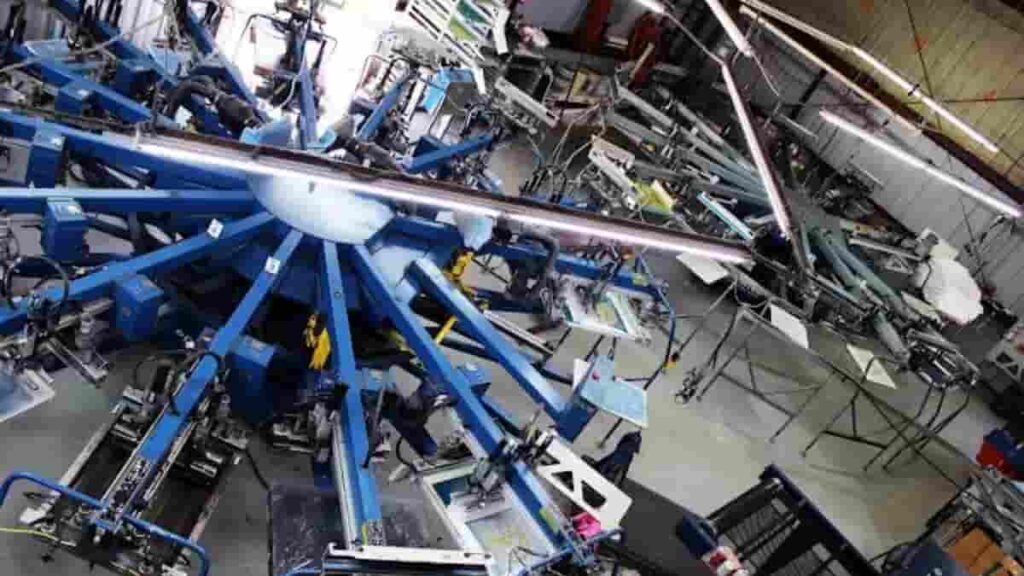
Diagnozowanie problemu utwardzania tuszu plastizolowego
Zanim zaczniesz majstrować przy ustawieniach, musisz dokładnie wiedzieć, co jest nie tak. W ECOPRINTINK korzystamy z tej tabeli diagnostycznej do rozwiązywania problemów z liniami klienckimi:
| Objaw | Prawdopodobna przyczyna | Naprawa ekspercka |
| Tusz pęka, gdy rozciągasz koszulkę. | Niedostatecznie utwardzony rdzeń. | Zwolnij pas i zwiększ czas postoju. |
| Tusz jest kruchy i pęka jak krakers. | Nadmierne utwardzanie (zbyt duża ilość ciepła). | Niższa temperatura; sprawdź za pomocą sondy termicznej. |
| Biały tusz staje się szary lub żółty. | Migracja barwnika (w mieszankach polimerowych). | Stosuj tusze o niskim współczynniku prześwitu i niższe temperatury utwardzania. |
| Po ostygnięciu tusz jest lepki. | Migracja plastyfikatora. | Sprawdź zgodność tuszu z podłożem. |
Najlepsza praktyka: „Codzienna kalibracja”
Nie ufaj cyfrowemu wyświetlaczowi suszarki – one kłamią. Używaj sondy „Donut Probe” lub pasków termicznych raz w tygodniu. Te narzędzia przesuwają się przez suszarkę i tworzą rzeczywistą mapę ciepła. Jeśli Twoja suszarka ma „zimny punkt” po lewej stronie, zauważysz go, zanim stracisz klienta. Aby dowiedzieć się więcej na temat konserwacji sprzętu, przeczytaj nasz poradnik dotyczący konserwacji suszarek do drukarek.
Jak skonfigurować linię, aby zapewnić sukces 100%
Jeśli obecnie masz problem z utrwalaniem nadruku sitowego, wykonaj poniższe czynności, aby zresetować linię produkcyjną.
1. Kontroluj ilość tuszu
Im gęstszy tusz, tym trudniej go utrwalić. Jeśli nacisk rakla jest zbyt słaby lub siatka jest zbyt otwarta, na koszulkę wylewa się zbyt dużo tuszu. Używając odpowiedniego screen printing liczba oczek pozwala na nałożenie cienkiej, równomiernej warstwy, która szybko i równomiernie osiąga temperaturę łączenia.
2. Zoptymalizuj czas przebywania
Temperatura to tylko połowa sukcesu; druga połowa to czas. Zalecamy „czas przebywania” (czas w komorze termicznej) wynoszący co najmniej 60 sekund dla standardowych plastizoli. Jeśli potrzebujesz szybszego tempa, musisz przejść na technologię „Low-Cure”.
3. Użyj odpowiednich ustawień podłoża
Nadruk na bluzie z kapturem nie jest tym samym, co nadruk na koszulce o gramaturze 150 g. Gruby polar bluzy z kapturem działa jak gigantyczny radiator.
- Odniesienie: Producenci, tacy jak MHM (Machines Hautzmann), zalecają wydłużenie czasu kontaktu z tkaniną o co najmniej 20% przy zmianie z lekkiego materiału na gruby polar.
Studium przypadku: Rozwiązanie „problemu z poliestrem” w Stuttgarcie
Niedawno współpracowaliśmy ze średniej wielkości sklepem w Stuttgarcie, który przynosił straty na koszulkach sportowych. Ich biały tusz pękał, a niebieski barwnik na koszulce wnikał w nadruk.
Problem: Suszarka była ustawiona na 175°C, aby „wymusić” utwardzanie na szybkim pasie. To przypalało włókna poliestrowe i powodowało migrację barwnika, ale sam tusz nie utrzymywał się na koszulce.
Rozwiązanie: Zmieniliśmy je na naszą serię ECOPRINTINK o niskim utwardzaniu plastizolu. Obniżyliśmy temperaturę suszarki do 135°C i spowolniliśmy taśmę o 15%.
The Result: Niższa temperatura całkowicie zatrzymała migrację barwnika. Ponieważ taśma była wolniejsza, atrament miał wystarczająco dużo czasu na prawidłowe utrwalenie w temperaturze 135°C. Ich wskaźnik powrotu spadł z 8% do zera.
Prawidłowe zarządzanie lepkością tuszu podczas tej zmiany było również kluczem do zachowania ostrości wydruku.
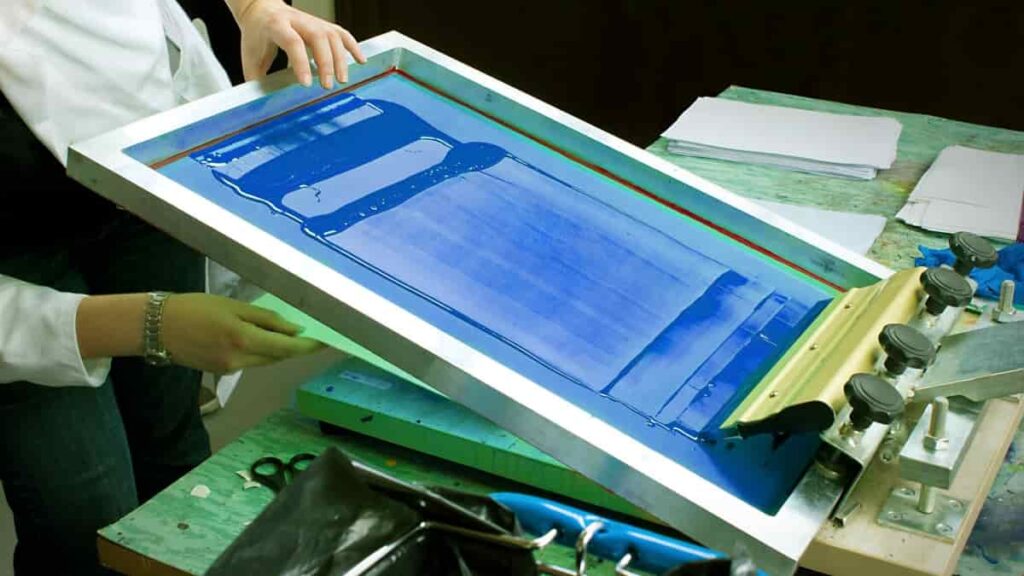
Najczęściej zadawane pytania ekspertów: Rozwiązywanie frustracji
Q1: Czy mogę po prostu użyć lampy błyskowej do całkowitego wypolerowania koszulek i pominąć suszenie w suszarce?
Naprawdę? Nie rób tego. To najszybszy sposób na uzyskanie zwrotu pieniędzy. Lampy błyskowe są zaprojektowane do szybkiego „nałożenia na skórę”, aby można było uzyskać kolejny kolor – szczególnie ważne w przypadku pasowania wielobarwnego. Zapewniają one intensywne, krótkotrwałe nagrzewanie. Próbując uzyskać pełne utrwalenie, prawdopodobnie przypalisz tkaninę lub „przypieczesz” wierzchnią warstwę farby, podczas gdy spód pozostanie surowy. Nazywamy to „efektem crème brûlée” – chrupiąca na wierzchu, papkowata od spodu. Do ostatecznego utrwalenia użyj suszarki taśmowej.
Q2: Dlaczego czarny tusz dobrze się utwardza, a biały się odkleja?
To podstawowa fizyka, ale zaskakuje każdego dnia. Czarny tusz jest magnesem termicznym; pochłania fale podczerwone i szybko osiąga temperaturę topnienia. Biały tusz działa jak lustro. Odbija ciepło. Jeśli drukujesz mocno biały tusz z tą samą prędkością taśmy, co w przypadku ciemnych kolorów, prosisz się o problem z utrwalaniem farby plastizolowej. Musisz zwolnić tę taśmę, aby dać białemu tuszowi czas na faktyczne „pochłonięcie” ciepła.
Q3: Czy „przeutwardzanie” jest rzeczywiście zjawiskiem, czy też lepsze jest zawsze użycie większej ilości ciepła?
Więcej ciepła zdecydowanie nie jest lepsze. Jeśli przegrzejesz plastizol, w zasadzie wygotujesz plastyfikatory, które nadają farbie elastyczność. Skutek? Wydruk staje się kruchy i pęka jak suchy krakers podczas rozciągania. Ponadto, jeśli pracujesz na podłożach do druku tekstyliów poliestrowych, nadmierne ciepło powoduje migrację barwnika. Jeśli farba w dotyku przypomina twardy plastik, a nie elastyczną folię, to znaczy, że posunąłeś się za daleko.
Q4: Jak mogę sprawdzić, czy mój tusz jest utwardzony, jeśli nie mam specjalistycznego laboratorium?
„Skręt kciukiem” to nasz ulubiony trik z dawnych lat. Zaraz po zdjęciu koszulki z paska, mocno dociśnij kciuk do gorącego tuszu i mocno go przekręć. Jeśli się rozmazuje lub powierzchnia się rozrywa, to znaczy, że nie osiągnąłeś jeszcze punktu żelowego. Dla prawdziwego testu poczekaj, aż koszulka ostygnie i przeprowadź „test rozciągania”. Jeśli tusz pęka i nie wraca do pierwotnego kształtu albo jeśli przez pęknięcia widać włókna koszulki, jest ona niedostatecznie utwardzona.
Q5: Czy niedostateczne utwardzenie ma wpływ na certyfikat OEKO-TEX®?
Zdecydowanie. To jest problem „niewidzialnego” utrwalania sitodruku. Jeśli tusz nie jest całkowicie utrwalony, cząsteczki nie są prawidłowo połączone. Podczas prania w laboratorium lub testu kontaktu ze skórą, te „luźne” niereagujące substancje chemiczne mogą się wypłukać. Możesz mieć najbezpieczniejszy tusz na świecie (taki jak nasza linia ECOPRINTINK), ale jeśli nie zostanie on prawidłowo utrwalony, nie spełni on rygorystycznych wymogów bezpieczeństwa wymaganych przez niemieckich sprzedawców detalicznych zgodnie z normą ISO 105-C06.
Ostatnie przemyślenia dotyczące hali produkcyjnej
Różnica między „sklepem hobbystycznym” a profesjonalną niemiecką fabryką to dane. Przestań zgadywać. Jeśli masz problem z utrwalaniem się farby plastizolowej, zwróć uwagę na czas schnięcia i temperaturę rdzenia. W ECOPRINTINK wierzymy, że najlepszy tusz na świecie jest tak dobry, jak suszarka, przez którą przechodzi.
Zainwestuj w sondę, zwolnij tempo na pasku w przypadku białych baz i zawsze wykonuj pranie próbne. Twoja reputacja – i konto bankowe – będą Ci wdzięczne.
 EN
EN  PT
PT  ES
ES  DE
DE  FR
FR  IT
IT  JA
JA  PL
PL