
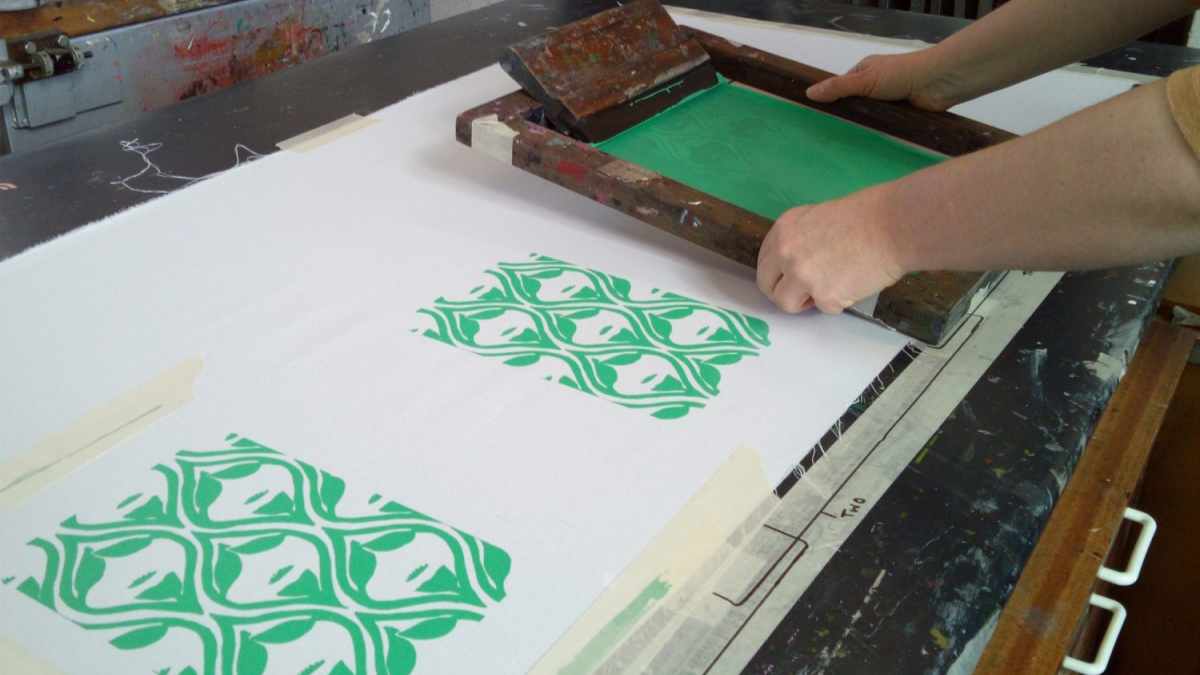
Jeśli chcesz prowadzić drukarnię wielkonakładową w Niemczech, nie martwiąc się o ciągłe kontrole, musisz przejść na farbę plastizolową OEKO TEX. ECOPRINTINK, zauważyliśmy, że „sekret” sukcesu niemieckich producentów nie polega tylko na designie, ale na zgodności. Przechodząc na certyfikowany screen printing ink, chronisz swoją firmę przed ogromnymi karami, zmniejszasz rachunki za energię dzięki niższym temperaturom utwardzania i wreszcie zdobywasz kontrakty z dużymi sprzedawcami detalicznymi w UE, które wymagają całkowitego bezpieczeństwa.
Table of Contents
Dlaczego rynek niemiecki nie igra z przestrzeganiem przepisów
Bądźmy szczerzy: drukowanie w Niemczech oznacza konieczność stawienia czoła najsurowszym inspektorom na świecie. Niezależnie od tego, czy chodzi o niemiecki Kodeks Żywnościowy i Paszowy (LFGB), czy o restrykcyjne unijne przepisy REACH, margines błędu jest zerowy. Współpracowaliśmy z kilkoma drukarniami w centrach przemysłu tekstylnego, takich jak Saksonia, które przekonały się o tym na własnej skórze. Jeden z klientów miał całą przesyłkę eksportową skonfiskowaną i dosłownie spaloną, ponieważ losowy test wykazał obecność zabronionych ftalanów w farbie.
Kiedy używasz tusz ekologiczny plastizolowy Posiadając etykietę OEKO-TEX® Standard 100, nie kupujesz tylko tuszu – kupujesz polisę ubezpieczeniową. Informuje ona Twoich klientów, że wszystko w tym wiaderku, od pigmentów po żywice, zostało sprawdzone w laboratorium i dopuszczone do użytku przez ludzi.
Krajobraz zgodności w skrócie
| Regulacja | Co właściwie obejmuje | Dlaczego ma to znaczenie dla Twojego wyniku finansowego |
| OEKO-TEX Standard 100 | Ponad 1000 substancji chemicznych (metale ciężkie itp.) | To jest „złoty standard”, którego naprawdę szukają Twoi klienci. |
| REACH (załącznik XVII) | Prawne limity substancji chemicznych w UE | Bez tego nie możesz legalnie sprzedawać swoich ubrań w Niemczech. |
| ZDHC (poziom 3) | Brak niebezpiecznych substancji chemicznych | Wymagane, jeśli chcesz dostarczać produkty takim markom jak Adidas czy Zalando. |
Opinia eksperta: Dlaczego nasz plastizol jest lepszy od plastizolu na bazie wody w przypadku dużych przebiegów
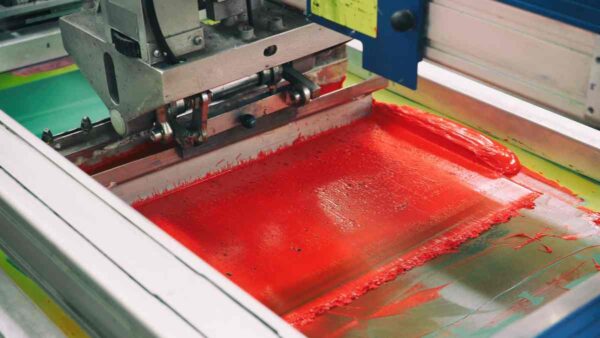
Panuje powszechny mit, że jeśli chcesz być „zielony”, musisz używać farb na bazie wody. Ale jeśli prowadzisz ruchliwy zakład w Stuttgarcie, wiesz, że farby na bazie wody mogą być prawdziwym koszmarem. Wysychają na sitach podczas przerwy, zatykają drobne oczka, a krycie na ciemnym poliestrze często jest żartem.
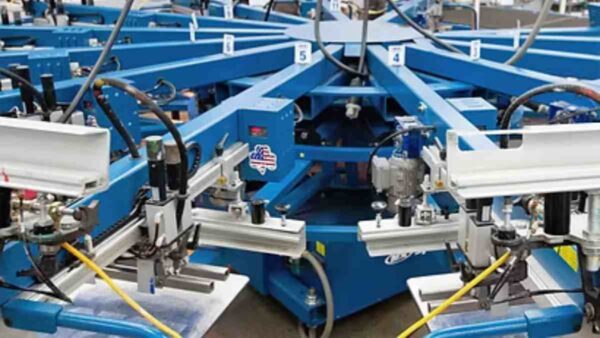
Pchamy nasze Tusz plastizolowy OEKO TEX Ponieważ zapewnia produktywność „pozostającą otwartą”, dzięki której warto mieć maszyny zautomatyzowane. Pozostaje wilgotny w sicie przez cały dzień, ale szybko utwardza się w suszarce. Otrzymujesz szybkość tradycyjnego plastizolu, ale bez toksycznej reputacji tradycyjnych chemikaliów.
Expert Tip: Aby uzyskać najlepsze rezultaty, zalecamy: tusze plastizolowe bez ftalanów przeznaczone do druku „mokro na mokro”. Pozwala to pominąć utwardzanie błyskowe między poszczególnymi stanowiskami, co może z łatwością zwiększyć liczbę drukowanych elementów na godzinę o 15%.
Dane dotyczące wydajności: obniżanie kosztów w warsztacie
W Niemczech, gdzie ceny prądu mogą nadszarpnąć marże, temperatura utwardzania jest kluczowa. Tradycyjne tusze wymagają dużo ciepła, ale nasze certyfikowana farba sitodrukowa jest przeznaczony do utwardzania w niższych temperaturach (około 135°C-140°C).
- Zużycie tuszu: Ponieważ nasze tusz ekologiczny plastizolowy wykorzystuje wysokoskoncentrowane pigmenty organiczne, dlatego zazwyczaj potrzeba o 10–12% mniej tuszu, aby uzyskać solidną białą bazę, niż w przypadku taniego, „wypełnionego” tuszu.
- Oszczędność energii: Obniżenie temperatury suszarki o 20°C może wydawać się niczym szczególnym, ale w ciągu roku pracy na dwie zmiany oznacza to oszczędność rzędu tysięcy euro na rachunku za media.
- Odporność na pranie: Testowanie w Instytut Hohensteina pokazuje, że tusze te wytrzymują ponad 50 cykli w temperaturze 60°C, co jest dokładnie tym, czego oczekują niemieccy klienci produkujący odzież roboczą.
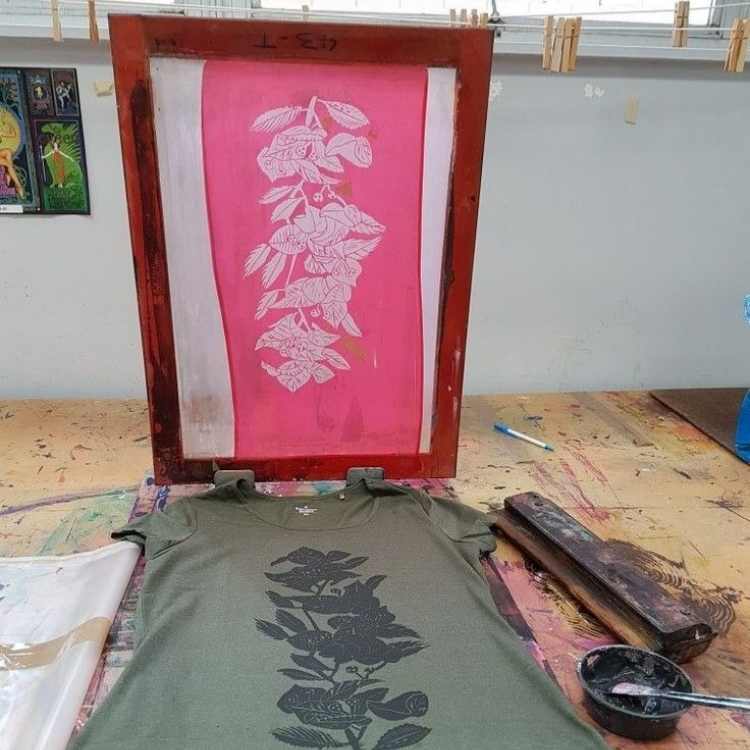
Jak zacząć: 3-etapowa transformacja
Pomogliśmy dziesiątkom sklepów dokonać zmiany ECOPRINTINKOto, jak sugerujemy zacząć:
- Sprawdź swoją siatkę: Te tusze są rafinowane. Sugerujemy użycie siatki o gęstości od 62 do 90 T dla uzyskania optymalnej równowagi między płynnością a kryciem.
- Test „pączka”: Nie ufaj cyfrowemu odczytowi suszarki. Użyj sondy termicznej, aby upewnić się, że sam tusz osiąga odpowiednią temperaturę. Więcej informacji na ten temat znajdziesz w naszym poradniku [optymalizacja temperatur utwardzania w prasach automatycznych].
- Przeprowadź audyt swoich substancji chemicznych: Upewnij się, że Twój płyn do spryskiwaczy również spełnia wymogi. Często polecamy nasze [rozwiązania do wykańczania tekstyliów] – środki czyszczące, które nie naruszą Twojego statusu OEKO-TEX.
Studium przypadku: Rozwiązanie problemu „krwawiącego” bólu głowy w Monachium
Jeden z naszych klientów, marka odzieży sportowej z Monachium, tracił 20% swoich poliestrowych koszulek z powodu „migracji barwnika” — kolor tkaniny mieszał się z białym tuszem, zmieniając jego barwę na brudnoróżową.
Przeszliśmy na farbę plastizolową Eco o wysokiej kryciu i niskim rozlewaniu. Dzięki zastosowaniu specjalistycznego podkładu i niższym temperaturom utwardzania zapobiegliśmy ulatnianiu się barwników z tkaniny. Możesz przeczytać pełną analizę [jak marka odzieży sportowej z Monachium zmniejszyła liczbę zwrotów o 20% dzięki certyfikowanym farbom].
Zrozumienie technicznej strony [zrozumienia standardów Reach i Oeko-Tex dla tekstyliów] okazało się kluczem do naprawy linii produkcyjnej i uratowania reputacji wśród odbiorców detalicznych.
FAQ: O co tak naprawdę pytają nas producenci
Q1. Czy mogę zmieszać tusz OEKO-TEX ze starym tuszem, który mam w sklepie?
Słuchaj, po prostu tego nie rób. Widziałem sklepy próbujące „wyczerpać” swoje zapasy, mieszając je z certyfikowaną farbą sitodrukową, i zawsze kończyło się to bólem głowy. Jeśli je zmieszasz, cała partia jest natychmiast zanieczyszczona. Jeśli niemiecki audytor pobierze próbkę z twojej linii produkcyjnej i znajdzie choćby śladowe ilości ftalanów objętych ograniczeniami w starej farbie, certyfikat OEKO-TEX na ścianie nic nie znaczy. Trzymaj sita, wiadra i szpatułki oddzielnie – to jedyny sposób na bezpieczeństwo.
Q2. Czy „Bez ftalanów” to to samo co OEKO-TEX?
Często to słyszę. Krótka odpowiedź brzmi: nie. „Bez ftalanów” to tylko jeden z elementów układanki. Pomyśl o OEKO-TEX jak o kompleksowym badaniu stanu zdrowia tuszu – sprawdza on obecność metali ciężkich, formaldehydu, a nawet pH, a nie tylko plastyfikatorów. Jeśli starasz się o kontrakt z dużą niemiecką marką, samo stwierdzenie, że tusz jest „bez ftalanów”, nie wystarczy; chcą oni zobaczyć pełne certyfikaty OEKO-TEX dla tuszu plastizolowego, aby zabezpieczyć się prawnie.
Q3. Dlaczego mój „eko” tusz nadal ma zapach, gdy jest w suszarce?
Szczerze mówiąc, to wciąż tusz przemysłowy, a nie świeca zapachowa. Jednak ten ciężki, ostry, „chemiczny” zapach starych plastizoli zniknął, ponieważ wyeliminowaliśmy lotne związki organiczne (LZO). Jeśli nadal czujesz nieprzyjemny zapach, w dziewięciu przypadkach na dziesięć suszarka jest za gorąca. Jeśli przypalasz tusz, niszczysz żywice. Ponieważ ten ekologiczny tusz plastizolowy utwardza się w niższej temperaturze, zmniejsz prędkość taśmy lub temperaturę – zaoszczędzisz energię i jednocześnie zadbasz o swój nos.
Q4. Czy ten tusz jest bezpieczny dla ubranek dziecięcych?
Oczywiście, ale należy sprawdzić „Klasę produktu”. W przypadku produktów przeznaczonych dla niemowląt (co nazywamy Klasą I), testy są bardzo rygorystyczne, ponieważ niemowlęta mają tendencję do gryzienia swoich koszulek. Większość naszych certyfikowanych linii farb do sitodruku z łatwością spełnia tę normę, ale zawsze dokładnie sprawdź dokumentację przed rozpoczęciem masowej produkcji pajacyków. Na rynku niemieckim „Klasa I” to złoty standard zaufania.
Q5. Czy „ekologiczny” oznacza, że wydruk będzie pękał lub łuszczył się szybciej?
Ciągle słyszę tę obawę od drukarzy starej daty – myślą, że skoro coś jest „bezpieczne”, to musi być słabe. To mit. W rzeczywistości, ponieważ żywice w tuszu plastizolowym OEKO TEX muszą być wyższej jakości, aby przejść certyfikację, często… more Elastyczny i trwały niż tanie, „wypełniane” tusze z przeszłości. Jeśli odpowiednio go utrwalisz, nadruk z łatwością przetrwa dłużej niż samo ubranie, nawet w agresywnych cyklach prania w temperaturze 60°C, które uwielbiają niemieccy klienci.

 EN
EN  PT
PT  ES
ES  DE
DE  FR
FR  IT
IT  JA
JA  PL
PL