
Table of Contents
Si vous gérez une usine à haut volume de production, la pression pour adopter des pratiques plus écologiques n'est plus une simple suggestion du service marketing : c'est une obligation incontournable pour rester dans la chaîne d'approvisionnement mondiale. La plupart des grandes marques de vêtements renforcent leurs exigences en matière de conformité, ce qui place souvent les responsables des achats face à un dilemme : choisir entre protection de l'environnement et rapidité de production.
Allons droit au but : l’encre plastisol moderne favorise pleinement une production de masse durable. La solution consiste à abandonner les anciennes formules riches en phtalates et à opter pour des systèmes d’encre plastisol sans phtalates ni PVC. Concrètement, ce changement permet à votre usine de maintenir la haute productivité de ses presses automatiques tout en respectant les normes de sécurité strictes imposées par ZDHC et OEKO-TEX®.
Lorsque vous optez pour une performance élevée eco-friendly screen printing ink En optant pour des solutions alternatives à base d'eau, vous vous épargnez bien des tracas. Fini les filtres constamment obstrués, vous réduisez considérablement votre consommation d'eau lors du nettoyage et vous constatez une nette amélioration de la durée de conservation de vos produits.
La réalité de la conformité à la production de masse
Pour les acheteurs techniques des grandes usines textiles, la durabilité se résume à respecter les listes de substances réglementées (RSL). Nike, Adidas et H&M exigent de tous leurs fournisseurs qu'ils respectent les normes ZDHC. Sans exception.
Les premières encres plastisol ont souffert d'une mauvaise réputation. Ces formules traditionnelles contenaient beaucoup de PVC et de phtalates. Mais en tant que fabricant d'encre pour sérigraphieNous avons constaté une évolution majeure dans la conception de ces produits chimiques. L'encre plastisol utilisée aujourd'hui pour la sérigraphie emploie des plastifiants sûrs et non toxiques, bien plus respectueux de l'environnement.
L'objectif est d'éliminer les produits chimiques dangereux tout au long du cycle de vie des textiles. En optant pour une encre plastisol conforme aux normes, vous répondez à ces exigences internationales sans avoir à investir des sommes considérables dans la refonte de vos installations de séchage et de polymérisation.
Stabilité de production : Plastisol vs. à base d'eau
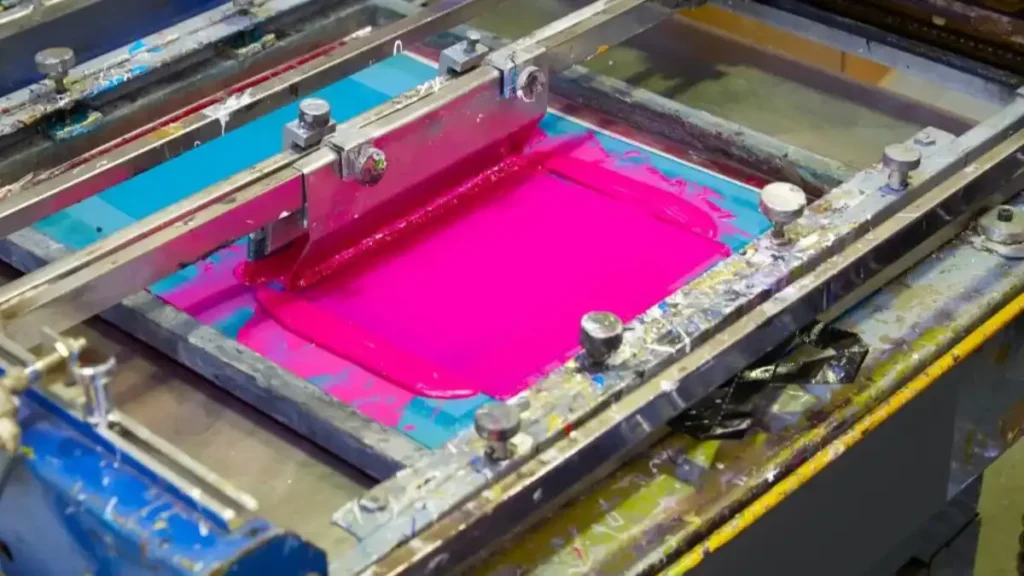
Il est courant, chez les responsables d'usine, de croire à tort que l'encre à base d'eau est la seule option écologique. En production à haut volume, ce n'est généralement pas le cas. Les encres à base d'eau sèchent instantanément au contact de l'air. Dans une usine humide, avec un cycle de 12 heures, le filtre se bouche rapidement.
Vous finissez par devoir constamment vous arrêter pour nettoyer les écrans. Cela perturbe votre planning et gaspille des milliers de litres d'eau.
Le plastisol réagit différemment : il nécessite de la chaleur pour durcir. Cette stabilité à écran ouvert permet à l’encre de rester humide sur la presse pendant les pauses déjeuner et les changements d’équipe.
Durabilité grâce aux données d'efficacité :
- Consommation d'eau : Le plastisol nécessite très peu d'eau pour le nettoyage, contrairement aux systèmes à base d'eau qui sont salissants.
- Économies d'énergie : Les nouvelles formules d'encre plastisol blanche permettent un séchage instantané à 280 °F (138 °C) au lieu de l'ancienne température de 320 °F (160 °C).
- Réduction des taux de rebut : Comme l'encre ne sèche pas dans la maille, les « erreurs d'impression » dues aux écrans obstrués diminuent jusqu'à 15% dans les grandes séries.
Meilleure pratique : La stratégie du « faible traitement ».
L'un des moyens les plus astucieux d'améliorer la durabilité dans une usine est d'utiliser des procédés de polymérisation à basse température. white plastisol ink Sur chaque ligne. Baisser la température de votre sèche-linge de seulement 20 ou 30 degrés peut réduire votre facture d'électricité annuelle de 5 %. De plus, cela empêche la migration des couleurs sur le polyester, ce qui signifie que vous aurez beaucoup moins de chemises abîmées en fin de journée.
Spécifications techniques pour l'approvisionnement
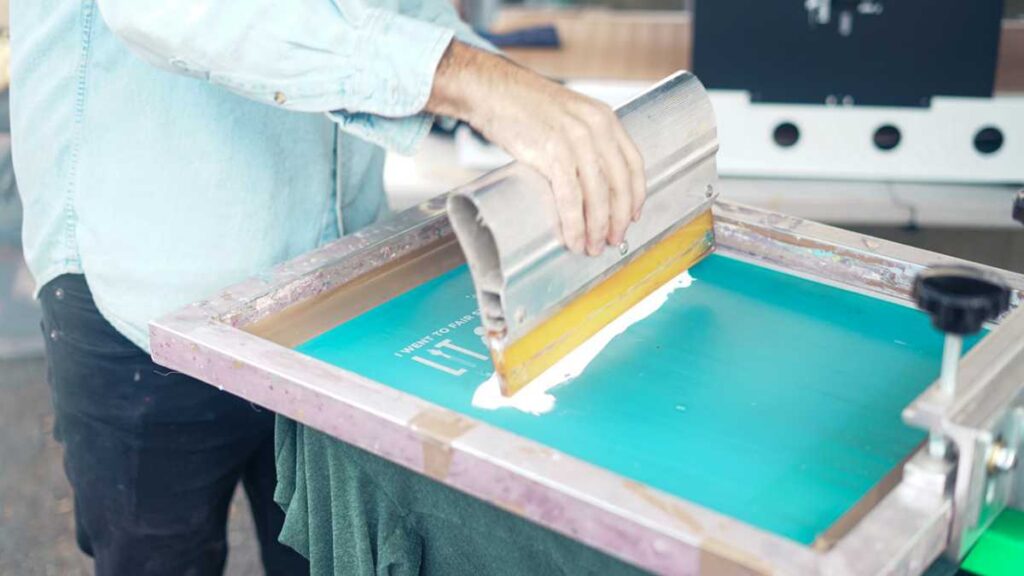
Lors de l'évaluation d'un fabricant d'encre de sérigraphie, ne vous contentez pas de regarder le prix au kilo. Il est essentiel d'étudier attentivement les fiches techniques (FT) pour vous assurer d'une couverture complète à l'échelle mondiale.
| Métrique technique | Norme industrielle | Performances ECOPRINTINK |
| Phthalates | < 1000 ppm (CPSIA) | Non détectable (0%) |
| Résistance au lavage | Plus de 50 cycles à 60 °C | Excellent (ISO 105-C06) |
| Curing Temp | 150°C – 160°C | 130°C – 140°C (Doux durcissement) |
| Opacity | Couverture élevée | Élevée (Consomme moins d'encre) |
| durée de conservation | 12 à 24 mois | 24 mois |
Pour les usines fabriquant des vêtements ou des équipements sportifs haut de gamme, travailler avec un fabricant d'encres spécialisées permet d'accéder à des encres réfléchissantes ou haute densité qui réussissent tous les tests écologiques.
S'attaquer de front au gaspillage d'encre
En production de masse, le gaspillage d'encre représente un coût caché considérable. Les encres à base d'eau traditionnelles ont une durée de vie en pot très courte une fois les catalyseurs ajoutés. Si l'on prépare 50 kg d'encre mais qu'on n'en utilise que 40 kg, les 10 kg restants finissent généralement en déchets dangereux car ils durcissent dans le récipient.
Avec ECOPRINTINK, nos formules plastisol ne se dégradent pas dans le récipient. L'encre restante sur l'écran peut être récupérée dans le pot et réutilisée pour la prochaine impression. On obtient ainsi un système quasi-fermé, où votre usine ne génère pratiquement aucun déchet liquide.
« L’industrie textile est responsable de 201 030 milliards de tonnes de pollution mondiale de l’eau. » Source : Analyse textile du World Resources Institute (WRI).
En optant pour des technologies « à faible consommation d'eau » comme les plastisols avancés, vous faites un grand pas vers la conformité industrielle.
Stabilité au durcissement et résistance au lavage
La durabilité de l'impression est tout aussi importante que sa composition chimique. Si une impression « écologique » se décolle après quelques lavages, le vêtement finit à la décharge, ce qui est loin d'être durable.
Our screen printing plastisol ink Fabriqué à partir de résines de haute qualité qui adhèrent profondément au tissu, ce vêtement est un atout essentiel dans le monde de la « fast fashion », où les vêtements doivent résister à des lavages industriels répétés sans se décolorer ni se craqueler.
Meilleures pratiques : Les secrets du comptage des mailles
Pour une démarche encore plus écologique, essayez d'utiliser un maillage plus fin (jusqu'à 230 ou 305) lors de l'impression avec une encre plastisol blanche à haute opacité. Vous déposerez ainsi une couche d'encre plus fine tout en conservant une couleur éclatante. Le résultat offre un toucher doux, similaire à celui d'une encre à base d'eau, tout en réduisant votre consommation d'encre d'environ 201 TP3T.
Choisir un fournisseur de confiance
Dans le secteur B2B, un partenariat avec un fournisseur d'encre repose avant tout sur la gestion des risques. Si vous expédiez 50 000 t-shirts et qu'ils échouent à un test chimique, les pertes pourraient être catastrophiques pour votre entreprise.
Lorsque vous évaluez un fournisseur d'encre plastisol, assurez-vous qu'il propose :
- Certifications GOTS/OEKO-TEX® : Preuve que l'encre est sans danger pour tous, y compris les nourrissons.
- Cohérence des lots : Ainsi, votre « bleu marine » sera parfaitement assorti à chaque nouvelle commande.
- Assistance technique : Le fabricant devrait être disposé à vous aider à calibrer vos séchoirs pour obtenir les meilleurs résultats.
Chez ECOPRINTINK, nous nous concentrons sur la fourniture d'une solution d'encre de sérigraphie pour tissu qui permette à votre usine de rester rentable et conforme aux normes.
Résolution du problème de « colmatage de l'écran »
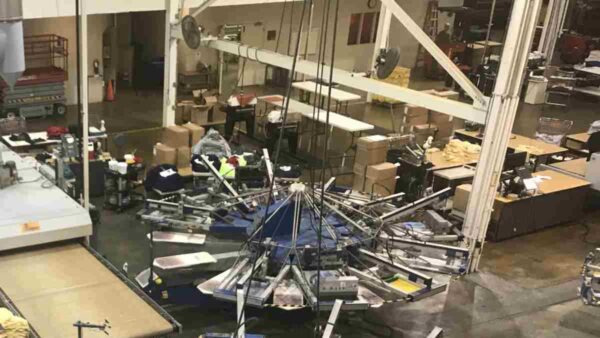
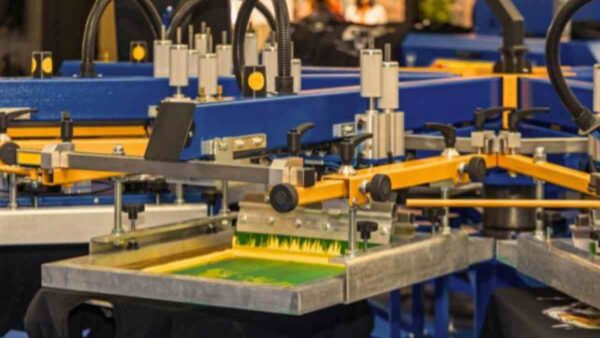
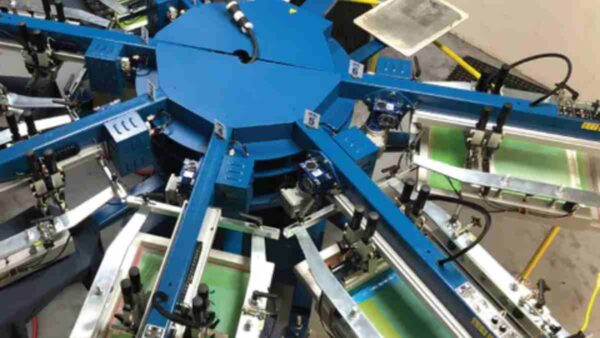
Dans un grand atelier, la panne d'une machine représente un coût considérable. Nous avons développé notre encre d'impression anti-colmatage spécialement pour les presses automatiques à grande vitesse. L'encre reste lisible sur l'écran pendant plusieurs jours, mais sèche instantanément au contact du séchoir. Cela simplifie l'ensemble du flux de production et facilite grandement la gestion de l'atelier.
FAQ
Q1. Comment prouvez-vous concrètement que votre encre est conforme ?
Nous fournissons la fiche de données de sécurité complète et les rapports de laboratoires tiers tels que SGS ou Intertek. Notre encre de sérigraphie écologique est conçue pour répondre aux exigences RSL les plus strictes, notamment la norme ZDHC MRSL 3.1.
Q2. Avons-nous besoin de nouveaux séchoirs pour le plastisol à basse polymérisation ?
Non. Vous pouvez utiliser vos séchoirs à convoyeur actuels. Il suffit de baisser la température. Cela préserve vos éléments chauffants et réduit vos factures d'énergie.
Q3. Quelle est la durée de conservation si nous achetons plus de 200 kg en une seule fois ?
Durée de conservation minimale de 24 mois. Ce procédé évite la sédimentation et le durcissement typiques des encres à base d'eau. Les commandes en gros permettent de réduire vos frais de transport en toute sécurité, sans risque de détérioration.
Q4. L'encre plastisol est-elle épaisse ou lourde au toucher sur les vêtements imprimés ?
Pas nécessairement. L'encre plastisol moderne permet d'obtenir des impressions beaucoup plus douces et légères que les impressions épaisses et plastifiées d'autrefois. Avec un dépôt d'encre adapté et une granulométrie plus fine, le rendu final peut être très proche d'une impression à base d'eau.
Q5. Le « coût par impression » est-il plus élevé qu’avec une encre à base d’eau ?
Dans de nombreux cas, le coût total de production est en réalité inférieur avec le plastisol. Vous économisez énormément d'eau, de main-d'œuvre (moins de nettoyage) et d'électricité. De plus, il n'y a aucun gaspillage d'encre car rien ne sèche dans le seau.
 EN
EN  PT
PT  ES
ES  DE
DE  FR
FR  IT
IT  JA
JA  PL
PL