
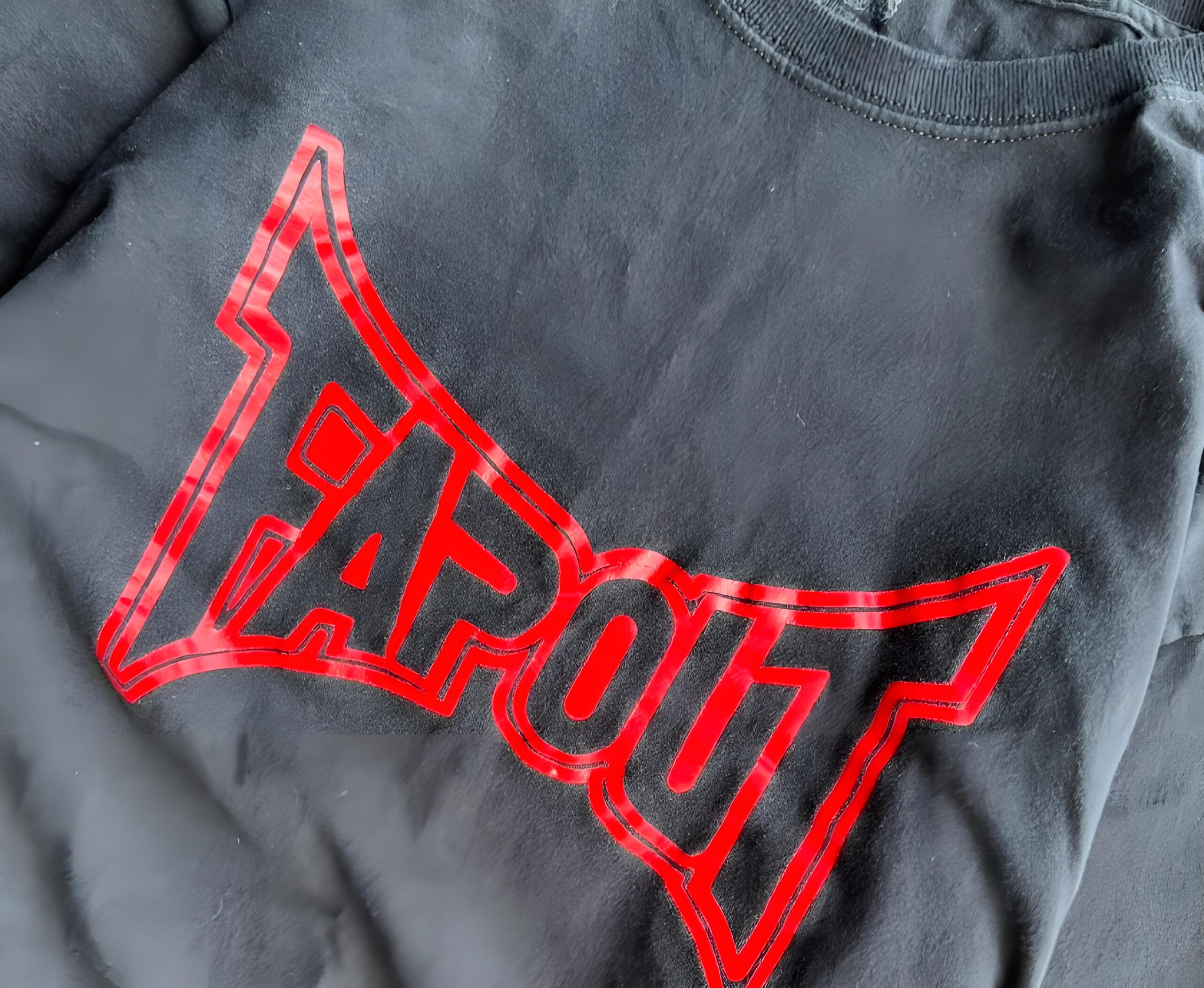
Are you prepared to convert your show print designs with colorful pink ink and tremendous treatment options? This whole guide unlocks the whole lot you want to recognize about plastisol ink, with a unique attention on the famous 7606 National Red. Perfect for show display screen printers, designers, and clothing manufacturers, this text is your one-forestall resource for reaching high-opacity outcomes, tackling low bleed on current-day clothes, and navigating the nuances of display, mesh, and dryer settings. We’ll additionally demystify the function of worldwide coatings, reducers, and components, so that you get the fine outcomes on every occasion you print. Whether you are handling a complicated polyester combination or in reality need your red plastisol ink to pop with maximum opacity, this weblog will offer you with real-worldwide advice and hints properly worth studying. Let’s roll up our sleeves and make your next display screen print challenge a masterpiece!
Table of Contents
1. What is Plastisol Ink and Why Does it Dominate Screen Print Shops?
Plastisol ink is a cornerstone for display printers across the globe. Unlike water-primarily based ink, plastisol ink sits atop the fabric, bearing in mind bold, colourful colors that pop, even on darker clothes. This particular assets is important for reaching an opaque end, making it a favorite in screen print stores aiming for excessive opacity and constant, professional results14.
But what exactly is plastisol ink? In essence, it’s a PVC-primarily based ink suspended in a plasticizer, designed to be clean to print and continue to be solid on monitors for prolonged periods. Its creamy and short-bodied nature means it is straightforward to print, produces a soft hand if used with minimal ink deposit, and is particularly acceptable to direct printing programs on more than a few fabrics, from cotton to polyester blends5. When cured on the right therapy temp, plastisol ink gives you a durable, wash-speedy image.
Moreover, due to its capacity to evolve to one of a kind printing strategies—consisting of moist-on-moist printing, print-flash-print, and high-velocity wet-on-wet—plastisol ink is in reality versatile. Whether you’re aiming for excessive overall performance colors or expanded production speeds, this is the ink that gets the process finished with fashion.
2.The Unique Magic of 7606 National Red: What Makes This Red Ink Stand Out?
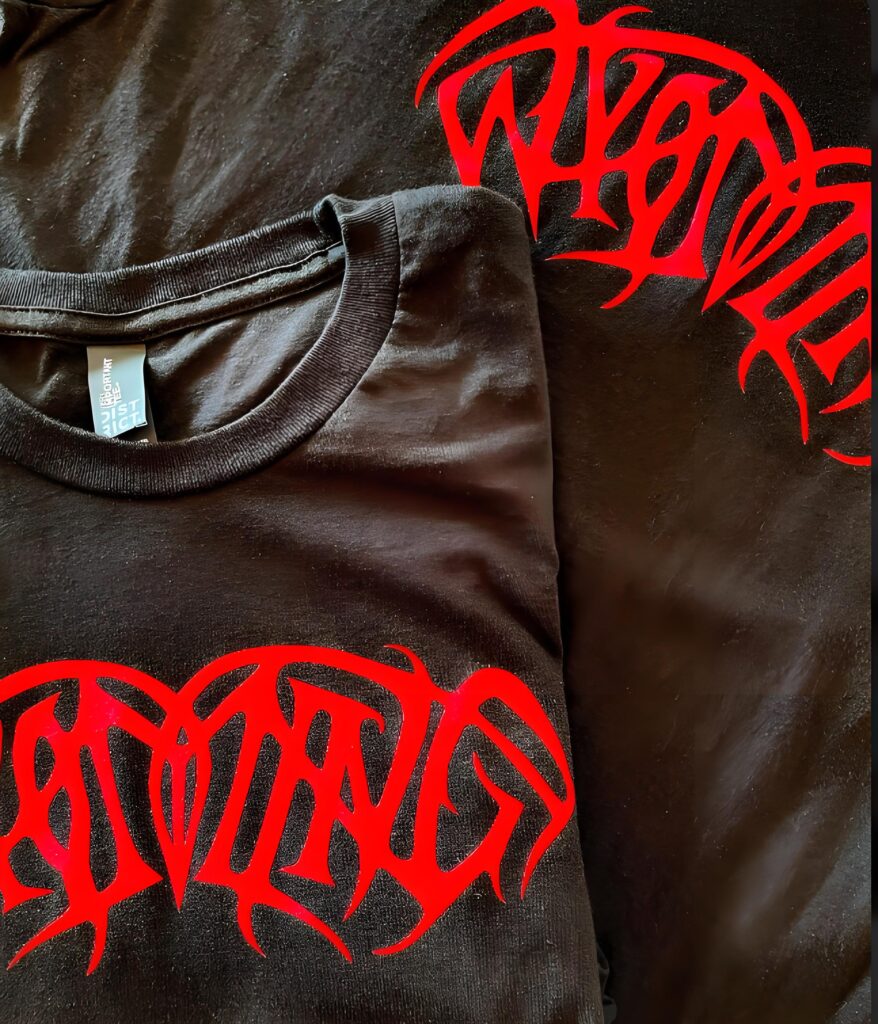
Let’s communicate purple—due to the fact no longer all reds are created same! The 7606 National Red is a legendary color inside the international of screen printing inks. Renowned for its high opacity and colourful colour, this red plastisol ink is formulated for direct printing on both light and dark clothes, such as complex polyester fabric wherein dye migration is a challenge. It’s specially potent towards the competition whilst printing on darkish fabric, maintaining its integrity and reducing bleed.
Why select 7606 National Red to your subsequent display screen print challenge? Apart from its bold, fascinating Pantone-like hue, it is meticulously engineered to provide a gentle hand experience with proper application. Plus, it’s part of the 7600 series plastisol inks from International Coatings—regarded for his or her excessive overall performance colours, consistency, and reliability in screen print manufacturing environments.
Importantly, this pink ink includes a non-phthalate method. That manner a more secure enjoy for printers, wearers, and the environment—without sacrificing color vibrancy or printability. If you demand the excellent results for corporate trademarks, sportswear, or style portions that require an unmistakable purple pop, the 7606 National Red grants every time.
3. How Does Cure Temperature Impact Ink Performance?
Curing is the name of the game sauce that takes your plastisol ink layout from fragile to permanent1. The procedure of treatment means heating the ink to the proper remedy temperature—typically 320°F (160°C)—to fuse the PVC and plasticizer molecules together. If you fail to remedy at the endorsed live time, your print may additionally crack, peel, or wash out after only some launderings.
However, knowledge therapy is more than simply hitting more than a few! The type of cloth, ink deposit, and thickness all play critical roles. Too excessive a cure temperature and also you risk melting polyester fibers or inflicting extended dye migration—which can flip your sharp purple ink into a murky mess. Too low? Your design really received’t face up to everyday use or the rigors of a wash take a look at.
Modern collection plastisol inks like 7606 National Red are formulated for finest therapy at wellknown display screen printing conditions however always test your manufacturer’s specifications. A dryer with adjustable settings and longer live time guarantees that even thicker or excessive-opacity prints are absolutely cured, securing ideal adhesion and durability.
4. Choosing the Right Screen, Mesh, and Emulsion for High Opacity Printing
Your display is the gateway for ink onto your garment, so deciding on the proper equipment is critical16. Start with a mesh remember that suits your plastisol ink’s viscosity and your opacity desires. Finer mesh counts (like 230 and above) work for exact prints however may additionally limit ink deposit, even as decrease mesh counts (round one hundred ten-156) permit you to lay down greater ink—essential for optimum opacity, in particular for dark fabrics5.
For 7606 National Red and different high-opacity inks, pair your mesh choice with a dependable emulsion and proper coating approach. The emulsion bureaucracy the stencil that defines the print vicinity, so follow an even, smooth coating for crisp area definition and constant ink transfer. Remember, the right emulsion additionally aids reclaim, ensuring your displays remaining longer and are simpler to smooth after every run.
Pay interest to screen tension and squeegee stress; too little, and your ink won’t transfer, too much, and you would possibly lose detail or reason excessive ink unfold. Good display protection, consisting of thorough press wash cycles, improves print longevity and stops accidental ink degradent from lingering among jobs.
5. Printing on Different Fabrics: Polyester, Sweatshirts, and Beyond
Not all garments are created same, and that’s particularly proper while printing with plastisol ink. Cotton, polyester, and blends every require slightly different methods for the best outcomes. With polyester and poly blends, dye migration poses a chief undertaking—in particular with lighter or greater colourful ink colorations like 7606 National Red.
To fight this, usually use an underneath-base on polyester and blend garments to save you the cloth dye from infiltrating your ink deposit. The below-base—regularly a white underbase plastisol ink—serves as a barrier, allowing the red plastisol ink to remain colourful and opaque on pinnacle. Sweatshirts, with their heavier weight and textured floor, can also require a thicker ink layer or a couple of passes (print-flash-print) to achieve a smooth hand and bold colour.
Utilizing international coatings designed for particular garment types or specialty additives can offer a extra dependable bond and enhance adhesion. Testing on a pattern garment is a clever circulate, particularly whilst switching cloth sorts. You don’t want surprises after a huge run!
6.Low Bleed and Dye Migration: How to Safeguard Your Garments
Low bleed technology is crucial for screen printers preventing dye migration on modern-day overall performance fabrics. What is low bleed? It’s an ink or additive formula that blocks or minimizes the movement of garment dyes into your plastisol ink at some point of the therapy process. Without it, your crisp pink ink can quickly end up an off-shade disappointment5.
When working with polyester or combined clothes, use a dedicated low bleed below-base beneath your 7606 National Red to protect towards dye migration, especially at better remedy temperatures. Screen printing inks, specifically the ones inside the 7600 collection, are regularly formulated with low bleed homes, however usually double-test. If your cure temp is simply too high or your dryer live time is immoderate, you inadvertently get worse dye migration, inspite of the proper ink!
Watch out for multiplied dye migration problems while including an excessive amount of reducer or other additives to the 7600 collection inks. Always follow the manufacturer’s recommendations for satisfactory overall performance and run a wash test on a pattern garment to confirm the colorfastness earlier than full manufacturing.
7.Red Plastisol Ink Application Tips for Vibrant Results
Want your red plastisol ink to grab attention? Focus on a few key printing variables. First, always use mesh and underbase combinations specifically recommended for high opacity results. A white underbase not only makes the red ink pop but also achieves a softer feel on the final product.
Use a squeegee with the right durometer for your ink type and screen mesh to control ink deposit. Too hard, and you’ll strip too much ink away; too soft, and you risk losing edge definition or causing tack issues. Plastisol ink thrives on a creamy and short-bodied formulation, making it easy to print, but don’t rush—steady passes and even pressure give you the best results.
Lastly, avoid direct sunlight and room temperature extremes while storing or using plastisol ink. Extreme heat or cold can upset the ink’s balance, causing issues with adhesion, curing, and final print quality.
8.TFlash Print, Underbase, and Wet-on-Wet Printing for Pro-Quality Prints
The combination of flash print and under-base techniques is game-changing for achieving high opacity and color vibrancy. Flash printing involves a quick partial cure after applying an underbase (often white plastisol ink), drying it just enough before laying down the top color—like 7606 National Red.
This multi-step process prevents ink bleed, strengthens adhesion, and helps maintain crisp detail on complex or textured garments. Wet-on-wet printing—where multiple colors are printed without flash curing between each—enables high speed production and smoother, softer prints thanks to the creamy, easy to print consistency of modern series plastisol inks.
Use mesh and squeegee best practices, and always conduct a print-flash-print cycle for tricky fabrics or multi-layer designs. The secret to professional results is tuning your process for the specific garment and print—garnering a soft hand, brilliant color, and unbeatable durability.

9.Additives, Reducers, and Tack: What You Need to Know
While plastisol ink is designed for top performance on its own, screen printers often look to additives and reducers to tweak consistency or tackle specific challenges. But beware: adding too much reducer can diminish opacity, thin the ink excessively, and even lead to increased dye migration problems, especially with the 7600 series inks like 7606 National Red.
Additives are sometimes used to reduce tack (stickiness), making the ink easier to print wet-on-wet or speed up high production runs. However, using much reducer or other additives outside manufacturer guidance can weaken adhesion, lower cure performance, or cause unpredictable results after printing.
To avoid ink degradent and achieve a softer hand on lighter garments, experiment with small test batches. Never compromise on your wash test, especially when adjusting your ink’s formulation. The right additives can deliver faster production speeds or unique finishes, but always balance performance with durability.
10.International Coatings and Formulating for Direct Printing
International Coatings is a trusted name among screen printers for high performance colors and specialty ink solutions. Their 7600 series plastisol screen printing inks—like 7606 National Red—are formulated for direct printing applications, offering consistent results for both seasoned professionals and newcomers alike.
Formulating for direct printing simplifies setup, streamlines production, and elevates print quality across diverse fabrics. The creamy and short-bodied consistency of these inks means they are easy to print, even for delicate graphics or detailed logos. Plus, direct printing with a quality under-base guarantees maximum coverage and reduces dye migration on dark or blended garments.
With international coatings, printers can rely on non-phthalate, eco-friendlier formulas that still deliver adhesion, opacity, and vibrant colors. Always use mesh, dryer, and squeegee recommendations from the manufacturer to achieve optimal print results and extend your ink’s shelf life—ideally using it within one year of manufacturing date.

 EN
EN  PT
PT  ES
ES