
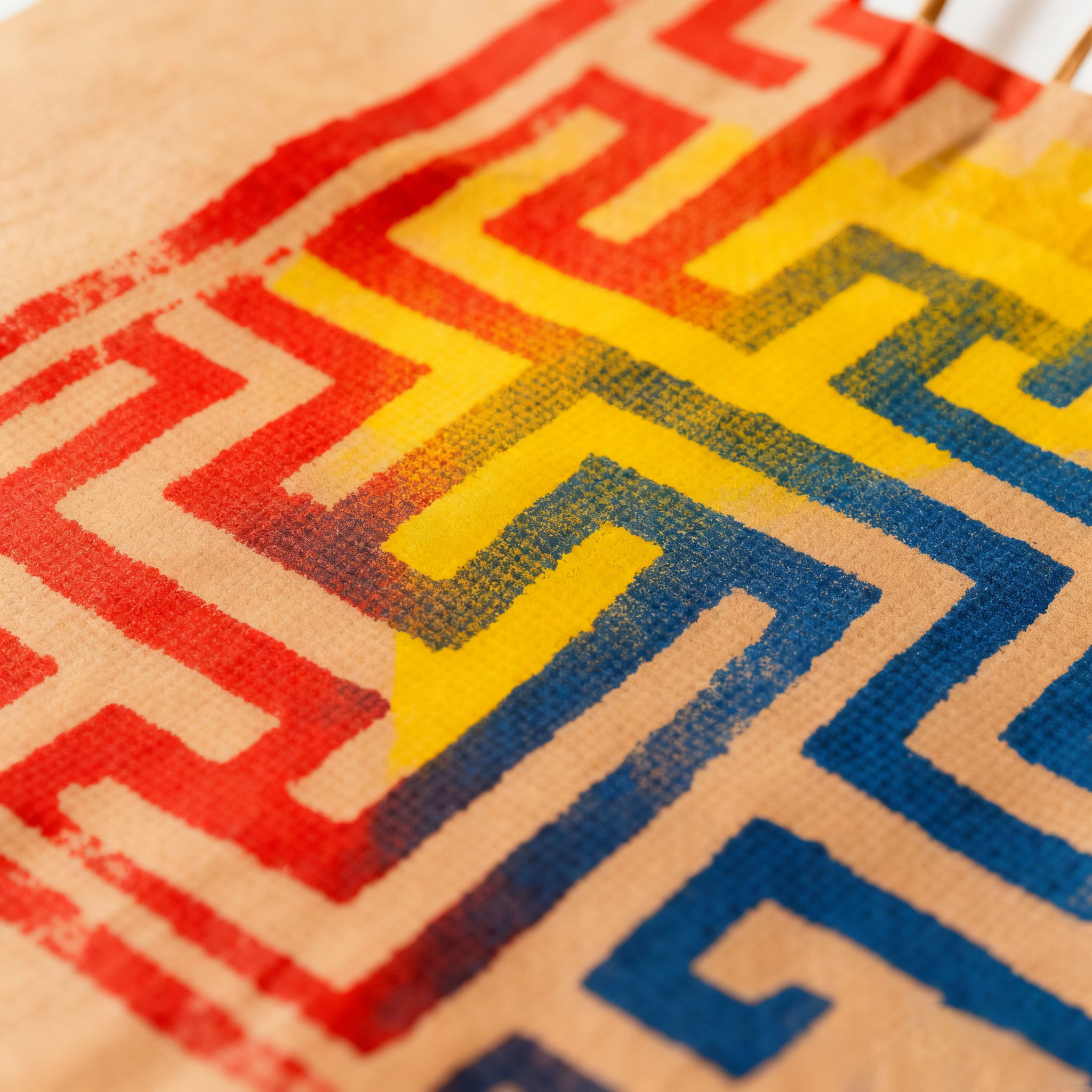
When people talk about screen printed tshirt, most beginners focus on the design first.
Experienced printers usually think about something else entirely :ink and fabric compatibility.
Get those two wrong, and even a perfect design won’t save the print.
This guide breaks it down the way shops across the US and Latin America actually do it.
Table of Contents
Why Ink & Fabric Matter More Than You Think
Not all tshirts behave the same under ink.
A cotton tee in California reacts differently than a blended shirt used for merch in Mexico or Brazil.
In screen printing tshirts, ink doesn’t just
It interacts with fibers, weave, thickness, and even how the shirt was pre-treated at the factory.
That’s why smart shops choose ink after they choose fabric.

Common Fabrics Used in Screen Printed tshirts
100% Cotton
Still the most popular option in the US and LATAM.
- Absorbs ink well
- Feels natural and soft
- Easy to cure properly
Most fashion brands prefer cotton when comfort matters.
Cotton-Poly Blends
Very common in promotional and sportswear.
- Ink sits closer to the surface
- Can feel slightly heavier
- Needs better curing control
Blends are affordable, but they’re less forgiving.
Heavier Cotton (180–220 gsm)
Often used for premium merch.
- Holds ink well
- Reduces cracking
- Slightly longer curing time
Popular with US streetwear brands and LATAM lifestyle labels.
Ink Choices for Screen Printing tshirts
This is where screen printing tshirts starts to split into different styles.
Water-Based Ink
- Soaks into the fabric
- Soft, breathable feel
- Best for fashion and retail tees
Great for cotton shirts sold in warmer climates like the US South or Latin America.
Plastisol Ink
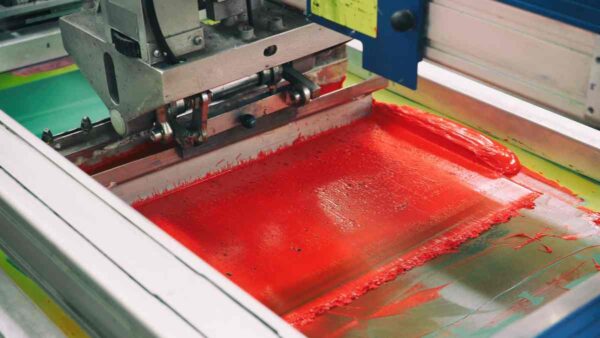
- Sits on top of the fabric
- Bold, bright colors
- Easier for long runs
Often used for team wear, events, and bulk orders.
Ink & Fabric Match Guide
| Fabric Type | Recommended Ink | Why It Works |
| 100% Cotton | Water-based ink | Soft feel, natural finish |
| Cotton-Poly Blend | Plastisol | Better coverage, stable curing |
| Heavy Cotton | Water-based or Plastisol | Depends on design thickness |
| Lightweight Cotton | Water-based ink | Prevents stiff prints |
Most US and LATAM shops keep both ink types on hand and choose per job.
Real-World Tips From US & LATAM Shops
- In humid regions, ink behaves differently—test before full runs
- Lighter shirts show ink flaws faster than dark ones
- Fabric quality matters more than brand name
- When in doubt, sample print first
In screen printing tshirts, testing saves money. Every time.

FAQ – Ink & Fabric Questions Printers Actually Ask
Q1: Can I use water-based ink on blends?
A: Yes, but results vary. Expect less absorption and adjust curing carefully.
Q2: Why does the same ink feel different on two shirts?
A: Fabric weave and fiber mix change how ink settles.
Q3: Which ink lasts longer on cotton?
A: Both can last—curing matters more than ink type.
Q4: Is heavier fabric always better?
A: Not always. It depends on comfort and target market.
Q5: Should beginners stick to one ink type?
A: Yes. Learn one well before switching.
Final Thoughts
When it comes to screen printing tshirts, great prints don’t come from luck.
They come from understanding how ink and fabric work together.
Shops across the US and Latin America that grow consistently all do one thing right:
they match the ink to the shirt—not the other way around.
Get that right, and everything else becomes easier.

 EN
EN  PT
PT  ES
ES  DE
DE  FR
FR  IT
IT  JA
JA  PL
PL