
Table of Contents
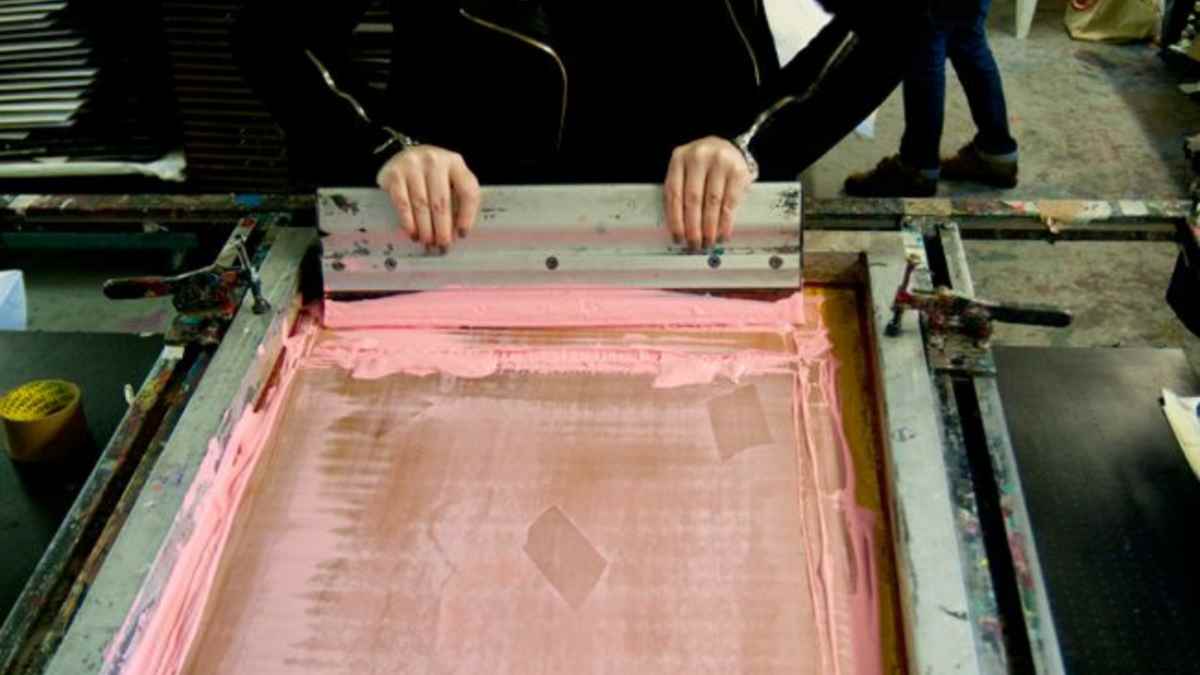
Sprechen wir über den „weißen Elefanten“ in Ihrer Druckerei. Nein, es ist nicht der kaputte Trockner, den Sie schon lange reparieren wollten. Es sind die versteckten Kosten der Tinte, die in Ihren Sieben lagert.
Wer in London, Manchester oder irgendwo in Großbritannien eine Siebdruckerei betreibt, weiß, wie angespannt die Lage ist. Angesichts der schwankenden Energiepreise und der steigenden Lohnkosten zählt jeder Cent. Ich habe jahrelang in der Druckerei gearbeitet und immer wieder denselben Fehler beobachtet: Drucker kaufen den billigsten Farbeimer, den sie finden können, in der Annahme, dadurch Geld zu sparen.
Spoiler-Alarm: Das stimmt nicht. Im Gegenteil, sie machen meistens massive Verluste.
Ich bin hier, um Ihnen zu zeigen, warum „teure“ Tinte tatsächlich Ihr bester Freund ist und wie der Wechsel zu einer Premium-Tinte funktioniert. Plastisol Ink von einem engagierten Screen Printing Ink Manufacturer Mit Diensten wie ECOPRINTINK können Sie Ihre Druckkosten drastisch senken.
Die „Billigtintenfalle“: Eine Mathe-Lektion, die Ihnen wirklich gefallen wird.
Ich besuchte einmal einen Laden in Birmingham, der mit einem „Schnäppchen“ für einen 20-kg-Eimer billiger Weißmilch prahlte. Er war 30 Pfund günstiger als unser üblicher Preis. White Plastisol Ink.
Wir haben einen Test durchgeführt. Um auf einem schwarzen Gildan 5000 ein deckendes, blickdichtes Ergebnis zu erzielen, benötigte die „billige“ Tinte einen Druck-Blitz-Druck-Blitz-Druck-Zyklus. Drei Durchgänge. Screen Printing Plastisol Ink Ich habe es in einem einzigen Druckvorgang erledigt.
Beim Wiegen der Shirts zeigte sich, dass die „billige“ Tinte 4,2 Gramm Pigment benötigte, um Deckkraft zu erzielen. Unsere Tinte benötigte hingegen nur 2,8 Gramm.
Schauen wir uns die Zahlen an:
| Feature | Billige „Schnäppchen“-Tinte | ECOPRINTINK Premium |
| Preis pro kg | £12.00 | £15.00 |
| Tintenverbrauch pro 100 Hemden | 420 g | 280 g |
| Tintenkosten pro 100 Hemden | £5.04 | £4.20 |
| Produktionszeit | 45 Minuten | 30 Minuten |
| Energie (Blitztrockner) | 3 Zyklen | 1 Zyklus |
Obwohl unsere Tinte pro Eimer 251 TP3T teurer war, war sie 16% günstiger pro Hemd Allein schon beim Rohmaterial. Berücksichtigt man die höhere Produktionsgeschwindigkeit der 33% und die geringeren Stromkosten, ist die Entscheidung klar.
Warum „bessere“ Tinte tatsächlich besser abschneidet
Als Lösungsexperte bin ich besessen von RheologieDas ist nur ein schickes Wort dafür, wie sich Tinte bewegt.
Die meisten minderwertigen Druckfarben enthalten Füllstoffe. Dabei handelt es sich um billige Materialien, die zwar das Volumen erhöhen, aber die Druckqualität nicht verbessern. Sie machen die Farbe dickflüssig, klebrig und schwer zu verarbeiten.
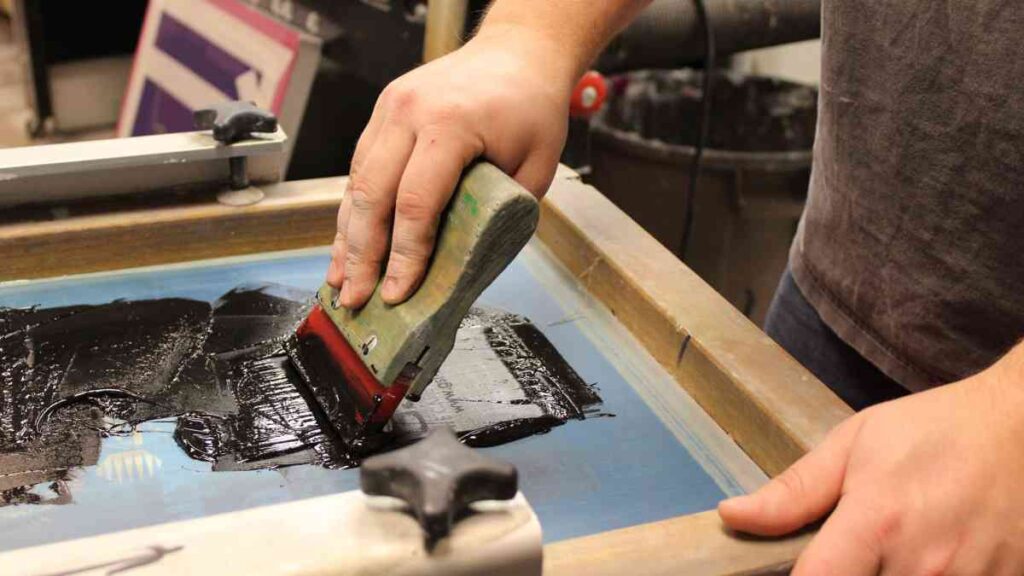
Wenn Sie einen hochwertigen Plastisolfarbenlieferanten verwenden, erhalten Sie eine Farbe mit hohem Pigmentgehalt und kurzer Viskosität. Das bedeutet, dass die Farbe auf dem Sieb haftet, aber beim Auftreffen des Rakels butterweich fließt.
Das Geheimnis der Maschenzahl
Bei hochwertiger Tinte braucht man nicht Unmengen davon auf das Kleidungsstück zu schütten, um Farbe zu erzielen. Ich rate meinen britischen Kunden immer, auf 43T-Mesh (110 US) zu verzichten.
Durch die Verwendung unserer Pigmente in Herstellerqualität für Farbplastisolfarben können Sie auf ein 77T- oder sogar ein 90T-Sieb umsteigen.
- Ergebnis? Ein dünnerer Tintenauftrag.
- Der Vorteil? Das Hemd fühlt sich weicher an (was Ihre Kunden lieben), und Sie verbrauchen 30-40% weniger Tinte pro Rakelstrich.
Der Einzelhandel verlangt nach Drucken mit „weichem Griff“. Das lässt sich mit dicker, billiger Farbe nicht erreichen.
Energiekosten senken: Der Flash-Trockner ist ein Energiedieb
Falls Sie Ihre Energierechnung für Ihr Unternehmen in letzter Zeit nicht geprüft haben, sollten Sie es vielleicht lieber lassen – es könnte Ihnen den Tag verderben. Britische KMU haben beispiellose Schwankungen bei den Energiekosten erlebt.
Ihr Blitztrockner ist wahrscheinlich die Maschine mit dem höchsten Stromverbrauch in Ihrer Werkstatt.
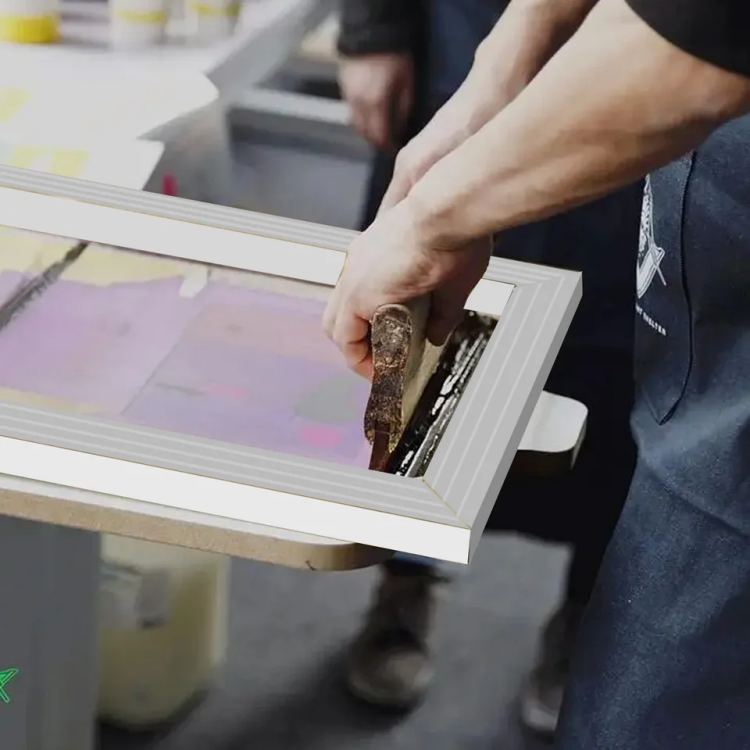
Bei Verwendung der von ECOPRINTINK Plastisol Ink entwickelten Siebdruckfarbe für Textilien können Sie die Vorteile des Nass-in-Nass-Drucks nutzen.
Unsere Tinten sind so formuliert, dass sie nicht auf der Rückseite des nächsten Siebs haften bleiben. Das bedeutet, dass Sie fünf Farben drucken und vor dem abschließenden Trocknen nur einmal blitzen müssen.
- Alte Methode: Drucken -> Blitzen -> Drucken -> Blitzen -> Drucken -> Blitzen -> Trocknen.
- ECOPRINTINK-Methode: Drucken -> Drucken -> Drucken -> Blitzen -> Drucken -> Drucken -> Trocknen.
Sie verkürzen die Laufzeit Ihres Trockners um 60%. Das bedeutet einen direkten Geldzufluss zurück in Ihr Unternehmen.
Spezialtinten: Höhere Gewinnspannen, nicht höhere Kosten
Ich sehe viele Läden, die vor Spezialdrucken zurückschrecken, weil sie die Tinte für zu teuer halten. Das ist eine riesige verpasste Chance.
Wenn ein Kunde etwas Einzigartiges wünscht, sucht er nicht nach dem günstigsten Preis, sondern nach dem „Wow“-Effekt.
Beispielsweise ermöglicht die Verwendung von im Dunkeln leuchtender Plastisolfarbe oder reflektierender Plastisolfarbe die Erhebung eines „Spezialzuschlags“.
Die Mathematik des Spezialdrucks:
- Gewinn beim Standard-Tee: £2.00
- Gewinn mit Spezial-T-Shirts (unter Verwendung von Puff-Plastisolfarbe): £5.00
- Kostensteigerung bei Tinte: 0,15 £ pro Druck.
Sie geben 15 Pence mehr aus, um 3 Pfund mehr zu verdienen. Wenn Sie Ihren lokalen Clubs und Marken in Großbritannien keine hochdichte Plastisolfarbe oder Glitzer-Plastisolfarbe anbieten, verschenken Sie bares Geld.
Der Compliance-Kopfschmerz (und wie man ihn vermeidet)
Seit dem Brexit müssen britische Druckereien die britischen REACH-Vorschriften noch genauer beachten. Wer billige, unbekannte Tinte aus dem Ausland importiert, geht ein enormes Risiko ein.
Bei ECOPRINTINK setzen wir auf nachhaltige Siebdrucklösungen. Unsere PVC-freie Plastisolfarbe und unsere umweltfreundlichen Siebdruckfarben sorgen dafür, dass Sie alle gesetzlichen Vorgaben erfüllen.
Noch wichtiger ist, dass große britische Marken mittlerweile OEKO-TEX- oder GOTS-zertifizierte Rohstoffe fordern. Können Sie die Unbedenklichkeit Ihrer Druckfarbe nicht nachweisen, verlieren Sie den Auftrag. Mit einem renommierten ODM-Partner für Siebdruckfarben haben Sie alle erforderlichen Unterlagen parat, wenn große Kunden anrufen.
Wie man häufige Probleme im Shop mit der richtigen Tinte löst
Ich habe schon viel Zeit damit verbracht, in Läden Probleme zu beheben. Meistens handelt es sich dabei um Produktionsverzögerungen. Hier erfahren Sie, wie die richtige Tinte diese Probleme löst:
1. Fibrillation (Das „flauschige“ Hemd)
Der Druck ergibt ein schönes Weiß, aber nach dem ersten Waschen drücken die Fasern des Hemdes durch, sodass der Druck grau aussieht.
Die Lösung: Unsere Anti-Migrations-Plastisolfarbe und die hochviskosen Weißtöne wirken wie ein Schutzschild und fixieren die Fasern, sodass der Druck gestochen scharf bleibt.
2. Trocknen der Tinte im Sieb
Moment mal, Plastisol darf doch nicht im Sieb trocknen! Aber in einem heißen britischen Sommer (ja, die gibt es!) können minderwertige Farben „verdicken“ und dann unmöglich zu drucken sein.
Die Lösung: Verwenden Sie nicht blockierende Druckfarbe. Sie bleibt tagelang im Sieb stabil und härtet im Trockner perfekt aus.
3. Farbstoffmigration auf Polyestern
Bedrucken von Fußballtrikots? Wenn Sie billige weiße Tinte verwenden, wird das rote Trikot Ihre weiße Tinte bis morgen früh rosa färben.
Die Lösung: Sie benötigen einen speziellen Blocker. Unsere Plastisol-Farblösungen beinhalten Basen mit geringem Ausbluten, die die Gasmigration vollständig verhindern.
Starten Sie Ihr Audit: Die 3-Eimer-Herausforderung
Wenn Sie sich das selbst beweisen wollen, fordere ich Sie zu einem „3-Eimer-Audit“ heraus.
- Kaufen Sie einen 5-kg-Eimer unser Großhandelsangebot an Plastisolfarbe.
- Wählen Sie Ihren häufigsten Job aus (z. B. Weiß auf Schwarz).
- Verfolge drei Dinge:
- Wie viele Hemden bekommt man aus der Wanne?
- Wie oft mussten Sie den Bildschirm reinigen?
- Wie viele „Sekunden“ (Fehleingaben) hatten Sie?
Jedes Mal, wenn ich das mit einem Geschäft gemacht habe, hat der ECOPRINTINK-Eimer gewonnen. Nicht weil er magische Kräfte besitzt, sondern weil er technisch besser konstruiert ist.
Zusammenfassungstabelle: Warum britische Druckereien wechseln
| Das Problem | Das Ergebnis der billigen Tinte | Das ECOPRINTINK-Ergebnis |
| Steigende Strompreise | Mehrere Blitze = Hohe Kosten | Nass-in-Nass = Niedrige Kosten |
| Arbeitskräftemangel | Langsame, dickflüssige Tinte = Weniger SPH | Cremige, schnelle Tinte = Hoher Lichtschutzfaktor |
| Qualitätsanforderungen | Schweres, plastikartiges Gefühl | Weiche, verkaufsfertige Haptik |
| Compliance | Risiko von REACH-Strafen | 100%-konform und umweltfreundlich |
Häufig gestellte Fragen: Antworten auf Ihre Fragen
Frage 1: Ist Plastisol hinsichtlich der Kosten immer noch besser als wasserbasiertes Plastisol?
In Großbritannien absolut. Wasserbasierte Tinte eignet sich zwar für manche Anwendungen hervorragend, aber der Energieaufwand zum Verdampfen von Wasser ist deutlich höher als der zum Aushärten von Plastisolfarbe. Außerdem trocknet Plastisolfarbe während der Mittagspause nicht im Sieb ein, was Abfall reduziert.
F2: Kann ich ECOPRINTINK mit meinen bisherigen Marken mischen?
Obwohl man die meisten Plastisole mischen kann, rate ich davon ab. Dadurch werden die hochwertigen Pigmente und Additive verdünnt, die unsere Siebdruck-Plastisolfarbe so wirksam machen. Das ist, als würde man Billigbenzin in einen Ferrari tanken.
Frage 3: Druckt die „PVC-freie“ Version genauso gut wie die Standardversion?
Vor zehn Jahren hätte ich nein gesagt. Heute? Unsere PVC-freie Plastisolfarbe ist in ihrer Leistung nahezu ununterscheidbar. Sie ist die Zukunft der Branche.
Frage 4: Wie erhalte ich einen „Gold“-Effekt ohne die Sauerei?
Herkömmliche Goldpulver sind eine Katastrophe. Wir empfehlen unsere Gold-Siebdruckfarbe. Sie ist vorgemischt, farbstabil und sorgt für brillanten Glanz, ohne dass Goldstaub Ihre Werkstatt verschmutzt.
Frage 5: Wie lagert man Tinte am besten in einem kalten Lagerhaus in Großbritannien?
Plastisol bevorzugt eine konstante Temperatur von 20 °C. Wenn es in Ihrer Werkstatt nachts kalt wird, dickt die Farbe ein. Rühren Sie sie vor dem Siebdruck gut um, um sie zu verdünnen, oder verwenden Sie einen unserer Verdünner für Plastisolfarben.
Schlussbetrachtung des Experten
Ich verstehe das. Einen hohen Scheck für eine Palette Tinte auszustellen, ist schmerzhaft. Aber als Hersteller von Plastisolfarben sage ich Ihnen: Die Tinte ist der günstigste Posten in Ihrem Geschäft, hat aber den größten Einfluss auf Ihren Gewinn.
Mit besserer Tinte drucken Sie schneller. Schnelleres Drucken spart Arbeitsaufwand und Energie. Durch die Einsparungen bei Arbeitsaufwand und Energie können Sie sich einen Wettbewerbsvorteil gegenüber dem Laden nebenan verschaffen.
Sind Sie bereit, kein Geld mehr zu verschwenden? Dann lassen Sie uns endlich echte Tinte auf Ihre Bildschirme bringen.
 EN
EN  PT
PT  ES
ES  DE
DE  FR
FR  IT
IT  JA
JA  PL
PL