
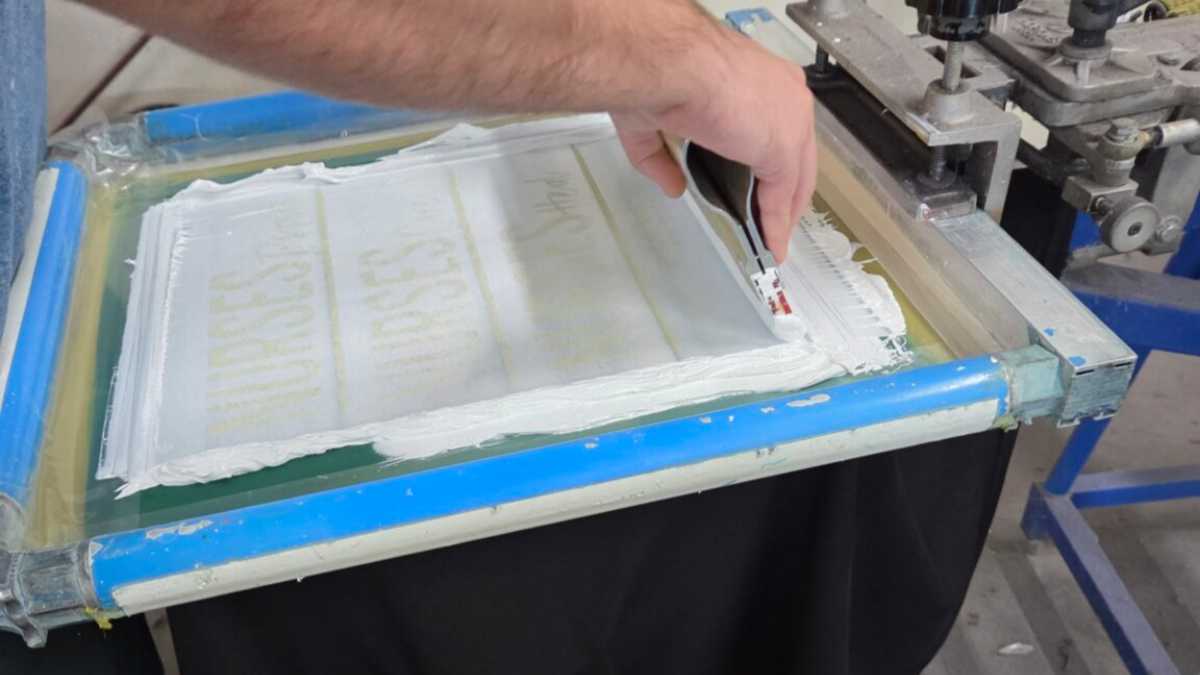
Dimenticatevi del numero sul display digitale del vostro essiccatore. Il più delle volte, vi mente. Il vero segreto per una stampa perfetta non è la temperatura dell'aria all'interno del tunnel, ma far sì che il calore penetri fino in fondo allo strato di inchiostro. Se l'inchiostro bianco non raggiunge una temperatura costante di 160 °C (320 °F) dall'alto verso il basso, rimarrà fragile e si spezzerà come un cracker.
Risolvendo alla perfezione questo dettaglio tecnico, non solo ti aiutiamo a evitare che l'inchiostro plastisol si screpoli, ma ti aiutiamo anche a costruire un negozio rinomato per le magliette che durano anni. Eliminerai i costosi resi dei clienti e finalmente avrai la sicurezza di applicare prezzi premium per il tuo lavoro. ECOPRINTINKAbbiamo trascorso anni nelle trincee dei reparti di produzione per trasformare questo "problema dell'inchiostro" in una scienza.
Table of Contents
Lo "standard tedesco" della fusione degli inchiostri
Nelle tipografie tedesche di alta gamma, la qualità non è affidata all'intuito. Le aziende che utilizzano attrezzature MHM o Tesoma trattano il processo di polimerizzazione come un esperimento di laboratorio. La precisione è tutto.
The problema di screpolatura nella serigrafia Questo accade quasi sempre perché la superficie dell'inchiostro bianco (che è denso e brillante) riflette il calore, lasciando il "fondo" della stampa non trattato. Quando la maglietta viene lavata in lavatrice e il cotone si allunga, l'inchiostro non trattato non riesce a trattenere il calore e l'intero disegno si rovina.
Perché la precisione tedesca è importante:
- Polimerizzazione totale: Garantire la nostra plastisol ink si trasforma da liquido in una pellicola di plastica solida e flessibile.
- Combattere il calore generato dal dissipatore: Rendendosi conto che gli indumenti di cotone pesante "rubano" calore all'inchiostro durante il processo di polimerizzazione.
- Niente più supposizioni: Abbandonare l'approccio basato sulle sensazioni tattili e utilizzare dati concreti per confermare la cura.
1. La scienza: perché l'inchiostro bianco è il più difficile da rimuovere
L'inchiostro bianco è ricco di biossido di titanio. È questo che conferisce vivacità alla stampa, ma agisce anche come uno specchio per il calore infrarosso. Secondo i dati tecnici di Wilfle, il plastisol bianco richiede un tempo di posa significativamente maggiore rispetto a un inchiostro scuro. Se si utilizza l'asciugatrice alla stessa velocità sia per una sottile base nera che per una spessa base bianca, l'inchiostro bianco non supererà mai il test di lavaggio.
Parere degli esperti: “Una stampa che al tatto risulta asciutta è spesso solo 'appiattita'. La vera polimerizzazione è una reazione chimica che deve avvenire al centro del deposito di inchiostro.” MHM Siebdruckmaschinen.
2. Buona prassi: il test “allunga e scatta”
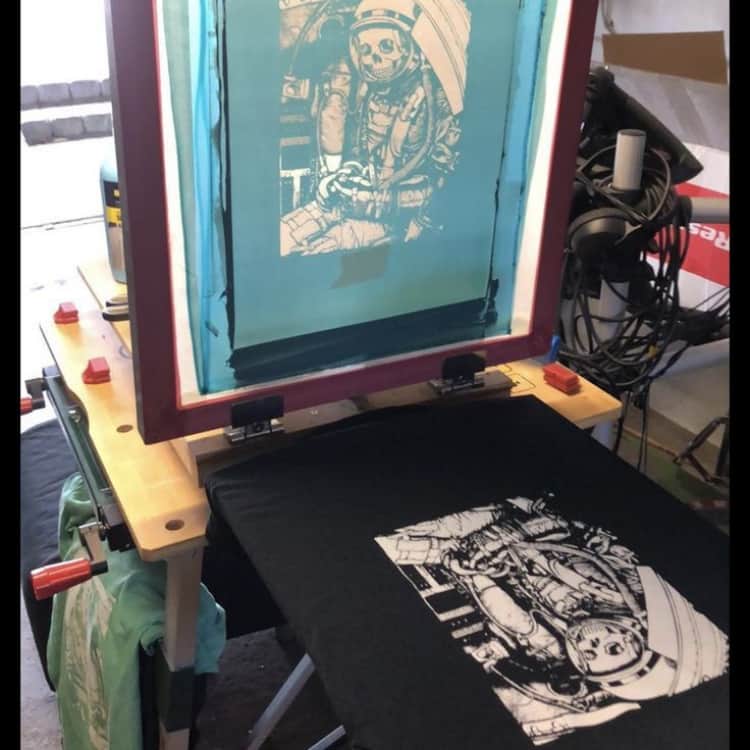
Prima di spedire un ordine, è necessario un controllo di fattibilità. Consigliamo sempre il test di allungamento. Attendi che la maglietta si raffreddi completamente, poi:
- Tirare con decisione l'area stampata (circa 50% della sua larghezza).
- Osserva attentamente la superficie. Presenta ragnatele o crepe?
- Se si crepa e rimane aperta, significa che la panificazione non è completa.
- Se si allunga e ritorna alla sua forma originale come un elastico, significa che la resistenza dell'inchiostro bianco è stata ottenuta alla perfezione.
3. I 4 principali responsabili del problema delle crepe nella serigrafia
A. La trappola della "pistola laser per la misurazione della temperatura"
I termometri laser misurano solo la temperatura superficiale. Per uno spesso strato di inchiostro bianco, la superficie potrebbe raggiungere una temperatura torrida di 180 °C, mentre l'inchiostro a contatto con il tessuto potrebbe essere freddo, a soli 130 °C.
La soluzione: Use Strisce termoisolanti che effettivamente attraversano l'asciugatrice con il capo per vedere cosa succede a livello di base.
B. Tensione della rete “inzuppata”
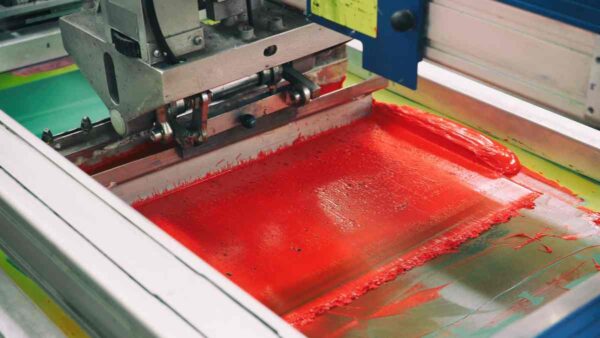
Se le matrici sono troppo larghe, si finisce per "spalmare" uno spesso strato irregolare di inchiostro sul capo. Un inchiostro più denso è un incubo da polimerizzare correttamente. Scegliendo la giusta densità della rete serigrafica e mantenendo un'elevata densità di Newton, si ottiene un deposito di inchiostro più sottile e uniforme che il calore può penetrare facilmente.
C. Il “calore rubato” in Cotton
Il cotone trattiene l'umidità. Quando una maglietta umida entra nell'asciugatrice, il calore impiega la sua energia per far evaporare l'acqua invece di fissare l'inchiostro plastisol.
Best Practice: In Germania, molti laboratori di stampa "Meister" preriscaldano i capi con un'unità flash prima della prima passata di stampa per eliminare l'umidità residua.
D. Illuminare eccessivamente la base
Se cuocete la base fino a renderla dura e croccante, i colori superiori non avranno nulla a cui "attaccarsi". È come cercare di incollare due pezzi di vetro. Il primo strato deve essere appena "appiccicoso", abbastanza asciutto da non sbavare, ma ancora chimicamente "aperto" per legarsi allo strato successivo.
4. Dati tecnici: Velocità di polimerizzazione in funzione della temperatura
In base ai test effettuati presso ECOPRINTINK e agli standard di settore della Printing United Alliance, ecco come valutare le impostazioni del tunnel di stampa.
| Fabric Type | Ink Thickness | Temperatura del nucleo richiesta | Tempo di asciugatura consigliato | Risultato di solidità al lavaggio |
| 100% Cotton | Standard | 160 °C / 320 °F | 60-90 secondi | Eccellente (oltre 50 lavaggi) |
| Miscela di polimeri | Alta opacità | 145 °C / 290 °F | 90-120 secondi | Buono (necessita di bassa pressione sanguigna) |
| Pile pesante | Deposito spesso | 160 °C / 320 °F | Oltre 120 secondi | Elevato rischio di fessurazione |
5. La soluzione professionale (passo dopo passo)
Passaggio 1: Calibrare la Bestia
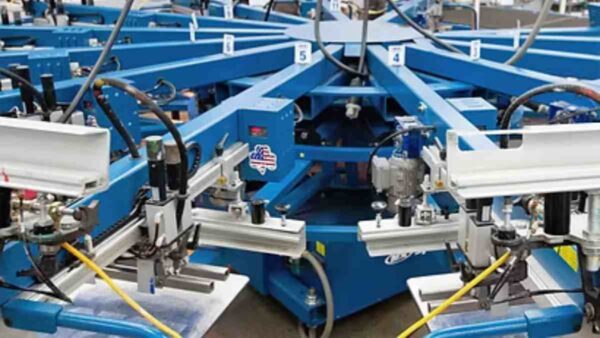
Smettete di fidarvi ciecamente del display digitale del vostro forno. Vi consigliamo di effettuare un test con la striscia termometrica una volta alla settimana. Investire nella calibrazione dell'essiccatore a nastro è la polizza assicurativa più economica che la vostra azienda possa stipulare.
Passaggio 2: Utilizzare l'inchiostro giusto
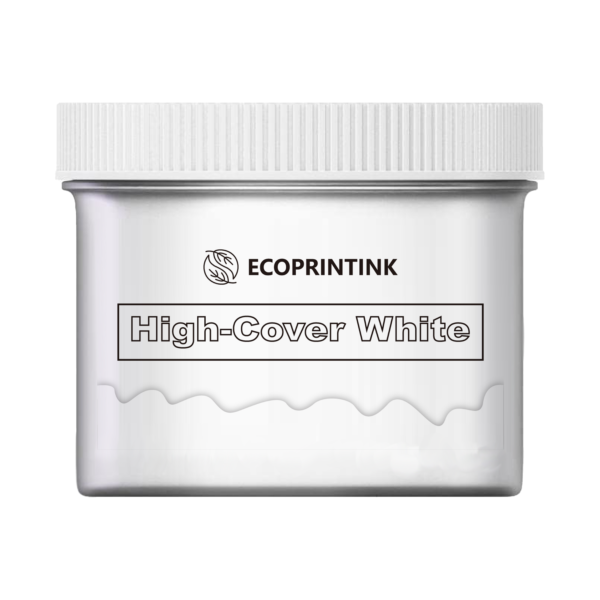
Se hai a che fare con stampe spesse e pesanti, non limitarti a versare il diluente nel secchio. Usa un inchiostro bianco ad alta opacità progettato per rimanere sulla superficie. ECOPRINTINK La formula è studiata per fondersi rapidamente senza perdere quella brillantezza frizzante.
Passaggio 3: Verifica la tua chimica
Le tipografie moderne si stanno orientando verso inchiostri più sicuri e performanti. Ci concentriamo sulla comprensione inchiostri per serigrafia senza ftalati perché in genere hanno un allungamento (elasticità) molto migliore rispetto ai materiali della vecchia scuola, il che riduce direttamente l' problema di screpolatura nella serigrafia.
Passaggio 4: Conosci il tuo substrato
Quando si tratta di scegliere tra inchiostro plastisol e inchiostro a base d'acqua, ricordate che il plastisol rimane il re della durata nelle miscele più complesse, a patto di raggiungere le temperature di fusione ottimali.
Parliamoci chiaro: domande frequenti per la tipografia moderna
Q1: Un cliente mi ha appena riportato una camicia screpolata. Posso semplicemente ricuocerla sotto una pressa a caldo per riparare la crepa?
Ascolta, mi fanno spesso questa domanda e vorrei avere notizie migliori. In breve? No. Una volta che l'inchiostro plastisol si screpola dopo il lavaggio, il ponte è già bruciato. Non si può "riparare" una frattura chimica. Se lo pressassi ora, potresti appiattire l'inchiostro, ma il cedimento strutturale sarebbe comunque presente. La soluzione migliore? Usalo come esempio per il tuo staff e regola la velocità dell'asciugatrice prima di spedire il resto del lotto.
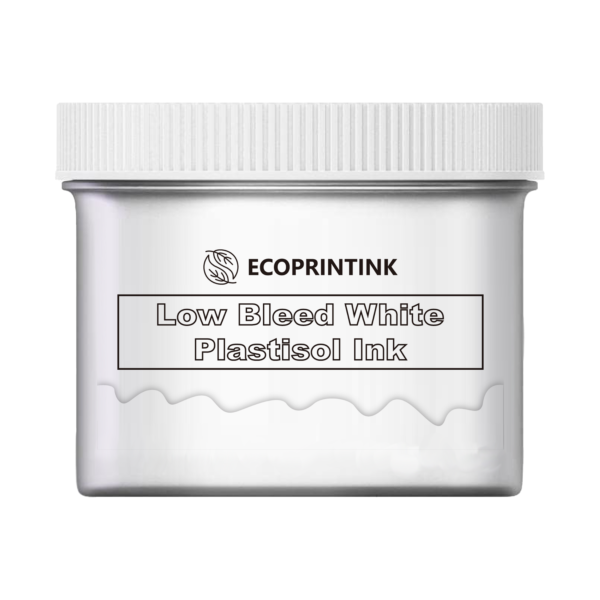
Q2: L'inchiostro bianco a bassa polimerizzazione vale davvero tutta questa fama, o è solo una trovata di marketing?
Non è certo un trucco, ma devi saperlo Perché Lo stai usando. Noi di ECOPRINTINK vediamo che molti usano inchiostri a bassa polimerizzazione per risparmiare energia elettrica, il che va benissimo. Ma il vero "risparmio" si ottiene con il poliestere 100% o i tessuti misti. Se si sottopone una maglietta in misto poliestere a una temperatura sufficiente a polimerizzare l'inchiostro bianco standard, si verifica la migrazione del colore (il colore della maglietta si trasferisce sul bianco). L'inchiostro a bassa polimerizzazione permette di rimanere in quella "zona di sicurezza" (circa 135 °C/270 °F) garantendo un'ottima resistenza al lavaggio dell'inchiostro bianco senza che la stampa bianca assuma una colorazione rosa.
Q3: Perché la mia stampa sembra perfetta ma poi si stacca in un unico grande foglio come un adesivo gigante?
Questo non è esattamente lo stesso problema di screpolature nella serigrafia: si tratta di un fallimento totale dell'adesione. Di solito, significa che hai "sovra-indurito" il tuo strato di base. Se cuoci il primo strato bianco fino a renderlo duro e liscio, lo strato superiore di inchiostro non avrà nulla a cui aderire. Rimarrà sopra il primo strato invece di legarsi ad esso. La regola generale? L'inchiostro indurito dovrebbe avere la stessa consistenza del retro di un Post-it: appiccicoso, ma senza lasciare residui sulle dita.
Q4: Vorrei una consistenza più morbida. Posso semplicemente aggiungere un po' di diluente all'inchiostro bianco?
Si può fare, ma è un rischio. Il diluente è sostanzialmente un plastificante liquido senza resina. Se si esagera (di solito con una diluizione superiore a 10-15%), si finisce per "annacquare" la colla che tiene insieme l'inchiostro. Si otterrà una stampa morbida, certo, ma è quasi garantito un disastro con screpolature dopo tre lavaggi. Se si desidera una stampa morbida, è meglio utilizzare una rete con una trama più fitta o un bianco "soft-base" di alta qualità, invece di cercare di "diluire" un inchiostro denso.
Q5: Il display della mia asciugatrice indica 320°F (160°C). Perché continuo a ricevere resi per inchiostro screpolato?
Perché il display digitale del vostro essiccatore non è affidabile. La maggior parte di quei sensori misura la temperatura dell'aria vicino alle resistenze, non la temperatura effettiva dell'inchiostro sul nastro. Tra la ventilazione del vostro laboratorio e lo spessore del capo, l'inchiostro potrebbe essere 30 gradi più freddo di quanto indicato dal display. Fatevi un favore: procuratevi delle strisce termometriche e passatele a sinistra, a destra e al centro del nastro. La maggior parte dei problemi di screpolature si risolve non appena un'azienda si accorge di avere un punto freddo nell'essiccatore.
 EN
EN  PT
PT  ES
ES  DE
DE  FR
FR  IT
IT  JA
JA  PL
PL