
Table of Contents
Immaginate lo stress di spedire un ordine di 5.000 t-shirt "vintage" di tendenza, tinte con pigmenti, al vostro cliente più importante, solo per sentirvi chiamare tre giorni dopo perché i loghi bianchi sembrano di un rosa sbiadito e opaco. È un vero incubo. Per i proprietari di negozi e i responsabili di produzione, non si tratta di un semplice errore, ma di un duro colpo per i profitti e la reputazione del marchio. Onestamente, la migrazione del colore è il "killer silenzioso dei profitti" nel mondo della decorazione di capi d'abbigliamento.
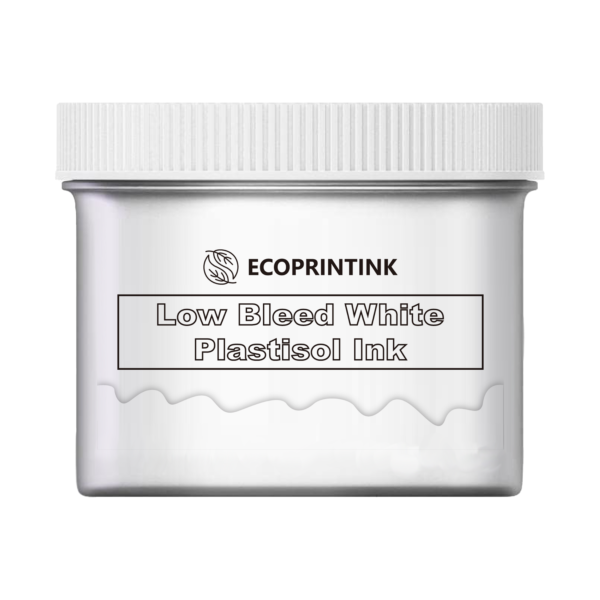
Se hai a che fare con capi tinti con pigmenti o tinti in capo, la soluzione è piuttosto semplice: hai assolutamente bisogno inchiostro plastisol ad alta opacità e bassa sbavatura.
Passando a un inchiostro plastisol bianco specializzato, progettato per ridurre al minimo le sbavature, si crea di fatto una barriera chimica. Questo inchiostro trattiene i coloranti del tessuto dove devono stare: nella maglietta, non nella stampa. In questo modo, i capi bianchi rimangono effettivamente bianchi, i colori sono brillanti e la fabbrica evita l'enorme problema dei capi scartati.
La realtà tecnica: perché i tessuti tinti con pigmenti sono instabili
Nella filiera tessile, non tutte le magliette "tinte" sono uguali. Per scegliere l'inchiostro plastisol più adatto, è fondamentale capire perché questi tessuti si comportano in modo così particolare.
Tintura a pigmenti vs. tintura in capo
In sostanza, la tintura a pigmenti è un processo di rivestimento superficiale. Invece di far penetrare il colore in profondità nelle fibre di cotone, un pigmento viene miscelato con un legante a base di resina e applicato sulla superficie. Certo, crea quel popolare effetto "lavato" che tutti desiderano, ma poiché il colore rimane solo in superficie, il calore può facilmente staccarlo.
La tintura in capo, d'altro canto, utilizza in genere coloranti reattivi che si legano al cotone. Sebbene sia solitamente più stabile, questi capi vengono spesso tinti in grandi quantità, il che significa che molte molecole di colorante "libere" e non fissate rimangono nel tessuto. Quando si mettono queste magliette in asciugatrice a 160 °C (320 °F), queste molecole libere iniziano a muoversi.
La scienza del “sanguinamento”
La migrazione del colorante è in realtà una forma di sublimazione. Una volta che il capo raggiunge la temperatura di polimerizzazione, il colorante del tessuto si trasforma letteralmente in gas. screen printing plastisol ink In realtà è piuttosto poroso: agisce praticamente come una spugna per le molecole di colorante gassose. Quando si raffredda, il colorante rimane intrappolato e si solidifica all'interno dello strato di inchiostro, ed è per questo che il colore cambia in modo permanente.
La soluzione del produttore: la tecnologia anti-migrazione.
At ECOPRINTINK, progettiamo il nostro soluzioni di inchiostri per serigrafia per gestire la specifica sensibilità al calore dei capi di abbigliamento moderni. Per arrestare lo scolorimento, utilizziamo tre tecnologie principali:
- Bloccanti chimici: I nostri inchiostri a bassa migrazione contengono agenti speciali che creano una barriera non porosa una volta che l'inchiostro inizia a gelificare.
- Punti di fusione inferiori: Grazie alla progettazione di inchiostri che polimerizzano a temperature comprese tra 290°F e 300°F anziché ai tradizionali 320°F, vi aiutiamo a mantenere la temperatura del tessuto al di sotto del "punto di gas" dei coloranti.
- Opacità massima: Una maggiore concentrazione di pigmento nell'inchiostro stesso contribuisce a "nascondere" eventuali piccole migrazioni che potrebbero verificarsi durante il processo di raffreddamento.
Buona prassi: la base del bloccante
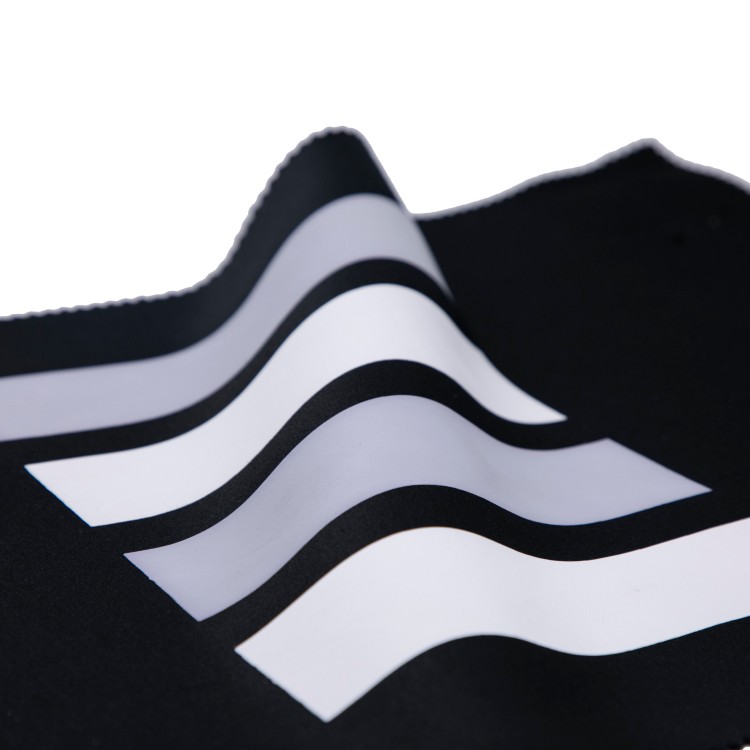
Per i coloranti a pigmenti più aggressivi (come cremisi intensi, blu reale o neri), l'utilizzo di un bianco a bassa migrazione potrebbe non essere sufficiente. La migliore pratica nelle fabbriche ad alto volume è quella di utilizzare un anti-migation plastisol ink—nello specifico, un colorante grigio o nero—come primo strato. Questo strato funge da "scudo", contenendo il colorante in modo che i colori superiori rimangano puri.
Confronto di produzione: inchiostri standard vs. inchiostri a bassa sbavatura
| Feature | Inchiostro standard | ECOPRINTINK a bassa permeazione |
| Resistenza alla migrazione | Molto basso | High |
| Tessuto ideale | 100% Cotone bianco | Tintura a pigmenti / Miscele / Poliestere |
| Curing Temp | 320°F+ | 290°F – 310°F |
| Opacity | Standard | High |
| Fattore di rischio | Elevato (cambiamento di colore dopo 24 ore) | Basso (colore stabile) |
Guida agli acquisti per le fabbriche di serigrafia
Quando si acquista inchiostro per una produzione su larga scala, il reparto acquisti non dovrebbe limitarsi a considerare il prezzo al chilo, ma deve valutare il "costo totale della qualità".
- Stabilità del lotto: Assicurati che il tuo Fornitore di inchiostri plastisol Garantisce una viscosità costante. Se l'inchiostro è troppo denso, le stampanti aggiungeranno dei diluenti, che, ironicamente, diluiscono le sostanze chimiche a bassa migrazione e causano il fallimento della stampa.
- Conformità: Nel mercato odierno, i proprietari dei marchi esigono sicurezza. Noi ci impegniamo a offrire inchiostri plastisol privi di PVC che soddisfano tutti i requisiti degli standard globali come OEKO-TEX. Questo vi garantisce la tranquillità di sapere che le vostre esportazioni non incontreranno problemi con le normative sulle sostanze chimiche pericolose.
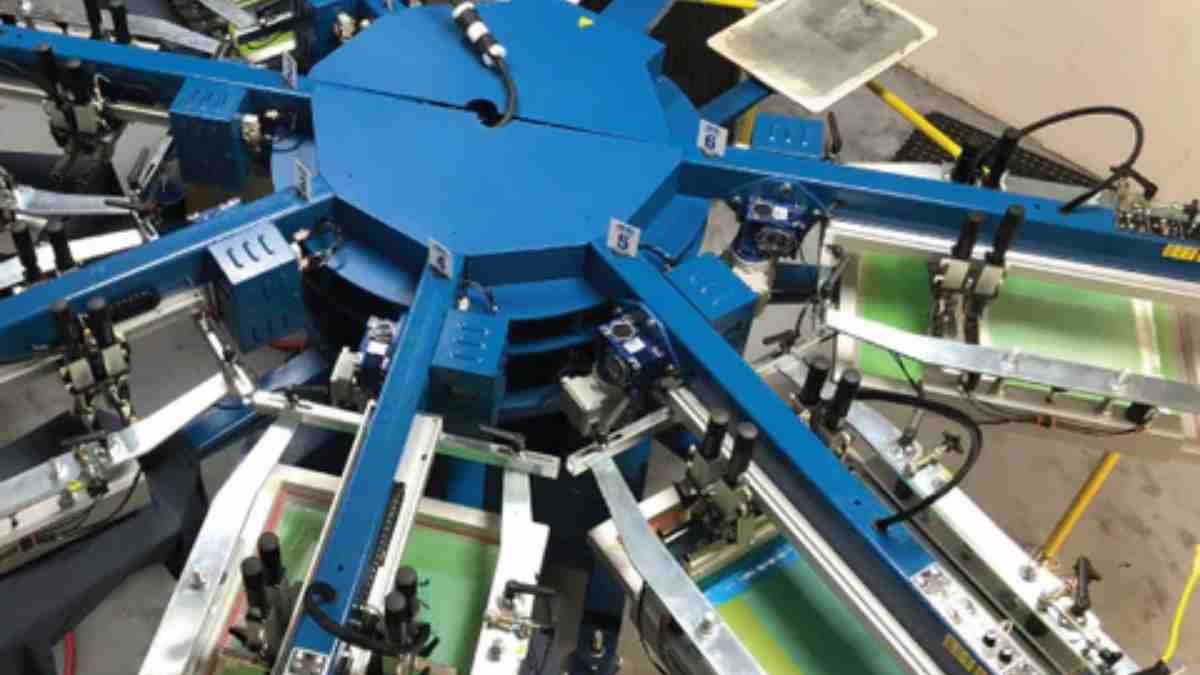
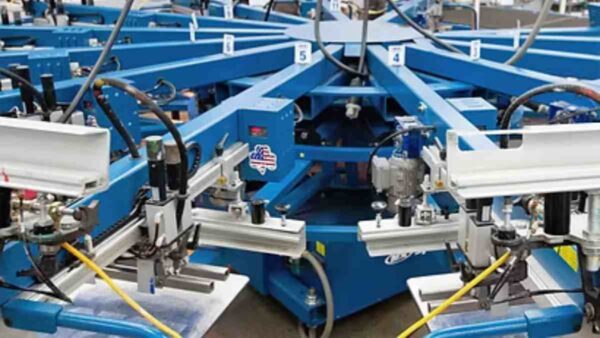
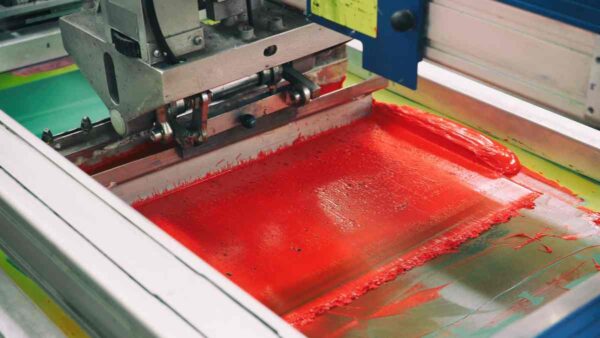
- Resistenza al taglio: Se si utilizza una macchina da stampa automatica con una produzione di oltre 400 unità all'ora, l'inchiostro deve rimanere "cremoso" e facilmente lavorabile sulla matrice serigrafica. Gli inchiostri di bassa qualità tendono ad "asciugarsi" o a diventare appiccicosi, causando tempi di inattività.
Buona prassi: il test di produzione di 24 ore
Sinceramente, non fidarti mai di una maglietta tinta con pigmenti solo perché sembra perfetta appena tolta dalla cintura. La migrazione del colore è un processo lento.
Il test: Stampa il tuo campione e polimerizzalo. Quindi, pressalo in una pressa a caldo a 150 °C per 30 secondi oppure lascialo semplicemente riposare in una pila per un giorno intero. Il risultato: se il bianco è ancora bianco, le impostazioni dell'inchiostro sono corrette. Se presenta una sfumatura del colore della maglietta, è necessario abbassare la temperatura dell'asciugatrice o passare a un inchiostro plastisol anti-migrazione più potente.
Perché i responsabili di produzione scelgono ECOPRINTINK
Sappiamo che in un ambiente di fabbrica velocità e affidabilità sono fondamentali. Il nostro inchiostro serigrafico per tessuti è formulato per offrire il più ampio margine di sicurezza possibile. Ciò significa che, anche in caso di fluttuazioni di temperatura dell'essiccatore di 10 gradi, la nostra tecnologia a bassa migrazione di inchiostro è sufficientemente robusta da prevenire il fallimento totale del lotto.
In qualità di produttori specializzati, forniamo soluzioni di inchiostri per serigrafia che vi permettono di accettare anche gli ordini più complessi con pigmenti colorati, senza il timore di costose richieste di risarcimento assicurativo o di perdere un cliente.
FAQ: Produzione e approvvigionamento di grandi volumi
D1: Perché l'inchiostro appare normale alla fine del processo di asciugatura, ma cambia colore il giorno successivo?
Questa è la natura della migrazione del colorante. I gas del colorante continuano a muoversi man mano che le magliette si raffreddano in una pila. Il calore intrappolato in una pila di 50 magliette crea un effetto "mini-forno" che accelera la migrazione. In definitiva, l'utilizzo di inchiostri a bassa migrazione è l'unica vera garanzia contro questo problema.
D2: Possiamo utilizzare lo stesso bianco a bassa migrazione di colore per i tessuti 100% in misto cotone e poliestere?
Assolutamente. Anche se costa un po' di più rispetto al normale inchiostro per cotone, molte tipografie ad alto volume utilizzano semplicemente il bianco a bassa sbavatura come "bianco standard" per ogni lavoro. In questo modo si semplifica la gestione delle scorte ed si evita che il personale prenda per sbaglio il secchio sbagliato.
D3: L'utilizzo di una base di bloccaggio rende la stampa troppo spessa?
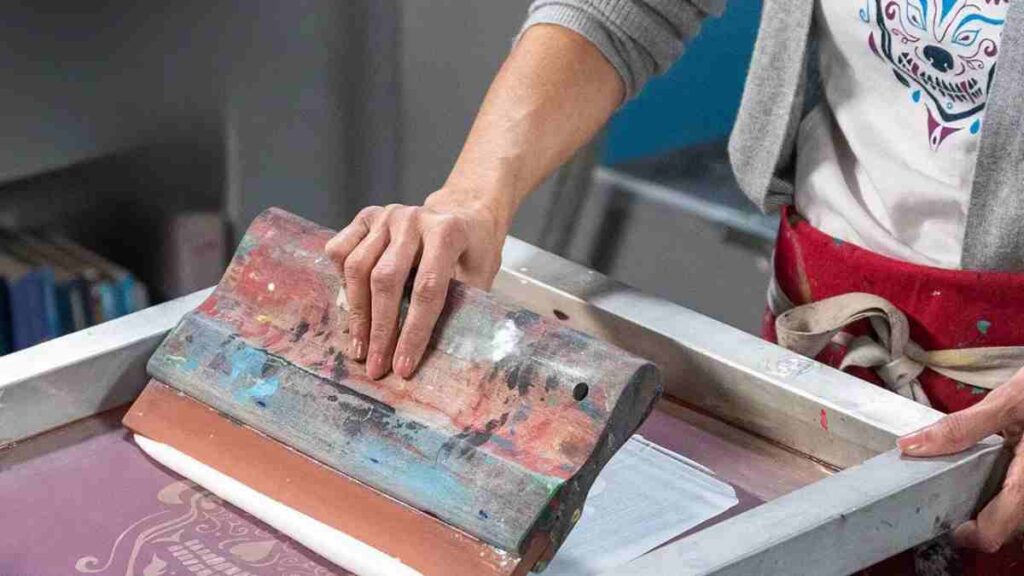
Se si utilizza un blocco con un'elevata densità di maglie (156 o 230), è possibile mantenere una sensazione al tatto molto morbida. I nostri blocchi grigi sono progettati per essere sottili ma chimicamente efficaci, in modo da non ottenere una stampa pesante.
D4: Come possiamo sapere se il nostro fornitore di inchiostro ci sta fornendo un prodotto a bassa sbavatura reale?
Come riconoscere un falso? Chiedete al vostro fornitore la scheda tecnica (TDS). Un vero inchiostro a bassa migrazione è solitamente classificato per una temperatura di fusione inferiore, ad esempio tra 143 °C e 150 °C, e menzionerà esplicitamente il "blocco del colorante" come caratteristica principale. Se le specifiche indicano una temperatura di polimerizzazione di 165 °C o superiore, probabilmente non si tratta di una vera formula a bassa migrazione.
D5: Qual è il modo migliore per conservare grandi quantità di inchiostro a bassa migrazione in un magazzino caldo?
Qual è il segreto per conservare l'inchiostro in un ambiente caldo? Tenere i secchi lontani dal pavimento caldo e dalla luce solare diretta. Se la temperatura nel secchio raggiunge i 32°C o più, le sostanze chimiche a bassa migrazione possono iniziare a reagire e gelificare, rendendo la stampa estremamente difficile. Ricordatevi di mescolare bene l'inchiostro prima di metterlo in macchina da stampa per "risvegliare" le resine.

 EN
EN  PT
PT  ES
ES  DE
DE  FR
FR  IT
IT  JA
JA  PL
PL