
Tabla de contenido
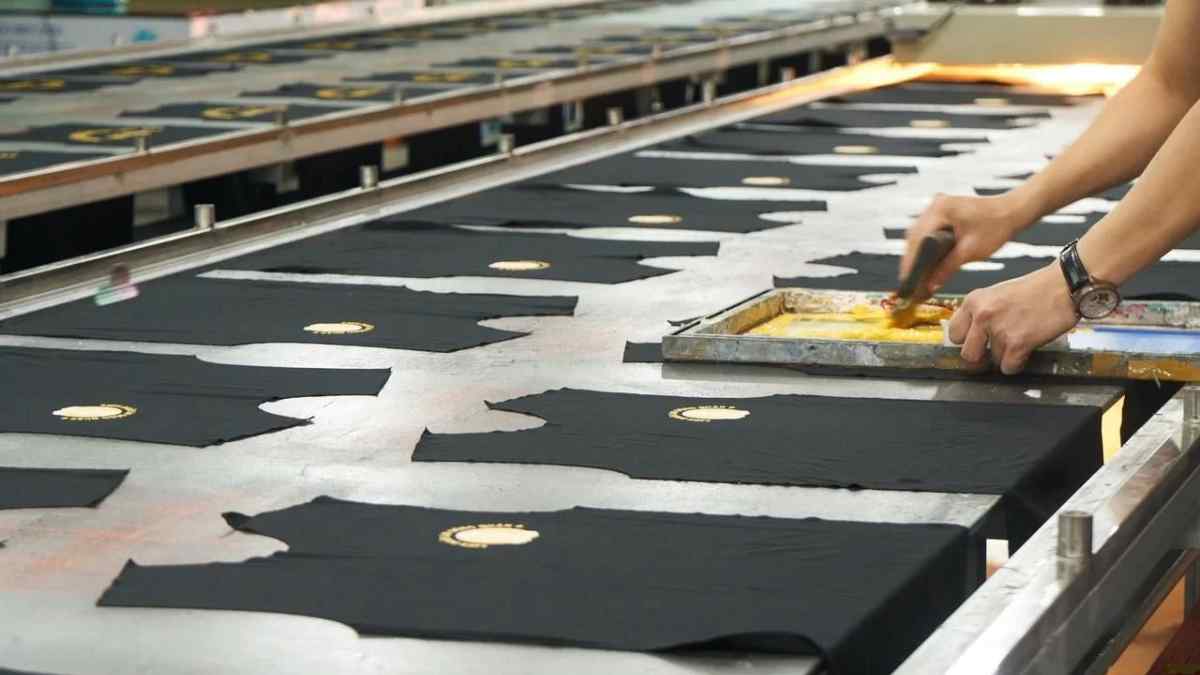
Si diriges una imprenta de alto volumen, probablemente sientas la presión del aumento de los costos y los plazos de entrega cada vez más ajustados todos los días. En resumen: cambiar de un distribuidor local a uno directo Tinta para Serigrafía Al comprar directamente, como en ECOPRINTINK, puedes ahorrar entre 201 y 401 TP3T en tu presupuesto anual de suministros. Pero el ahorro no es la mayor ventaja. En realidad, estás pagando por la previsibilidad. Al comprar directamente, obtienes tinta recién salida del laboratorio, que cumple totalmente con los estándares internacionales y cuenta con el respaldo de quienes formularon su composición química.
Por qué el “modelo de distribuidor” le está costando más que solo dinero.
La mayoría de las tiendas empiezan con distribuidores porque es fácil. Puedes comprar las espátulas, la cinta adhesiva y la tinta en un solo lugar. Sin embargo, a medida que el negocio crece, esa comodidad se convierte en un gran obstáculo para su desarrollo.
Los distribuidores son intermediarios. Tienen que pagar por almacenes, equipos de ventas y envíos desde la fábrica hasta su puerta antes de que el producto llegue a usted. Le transfieren todos y cada uno de esos costos con un margen de ganancia. Pero también hay un peligro oculto: Duración.
La tinta plastisol tiene una larga vida útil, pero no es infinita. En el almacén de un distribuidor, un cubo de serigrafía tinta plastisol Puede permanecer almacenado durante seis meses en un ambiente sin control de temperatura. Para cuando llegue a la imprenta, los plastificantes podrían haberse separado o la viscosidad podría ser inadecuada. Esto provoca poros, una cobertura deficiente y la frustración de los operarios de imprenta.
Consejo de buenas prácticas #1: Realice una prueba de "reducción de saldo".
Cada vez que recibas un nuevo lote de tinta, no la apliques directamente a la imprenta. Haz una prueba en un tejido de muestra. Comprueba la opacidad y la textura (el tacto de la tinta). Si trabajas con un fabricante, esta consistencia está garantizada lote tras lote, ya que controlamos la velocidad de mezclado y la temperatura de las resinas.
El poder del soporte técnico directo
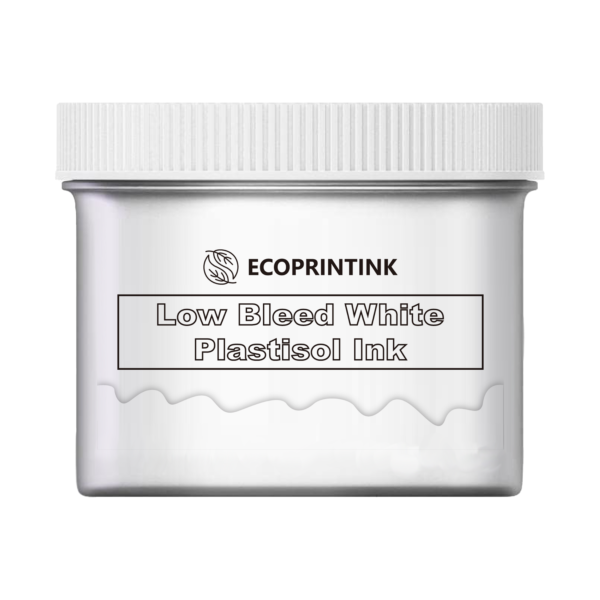
Cuando una impresión sale mal, tal vez la tinta plastisol blanca ¿El color se desvanece o la tinta no se seca correctamente? ¿A quién debo llamar? Si llama a un distribuidor, hablará con un vendedor. Puede que conozca el catálogo de productos, pero desconoce la estructura molecular del polímero.
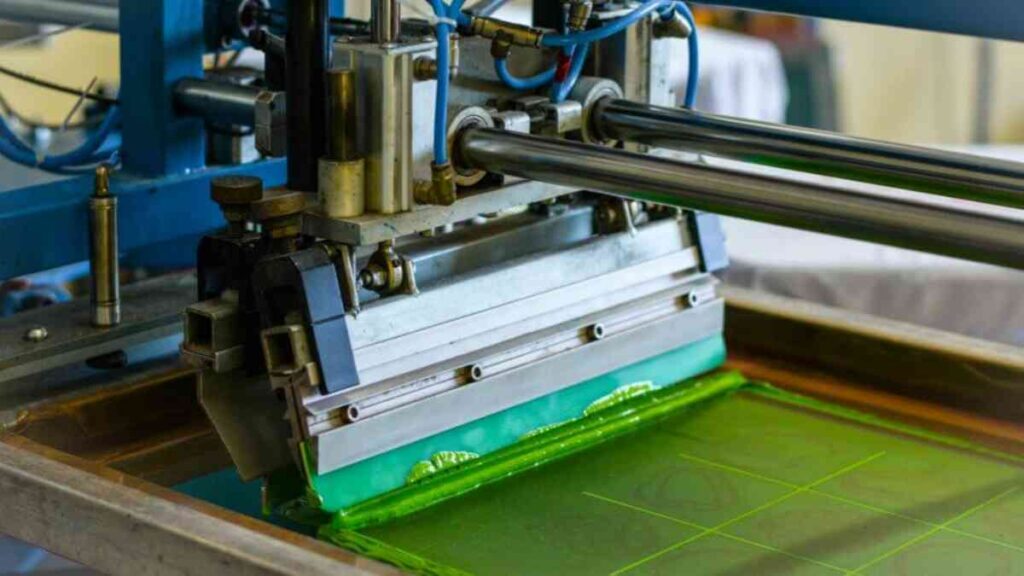
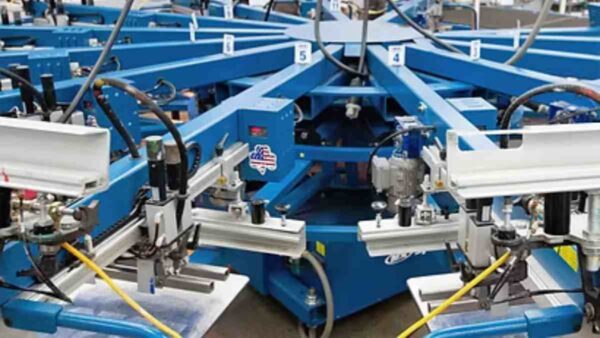
En ECOPRINTINK, somos su socio. Le proporcionamos soluciones de tinta plastisol que se adaptan a su equipo específico. Si utiliza una prensa automática MHM o ROQ de alta velocidad, necesita una tinta que se corte rápidamente. Si su taller se encuentra en un clima húmedo, necesita una fórmula que no absorba la humedad ni forme burbujas en la secadora.
Comparación: Fabricante vs. Distribuidor
| Característica | Distribuidor local | ECOPRINTINK (Fabricante) |
| Precios | Margen de beneficio minorista (alto) | Directamente de fábrica (venta al por mayor) |
| Profundidad técnica | Representantes de ventas generalistas | Ingenieros químicos y expertos en impresión |
| Documentos de cumplimiento | A menudo desactualizado o incompleto. | Datos completos de ZDHC y OEKO-TEX |
| Frescura | De 3 a 9 meses de edad | De 1 a 4 semanas de edad |
| Personalización | Solo colores en stock | Servicios de fabricación de tintas especiales a medida |
Cómo sortear el campo minado del cumplimiento normativo
Si imprimes para marcas importantes como Nike, Adidas o Disney, la tinta "estándar" no es suficiente. Estas marcas cumplen con la Lista de Sustancias Restringidas (RSL, por sus siglas en inglés), que limita estrictamente el plomo, los ftalatos y los metales pesados.
Los distribuidores suelen tener varias marcas y, a veces, confunden la documentación. Hemos visto tiendas a las que les han rechazado todo el envío porque un distribuidor envió por error un blanco "económico" que no cumplía con las especificaciones en lugar del requerido. eco-friendly screen printing inkAl trabajar con nosotros, usted obtiene un registro documental directo. Nuestras líneas libres de PVC y ftalatos se prueban en origen para cumplir con los requisitos de la norma OEKO-TEX Standard 100.
Cómo solucionar el dolor de cabeza “especializado”
Las grandes tiendas suelen ganar grandes contratos porque pueden hacer cosas que otras no pueden. Por ejemplo, estampados de alta densidad, ropa de seguridad reflectante o prendas que brillan en la oscuridad.
Si le pides a un distribuidor un efecto “Camaleón” personalizado, es posible que tenga que encargarlo a tres proveedores diferentes. Como fabricantes de tintas especiales, desarrollamos estos efectos internamente. Podemos ajustar la altura del relieve o la intensidad del brillo según el número de hilos de la malla que prefieras.
Consejo de buenas prácticas #2: Gestione su malla
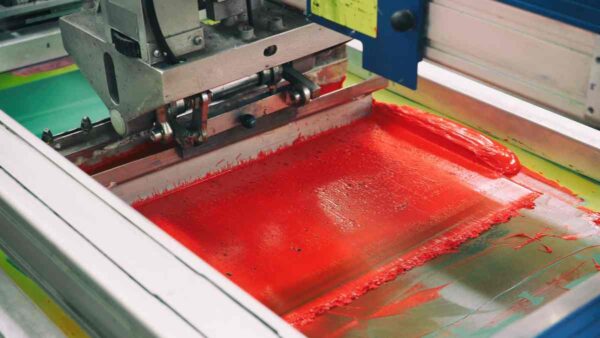
Para tintas especiales de alta pigmentación, no utilice mallas de gran tamaño como 230 o 305. Obstruirá la pantalla y desperdiciará pigmento costoso. Recomendamos una malla de 110 o 156 para nuestras líneas con purpurina y metalizadas, para que las partículas pasen sin fricción.
Datos reales: El impacto en sus resultados
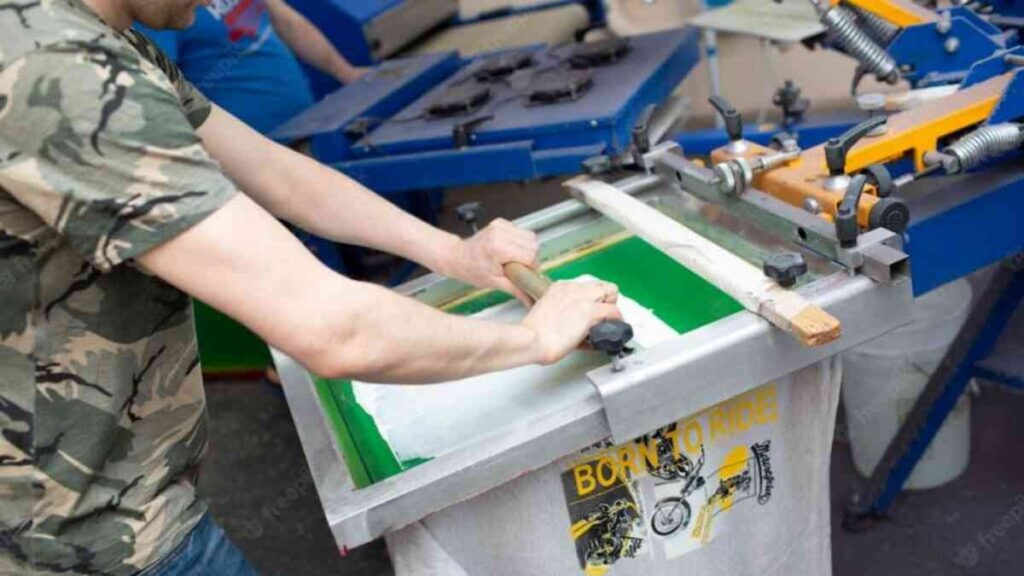
Analicemos las cifras. Un taller típico de gran tamaño que utiliza 1000 galones de tinta al año podría pagar $65 por galón a un distribuidor por una tinta blanca de primera calidad.
- Total del distribuidor: $65,000
- Directamente del fabricante (ECOPRINTINK): $42,000
- Ahorro anual: $23,000
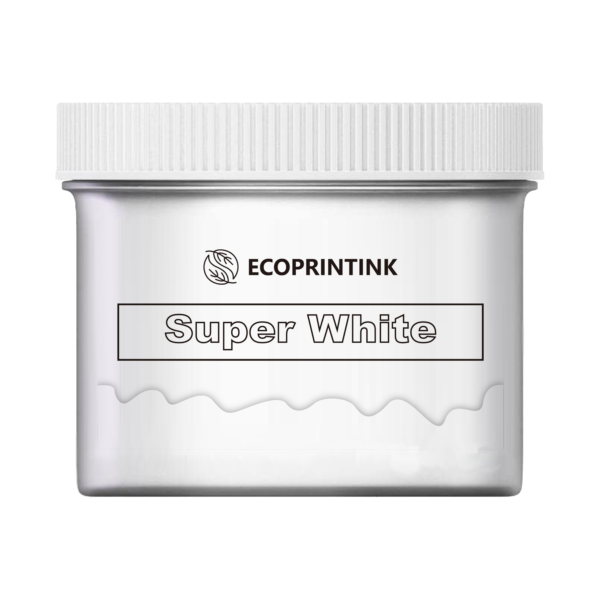
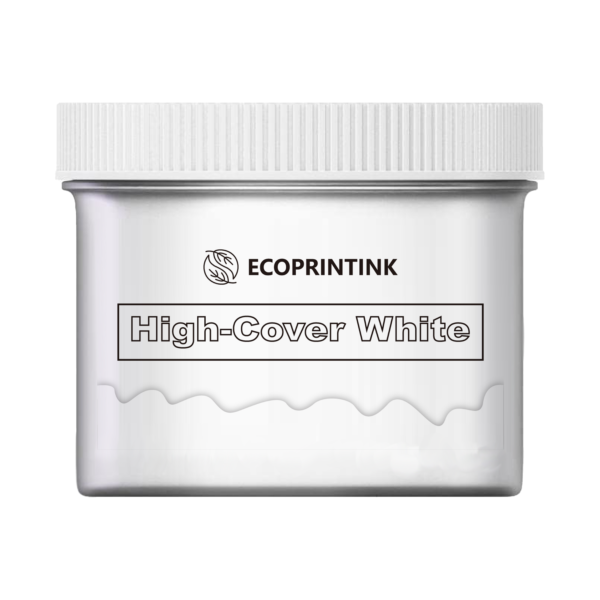
Esos $23,000 son ganancias netas. Cubren el costo de una secadora nueva o el salario de un gerente de tienda. Pero, aún más importante, nuestra tinta plastisol blanca está formulada para permanecer abierta en la pantalla por más tiempo. Esto significa que su equipo dedica menos tiempo a limpiar pantallas y más tiempo a imprimir camisetas.
Cómo empezar (de la manera correcta)
No es necesario que despidas a tu distribuidor mañana. Siempre recomendamos a nuestros nuevos socios B2B que comiencen con una "prueba beta".
- Selecciona tu principal problema: ¿Se trata de migración de tinte en poliéster? ¿Es el costo de su base blanca?
- Solicita un kit de muestra: Proporcionamos cantidades de muestra de nuestra tinta plastisol para serigrafía para que su impresora pueda realizar una prueba de lavado.
- Auditar los resultados: Comprueba el tiempo de secado. Si consigues reducir el tiempo de secado en 1 segundo con nuestra tinta, podrías aumentar tu producción diaria en más de 100 camisetas en una prensa automática.
No solo le vendemos un producto químico; le ofrecemos una línea de producción más rápida. Nuestras soluciones de tinta plastisol se basan en las opiniones de propietarios de talleres que estaban cansados de conformarse con lo "suficientemente bueno" y buscaban la "perfección".
Preguntas frecuentes: Lo que nos preguntan los dueños de grandes tiendas.
P1. ¿El costo de envío desde la fábrica es mayor que el de la entrega local?
De hecho, para pedidos al por mayor (más de 50 galones), utilizamos transporte de carga fraccionada (LTL). Incluso con el envío, el precio por galón es significativamente menor que el precio de "envío gratuito" que ofrecen los distribuidores, el cual ya está incluido en su elevado margen de ganancia.
P2. ¿Pueden igualar los colores específicos de mi marca?
Sí. Ofrecemos un servicio de igualación de color personalizado. Como somos fabricantes, utilizamos espectrofotómetros para garantizar que su color "Rojo Marca" sea exactamente el mismo cada vez que realice un nuevo pedido.
P3. ¿Su tinta es compatible con la impresión húmedo sobre húmedo?
Nuestras fórmulas están diseñadas específicamente para la producción en húmedo sobre húmedo a alta velocidad. Minimizamos la acumulación de residuos en la parte posterior de las pantallas para que pueda trabajar durante más tiempo sin detenerse a limpiar la parte inferior de la malla.
P4. ¿Qué ocurre si necesito un aditivo especial para tejidos elásticos?
Las tenemos integradas o disponibles por separado. Nuestra tinta de serigrafía ecológica se mantiene flexible incluso en spandex y prendas deportivas de alta elasticidad sin agrietarse.
P5. ¿Cómo puedo saber que su tinta está realmente libre de ftalatos?
Proporcionamos un Certificado de Análisis (COA) con cada lote importante. En nuestro laboratorio tenemos una política de "tolerancia cero" porque sabemos que su reputación —y la nuestra— está en juego con cada camisa.
 EN
EN  PT
PT  ES
ES  DE
DE  FR
FR  IT
IT  JA
JA  PL
PL