
Whether you run a bustling print save or are simply curious about the sector of screen printing, understanding plastisol ink is a ought to. This article will guide you via the whole thing you need to know approximately plastisol ink: how it works, why it’s so famous for garment and fabric printing, and the way to perfect your prints using the proper temperatures and additives. We’ll additionally speak approximately low cure plastisol, water-based totally alternatives, transfer techniques, troubleshooting, and the present day traits. If you want colourful colors, longer-lasting prints, and want to outpace your opposition within the screen printing enterprise, this is the piece you’ve been seeking out!
Tabla de contenido
1.What is Plastisol Ink Screen Print and Why is it Essential for Screen Print?
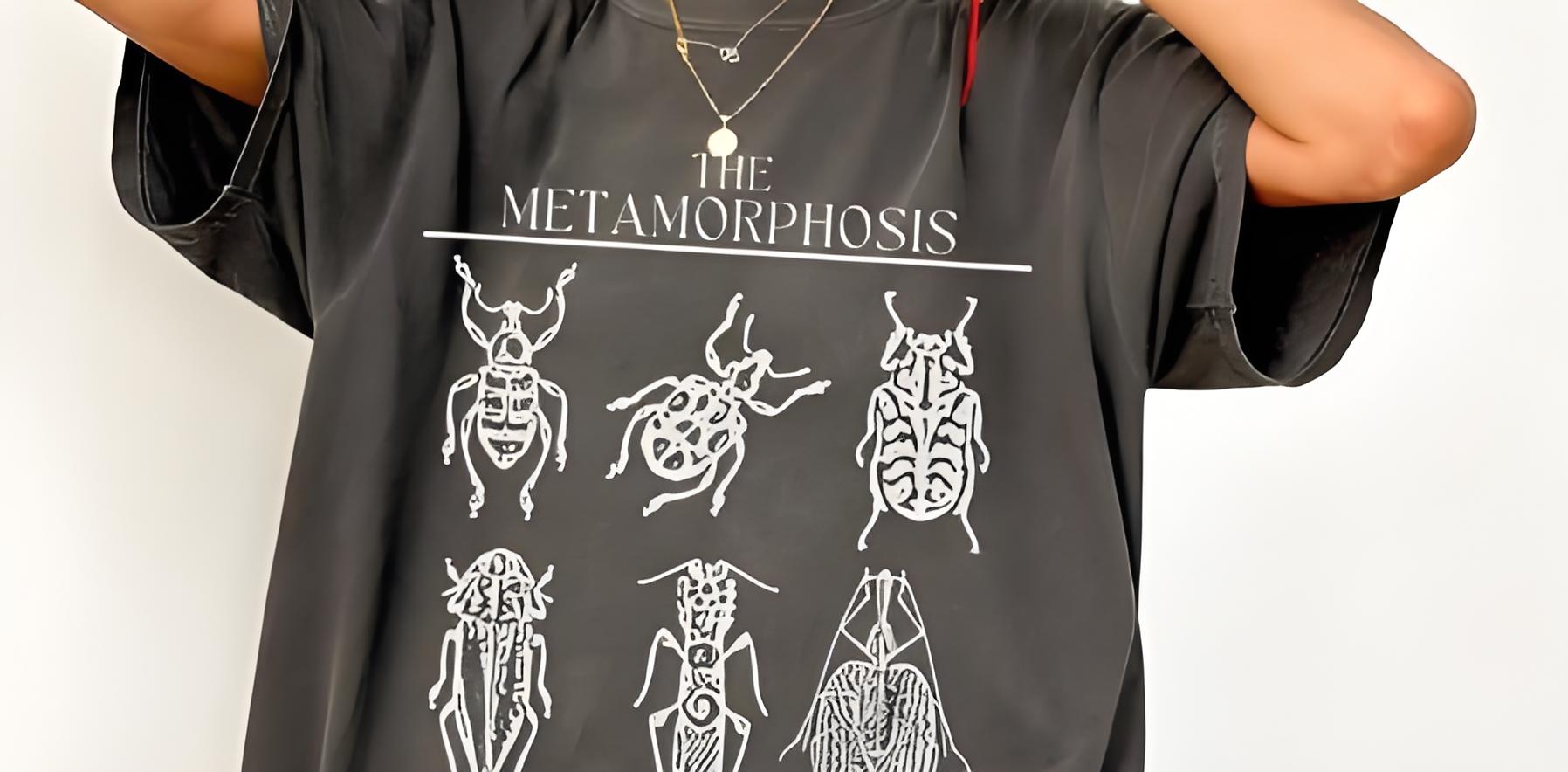
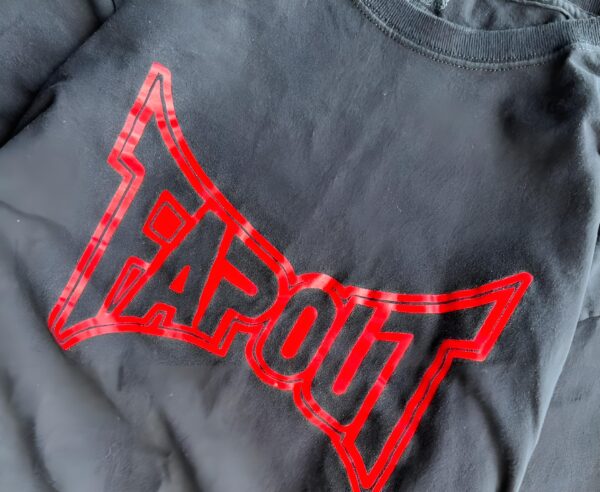
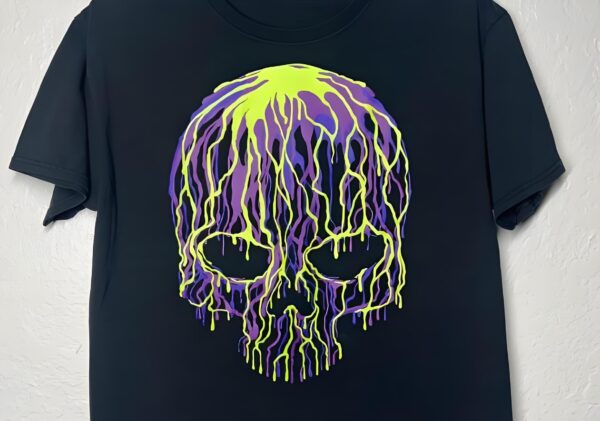
Plastisol ink is at the coronary heart of the display screen printing industry and has been a move-to for print shops, hobbyists, and most important apparel manufacturers alike. It’s a suspension of PVC (polyvinyl chloride) debris in a liquid plasticizer, which makes it specific from water-primarily based ink alternatives. Its potential to take a seat on top of the material—rather than soaking in—makes prints incredibly colourful and sharp. If you’re after bold, shiny designs that simply pop on garments, plastisol screen printing inks are difficult to conquer.
Due to its versatility, plastisol ink may be used for t-shirts, combo fabrics, and polyester garments. It doesn’t air dry, giving the display screen printer plenty of time to paintings on the clicking earlier than committing a print to the curing system. Whether you’re developing puff outcomes, smooth hand feel prints, or tackling a excessive-quantity manufacturing run, information plastisol ink is fundamental to learning the printing procedure.
2.How Does the Print with Plastisol Ink Work?
Screen print with plastisol ink starts with getting ready a screen and stencil—normally with a layout burned into an emulsion on mesh. The ink is unfold over the stencil the use of a squeegee, forcing the plastisol ink simplest via the open regions and onto the garment or material. This ink deposit bureaucracy the body of the layout, sitting in particular at the top of the material, which helps reap colourful colorings and constant opacity.
Printing plastisol calls for the right mesh remember and screen tension, as thicker ink deposits want lower mesh counts, while specified photographs do great with finer mesh. Every screen printer is aware of that the rate and angle of the squeegee, along side properly registered monitors, make all of the distinction. After printing, the ink remains wet—and that is where the importance of curing is available in.
3. Screen Printing Ink Types: Plastisol, Water-Based, and More
When people think about display screen printing ink, plastisol is often what involves mind—however there are several varieties of ink designed for different fabric, consequences, and outcomes. Besides plastisol, water-based inks soak into the fabric for a gentle hand however provide less vibrancy than plastisol on darkish garments. Water-primarily based options include discharge inks, which cast off the dye from garment fibers and replace it with pigment.
For uniqueness programs, you may use puff additives, metallics, or even glow-in-the-darkish inks. Non-phthalate plastisol has emerged and is now commonplace, assisting to lessen environmental and fitness worries by doing away with phthalates. Each type has its very own strengths: water based totally inks offer a slightly-there experience, even as plastisol excels in coloration matching and coverage. The ink needs for your print store rely on your target garment, layout, and client demand.
4. How Do You Properly Cure Plastisol Ink?

Cure is the key to long lasting, flexible prints that last up to the blouse itself. To therapy plastisol, you want to warmth the print to a specific temperature—usually round 320°F (one hundred sixty°C)—so the PVC debris and plasticizer fuse right into a solid shape. This is typically performed with a conveyor dryer or warmness press, however small operations may also use a flash dryer or even a heat gun for touch-ups.
Getting the proper remedy is essential. Under-cured plastisol outcomes in prints that wash out, crack, or peel, whilst over-curing can purpose loss of vibrancy or scorching the garment. Always use a temperature probe or warmness gun to verify that the entire print place reaches the encouraged temperature. Light-colored inks (like white ink) might also require an extended stay time than black ink or darker shades, as they replicate more heat. Learning a way to remedy plastisol ink efficiently is a first-rate a part of any printer’s training.
5. What Are Low Cure Plastisol Inks and When Should You Use Them?
Low cure plastisol is a present day innovation aimed toward addressing troubles with artificial garments like polyester and blends. Traditional plastisol inks may additionally require temperatures that danger dye migration—whilst the garment dye “bleeds” into the ink, inflicting coloration shifts (assume pink stains in white plastisol on red shirts). Low remedy plastisol is designed to therapy at decrease temperatures (as little as 270°F/132°C) to prevent this.
For warmth-sensitive fabric, such as polyester or sure blends, and when running with low bleed performance equipment, low remedy plastisol can be a lifesaver. It reduces the risk of dye migration and garment shrinkage, and it pairs nicely with contemporary conveyor dryers and flash dryers set to decrease temperature profiles. Using the proper ink designed on your substrate makes a large distinction, specially as athletic put on and polyester keep growing in reputation in the display printing enterprise.
6.Transfers and Heat Transfers: How Do They Work with Plastisol Ink Screen Print?
Transfers are a smart twist within the display printing international. Instead of printing directly onto the garment, you print the plastisol ink onto a special transfer paper. After printing, you cure plastisol in part—sometimes referred to as a “gel treatment”—then use a warmness press to switch the design onto cloth at a later degree. Heat transfers provide you with flexibility in production, batch customization, and the capacity to stockpile designs for on-call for prints.
This approach is especially critical for printers who take care of complicated jobs, want to lessen errors, or provide quick-turn customization. Transfers also help attain hard effects, which includes perfect placement on intricate garment sections. With current improvements, even puff or low therapy plastisol inks are getting used for boutique-great transfers and smooth hand retail prints.
7. Ink Mixing, Color Matching, and Mixing Systems for Plastisol Ink Screen Print
Every superb print starts offevolved with the right shade, and that means learning your ink blending machine. Plastisol inks for screen printing are to be had as equipped to be used hues or as components in an ink blending device. This permits creative studios and print shops to formulate custom shades, reap best shade matching, and manage Pantone requests.
Mixing entails combining base inks and pigments—now and again including an additive for stretch or soft hand sense. White plastisol and black ink are frequent bases. Following precise ratios ensures batch-to-batch consistency, even as right mixing removes troubles like streaking or negative insurance. For traumatic jobs, having a properly-prepared ink room, with a blending gadget and strict pleasant exams, is key to handing over excessive-give up effects and repeatable, vibrant shades.
8.Choosing the Right Additive for Performance and Effects (Puff, Soft Hand, and so on.)
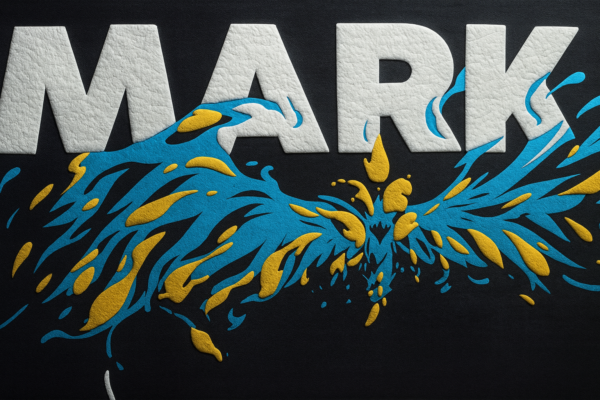
Additives open up a extensive world of results and specialties for garment printers. Want to create a gasp print that rises from the top of the fabric? Add a pant additive on your plastisol ink. Chasing that coveted tender hand experience, despite a thick ink deposit? There are tender-hand additives to be had too.
Stretch components help your print perform on athletic put on, at the same time as low bleed additives are designed to lessen dye migration on polyester. Other options encompass curable reducers to lower ink viscosity or maybe glitter or steel powder. The art is in knowing how a whole lot additive to use to get the visible or tactile first-rate you want without compromising cure or wash durability. Versatility is considered one of the most important reasons plastisol remains a favourite in the printing method.
9.Preventing Dye Migration and Achieving Low Bleed Plastisol Ink Screen Print
Dye migration is the bane of many a display screen printer—especially when working with polyester or brilliant blends. When you therapy plastisol or warmness the fabric, garment dyes can “creep” into light-coloured prints and purpose them to discolor, ruining your crisp white ink. To combat this, ink manufacturers have advanced low bleed plastisol—which includes a chemical barrier to resist dye switch—and occasional cure plastisol, which therapies at decrease temperatures where dye migration isn’t activated.
Proper press approach additionally subjects: don’t permit the dryer get too hot, always pre-take a look at fabric for bleeding, and choose inks designed for synthetics. Sometimes, a gray blocker base under the white plastisol facilitates gain “insurance” in opposition to bleed-via on hard jobs. Knowing a way to formulate, layer, and therapy plastisol places you in advance inside the display screen printing enterprise while running with present day performance clothes.
10. Plastisol Ink Screen Print Troubleshooting: Common Printing Problems and How to Solve Them
Even with the satisfactory great plastisol and all the proper gadget, print problems still show up. Common issues consist of under-cured ink (with a purpose to wash or scrape off), over-cured ink (brittle or discoloring), ghosting (wherein old ink stains new prints), or negative ink deposit (leading to stupid prints). Sometimes, an excessive amount of additive can cause prints to lose stretch or sense rubbery.
The fine defense is proactive pleasant control: often clean your displays and squeegees, take a look at mesh tension, and preserve your conveyor dryer calibrated. Always take a look at-print complicated jobs, and use a warmness gun or temperature strip to affirm that each print reaches the whole therapy. Experienced printers additionally preserve detailed logs and tweak their method until they locate the right stability for every cloth, layout, and customer request. The studying curve is worth it because troubleshooting is where you grasp printing plastisol for any scenario.
Most Important Things to Remember
- Plastisol ink remains the pinnacle preference for display print on clothes and cloth because of its colourful shades, insurance, and simplicity of use.
- Correct therapy (heating) is vital—always make sure your ink deposit reaches the right temperature for lasting consequences.
- Use low treatment plastisol for polyester or blends to prevent dye migration and acquire low bleed prints.
- Master your ink blending gadget for ideal shade matching and bright, prepared for use custom sunglasses.
- Additives allow you to create puff, gentle hand sense, stretch, and distinctiveness effects—but use them wisely.
- Explore warmth transfers for bendy, on-demand printing answers.
- Troubleshoot prints by means of checking mesh, squeegees, dryer temperature, and ink batch consistency.
- Stay up to date on enterprise trends—non-phthalate plastisol, water primarily based options, and eco-friendly solutions are here to stay.
- Know your substrate—exclusive fabric (t-shirts, blends, polyester) want specific ink designed for the activity.
- A proper printer is usually mastering, experimenting, and enhancing—in no way be afraid to try new techniques or products.
Happy printing, and can your subsequent design be the only absolutely everyone recollects!
Q1: Is thermal processing a mandatory requirement for Plastisol Ink stabilization?
A: Yes. Plastisol ink does not possess an air-dry mechanism. Permanent cross-linking and substrate adhesion only occur when the ink film reaches its specific fusion temperature—standardly 320°F (160°C). Failure to reach this thermal threshold will result in total loss of ink adhesion during mechanical laundering.
Q2: What are the primary variables leading to ink film cracking post-laundering?
A: Cracking is typically the result of incomplete polymerization, known as under-curing. While the surface may appear tack-free, the core of the ink deposit remains un-fused, preventing a cohesive bond. Accurate thermal monitoring via infrared pyrometers or thermo-probes is required to ensure the entire ink profile has reached the necessary fusion point.
Q3: How define the function of Low Cure Plastisol Inks in textile processing.
A: Low Cure formulations are engineered to achieve full fusion at reduced thermal energy levels (typically 270°F/132°C). These inks are deployed to mitigate the risk of sublimation (dye migration) in synthetic fibers and to prevent thermal distortion or shrinkage of heat-sensitive polyester and performance blends.
Q4: What methods are utilized to reduce the deposit thickness and tactile feel of Plastisol?
A: The tactile “hand” of a print can be modified through the integration of viscosity reducers or curable soft-hand bases. These additives decrease the ink’s shear stress requirements, allowing for a thinner deposit when utilized with high-mesh count screens (e.g., 230–305 threads per inch), thereby reducing the overall plastic profile.
Q5: What is the mechanism for preventing dye migration on dark-colored synthetic textiles?
A: Dye migration occurs when polyester dyes gasify and permeate the ink layer during heat processing. To counteract this, a Low-Bleed (LB) underbase must be utilized. These inks contain chemical blocking agents designed to intercept and neutralize migrating dye particles before they reach the surface ink layers.

 EN
EN  PT
PT  ES
ES