
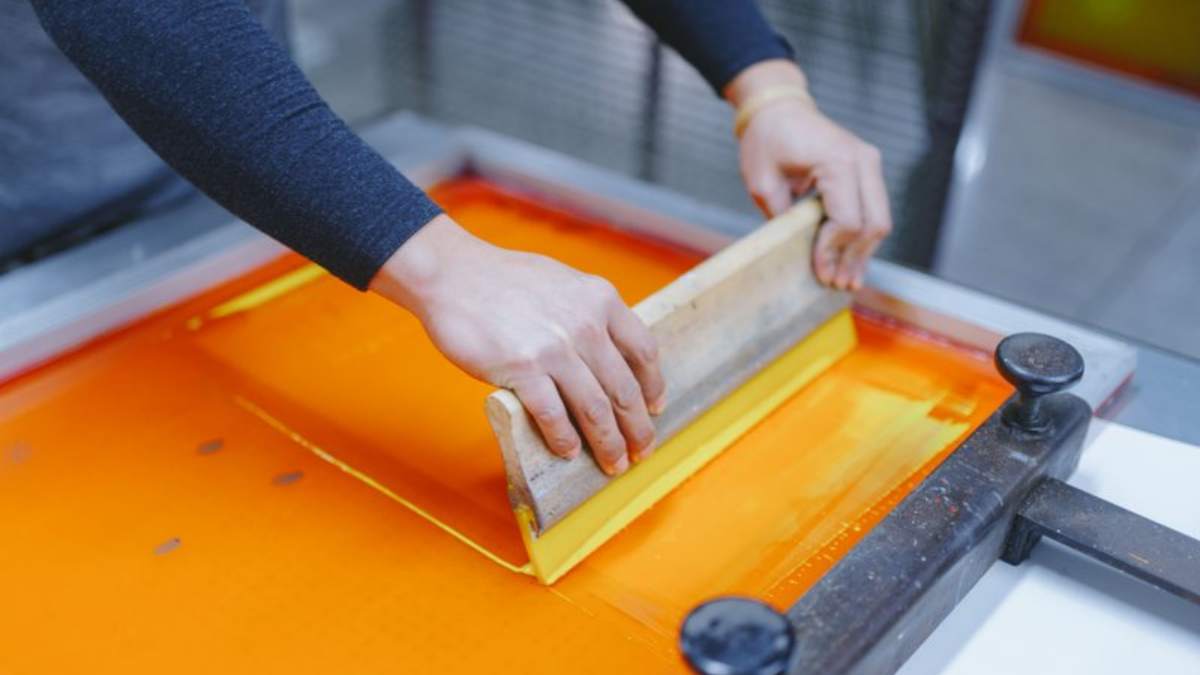
If you want the straight talk: choosing a plastisol ink supplier uk isn’t just about buying a commodity; it’s about choosing your production sanity. When you partner with us at ECOPRINTINK, you aren’t just getting buckets of ink. You’re getting colors that actually stay the same batch-to-batch, a massive drop in your energy bills thanks to low-cure technology, and the peace of mind that you’re fully compliant with UK safety laws. The end result? You stop throwing money away on misprints, you get jobs out the door faster, and your bottom line actually starts looking healthy again.
We’ve been in the trenches. We know what it’s like when a flash cure fails or a “white” ink turns pink on a polyester hoodie. That’s why our approach to tinta de serigrafía uk is built on solving those specific, annoying problems that eat into your profit.
Tabla de contenido
Why the Right “Ink Partner” Changes Everything in the UK Market
The UK market is tough right now. Energy prices are a nightmare, and the climate is so damp it can turn your ink into a thick, unprintable mess overnight. If your current ink takes forever to flash or requires multiple hits to look decent, you’re basically burning cash.
When we talk to printers from Manchester to London, they all say the same thing: “I just want it to work.” Using high-quality tinta plastisol uk means you get a “hit-flash-hit” that clears the mesh perfectly every time.
Our Philosophy: A “cheap” bucket of ink is usually the most expensive thing in your shop. If it takes you twice as long to print a job, the ink wasn’t a bargain—it was a tax on your time.
What You Get When You Work With Us:
- Total Batch Consistency: We stabilize our formulas. The “Bright Red” you bought in January will be the exact same shade in November.
- Safety First: Everything we stock is UK REACH compliant and meets OEKO-TEX® Standard 100. If you’re printing for schools or major retail brands, this is non-negotiable.
- Real Support: We’re solution experts. If you’re seeing dye migration on sports kits, we won’t just sell you more ink; we’ll show you how to optimize plastisol ink drying temperature to prevent fabric sublimation? to fix it for good.
How to Get Started: Pro Tips for Better Prints
Switching to a new plastisol ink supplier uk shouldn’t be stressful. Here is how we help you dial in your production from day one.
1. Pick Your Mesh Wisely
Don’t just use whatever screen is lying around. For our high-opacity whites, a 34T or 43T mesh is the “sweet spot.” If you’re doing fine lines, you’ll want to jump up to a 90T. If you’re stuck, our guide on tips for choosing the right screen printing mesh for high-density inks breaks down exactly what mesh to use for which job.
2. The “Stir Before You Print” Rule
Plastisol is thick in the bucket but gets “creamy” once you work it. It’s a science thing called thixotropy.
Best Practice: Don’t just dump the ink on the screen and start printing. Use a drill mixer for two minutes. This “wakes up” the ink, making it flow better through the mesh and putting less strain on your arms (or your auto-press motors).
3. Watch the Temperature
Most inks need 160°C to cure fully. But because electricity in the UK is so expensive, we’ve developed low-cure options that hit their peak at 135°C. This doesn’t just save money; it stops polyester fabrics from shrinking or scorching.
Solving the “Dye Migration” Headache
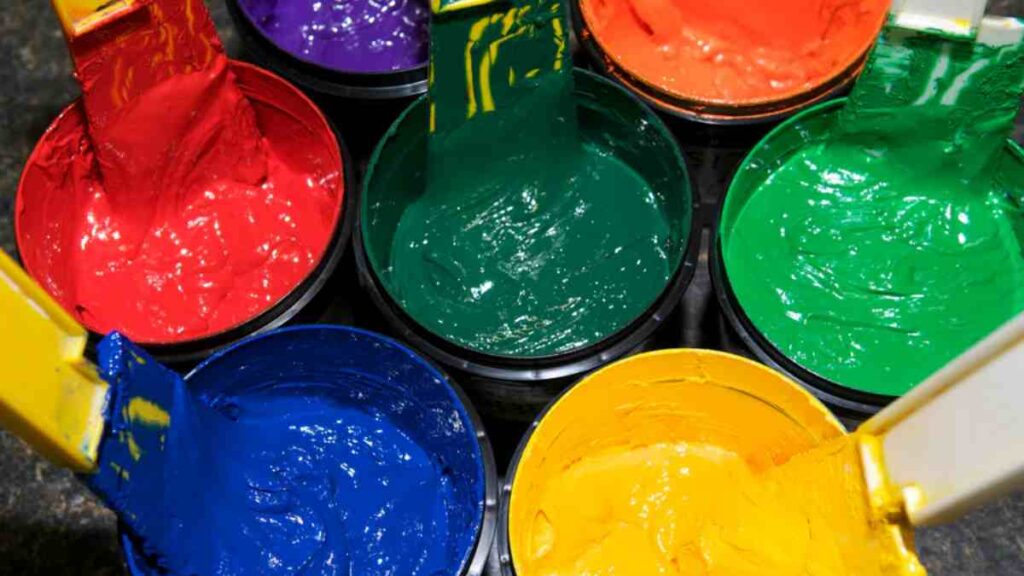
There is nothing worse than printing a perfect white logo on a red hoodie, only to see it turn pink the next morning. This is dye migration, and it’s the bane of every UK printer’s existence.
According to research from Grand View Research, the demand for inks that can handle synthetic fibers is skyrocketing. As fabrics get more “technical,” your ink has to work harder.
The ECOPRINTINK Fix:
We suggest a “Barrier Grey” underbase. It acts like a shield, stopping the gas from the polyester fabric from rising up and staining your white ink. If you’re jumping between a manual press and an automatic, check out our advice on manual vs automatic screen printing machine best ink viscosity matching suggestions to make sure your squeegee pressure isn’t ruining the effect.
Performance Comparison: Budget vs. Premium
| Característica | Generic “Cheap” Ink | ECOPRINTINK Premium Plastisol |
| Opacidad | Requires 3 hits (Slow) | Solid in 2 hits (Fast) |
| Tiempo de Secado | 5-7 Seconds | 2-3 Seconds |
| Cure Temp | Always 165°C | 135°C – 160°C (Flexible) |
| Energy Use | High | Low (Save up to 20%) |
| Seguridad | Questionable | Full UK REACH / Phthalate-free |
By shaving just 2 seconds off every flash, a shop printing 400 shirts a day saves about 13 minutes of “heater-on” time per shift. Over a year, that’s a massive saving. For more tips on keeping the bills down, read how to reduce electricity costs in your screen printing shop.
Real World Case Study: A Leicester Success Story
We worked with a contract printer in Leicester who was losing 10% of every order to “rejects”—cracked prints or colors that bled. They were using a basic screen printing ink uk that just couldn’t handle the new tri-blend fabrics they were sourcing.
We moved them over to our high-performance phthalate-free ink collection and spent an afternoon recalibrating their dryer.
- The Result: Their reject rate fell to under 0.5%.
- The Bonus: Because our ink flashes so fast, they increased their hourly output by 15%. They went from “surviving” to actually making a decent profit on every job.
Best Practice: The “Donut” Test
Don’t trust the temperature gauge on your dryer—they are notoriously wrong. Use a “Donut” probe or a thermal strip to check the actual temperature of the ink film. If that ink doesn’t hit the required temp all the way through, it will crack in the wash, and your phone will start ringing with angry customers.
Why Choose ECOPRINTINK?
We know you have plenty of options for a plastisol ink supplier uk. But we aren’t just here to ship boxes. Whether you need a 1kg sample to test a new fabric or 500kg for a massive contract, we give you the same technical attention.
We stay on top of Avient/Wilflex technical data and other global leaders to make sure our products are world-class. We want to make sure that every time you pull a squeegee, you’re confident in the result.
FAQ: Honest Answers for UK Shop Owners
Q1. Is plastisol still the way to go, or should I switch to water-based?
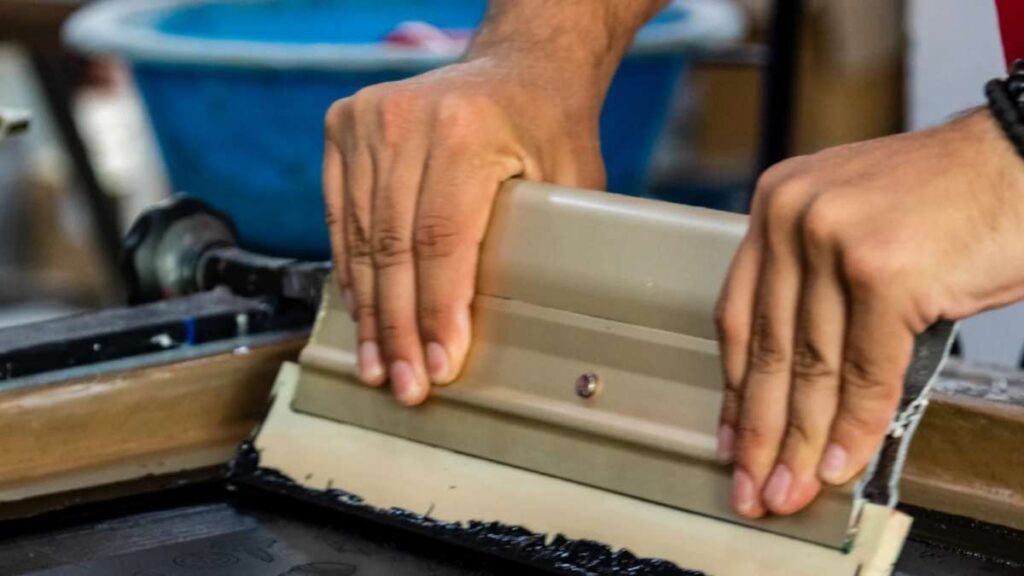
Look, we get asked this every day. Water-based is great for that “eco-vibe,” but if you’re running a busy production line, plastisol is your workhorse. The biggest win? It won’t dry in your mesh. You can literally leave a job on the press, go grab a sandwich, and come back to find it printing as smooth as the first hit. It’s about minimizing downtime and keeping your screens open.
Q2. My prints feel like a “plastic shield.” How do I get that retail-soft feel?
Nobody wants a heavy, “bulletproof” print on a premium tee. If you’re struggling with a thick hand-feel, don’t just thin the ink out with chemicals—that ruins the opacity. Instead, try stirring in some of our specialized soft-hand base. It lets the ink sink into the fibers rather than sitting on top. Also, check your squeegee pressure; sometimes “less is more.”
Q3. Is the ink safe? I’ve got customers asking about “toxic” chemicals.
Safety isn’t just a buzzword for us. In the past, plastisol got a bad rep for phthalates, but those days are gone. Every bucket we ship is 100% phthalate-free and strictly follows UK REACH standards. You can print for baby brands or school uniforms with total peace of mind.
Q4. Can I mix ECOPRINTINK with the leftover buckets from my old supplier?
Technically, you can, but honestly? We wouldn’t recommend it. Different manufacturers use different “recipes.” When you start playing chemist on the shop floor, you risk messing up your curing temperatures or, worse, having the ink peel off after the first wash. If you’re transitioning, we suggest doing a clean break.
Q5. It’s freezing in my warehouse; why is my ink suddenly thick as a brick?
Welcome to a UK winter! Plastisol is sensitive to temperature. If you leave your pails on a cold concrete floor, they’ll stiffen up fast. Before you reach for the reducer, try a “mechanical pre-shear.” Give it a real aggressive stir with a drill mixer for two minutes. Usually, the friction alone warms it up enough to get that creamy consistency back. And for the love of your screens, keep your ink on a shelf, not the floor!

 EN
EN  PT
PT  ES
ES  DE
DE  FR
FR  IT
IT  JA
JA  PL
PL